
 Business License

Cold Room Floor Insulation: Complete Technical Guide for Cold Storage Facilities
A 3°C temperature spike in a Bangkok cold storage facility destroyed $80,000 of frozen seafood in a single afternoon. The compressor was running at full capacity. The wall and ceiling insulation met specification. The failure point was the floor--a concrete slab with inadequate thermal protection that allowed ground heat to penetrate upward, forcing the refrigeration system into continuous overload until it failed.
If you design, build, or maintain cold storage facilities, you already understand that wall and ceiling insulation are non-negotiable. But the floor is where many projects compromise performance. Ground temperature remains relatively stable year-round, typically between 10°C and 15°C in most regions. In a freezer room operating at -25°C, that temperature differential creates a constant heat flow upward through the slab. Without proper cold room floor insulation, this thermal bridge drives up energy costs, risks condensation beneath the slab, and in extreme cases causes frost heave that cracks the foundation.
This guide explains how to specify and install cold room floor insulation and cold storage floor insulation that protects both your product and your structure. We will cover material selection, XPS board specifications, vapor barrier integration, installation sequencing, and cost considerations based on our experience supplying insulation to cold storage projects across 35+ countries.
Why Floor Insulation Is Critical in Cold Rooms
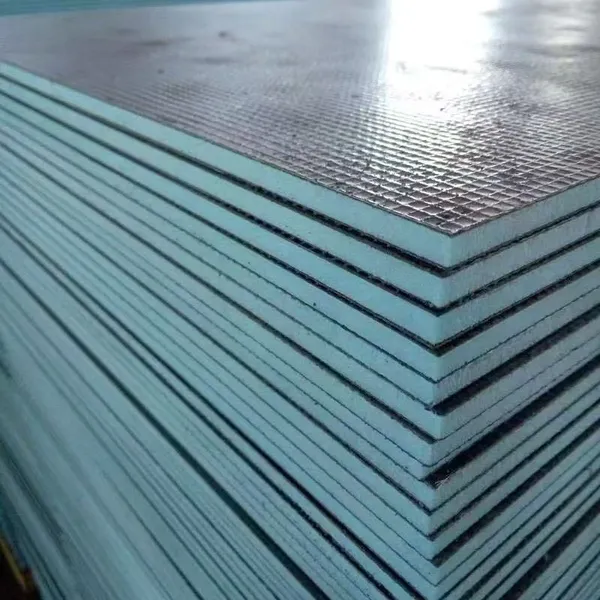
Cold room floor insulation is essential because cold storage facilities lose heat through every building envelope surface. While designers typically specify 100-150 mm of wall and ceiling insulation, the floor often receives less attention--yet it can account for 25-30% of total thermal load in facilities built on heated ground.
The Physics of Ground Heat Ingress
Soil is not a thermal insulator. Even at depths of 1-2 meters, ground temperature in temperate climates hovers between 8°C and 12°C year-round. In tropical regions, it can exceed 20°C. When a freezer room operates at -20°C or below, this temperature differential drives continuous heat flow into the space. The floor assembly must resist this heat flow while also supporting rack loads, forklift traffic, and the weight of stored product. Choosing the right cold room floor insulation material is the first step in managing this thermal load.
The thermal performance of a floor assembly is measured by its U-value (thermal transmittance). A well-designed cold room floor insulation system typically achieves a U-value of 0.20-0.25 W/(m²·K) or lower. Achieving this requires not just insulation thickness but also the right material with low thermal conductivity and adequate compressive strength.
Frost Heave Risk
When soil beneath a freezer floor freezes, moisture in the soil expands. This phenomenon--frost heave--can exert pressures sufficient to crack reinforced concrete slabs, dislocate door frames, and damage refrigeration piping embedded in the floor. Effective cold room floor insulation maintains the soil temperature above freezing, eliminating frost heave risk entirely.
Condensation and Corrosion
If the temperature at the underside of the floor slab drops below the dew point of the soil air, moisture condenses. Over time, this creates a damp environment that corrodes reinforcing steel, degrades the concrete, and can promote mold growth in adjacent spaces. A continuous vapor barrier combined with adequate insulation prevents this condition.
Best Materials for Cold Room Floor Insulation
Not all materials perform equally under the combined demands of cold room floor insulation: low thermal conductivity, high compressive strength, moisture resistance, and long-term dimensional stability.
Material Comparison for Cold Storage Floor Applications
| Property | XPS (Extruded Polystyrene) | PUR/PIR (Polyurethane) | EPS (Expanded Polystyrene) |
|---|---|---|---|
| Thermal conductivity | 0.030-0.038 W/(m·K) | 0.022-0.028 W/(m·K) | 0.035-0.040 W/(m·K) |
| Compressive strength | 200-700 kPa | 150-400 kPa | 100-300 kPa |
| Water absorption | <1% by volume | 2-4% by volume | 2-6% by volume |
| Closed-cell structure | Yes (>90%) | Yes | No (partially) |
| Long-term stability | Excellent | Good (can degrade if wet) | Moderate |
| Fire rating | Class B1/B2 | Class B1/B2 | Class B2 |
| Cost per m³ | Moderate | Higher | Lower |
XPS (Extruded Polystyrene) is the most widely specified material for cold room floor insulation and commercial cold storage floor insulation. Its closed-cell structure provides exceptional moisture resistance, and its high compressive strength (200-700 kPa) allows it to support heavy rack and forklift loads without creep or deformation. While PUR/PIR offers lower thermal conductivity, its sensitivity to moisture and higher cost make XPS the practical choice for most commercial and industrial cold storage applications.
PUR/PIR boards are used where space is constrained and maximum thermal performance per unit thickness is required. However, they require meticulous vapor barrier protection because moisture ingress degrades both thermal performance and structural integrity.
EPS is generally not recommended for cold room floors. Its lower compressive strength and higher water absorption make it unsuitable for load-bearing applications where moisture exposure is likely.
Why XPS Dominates Cold Storage Floor Applications
XPS boards combine the properties that cold storage engineers prioritize:
High compressive strength: Supports static rack loads of 2,000-5,000 kg/m² and dynamic forklift wheel loads
Low moisture absorption: Maintains thermal performance even in damp soil conditions
Dimensional stability: Does not shrink, warp, or settle under long-term load
Freeze-thaw resistance: Unaffected by temperature cycling between -50°C and +75°C
Chemical resistance: Unaffected by common cleaning agents and refrigerants
At DaCheng BangMei, our XPS insulation boards are manufactured at Huaneng Zhongtian's 225,000 m² facility with 5G-enabled quality monitoring that ensures every batch meets the compressive strength and thermal conductivity specifications your cold room floor insulation project requires.
XPS Board Specifications for Cold Room Floors
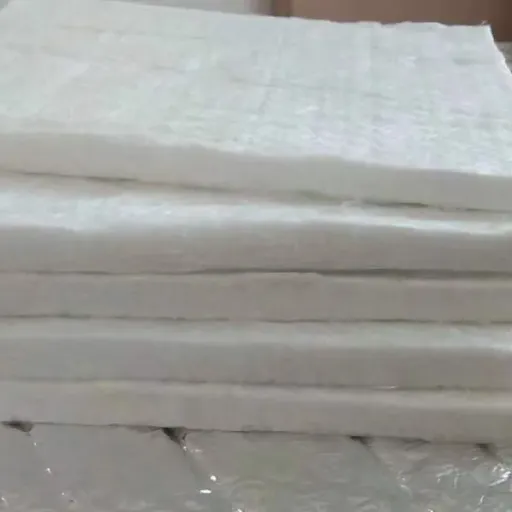
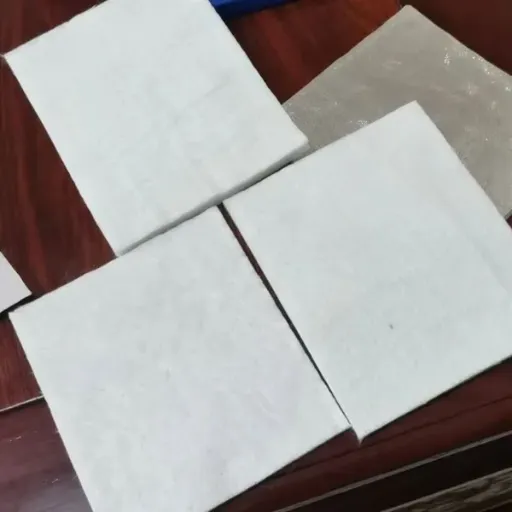
Specifying the right XPS board for cold room floor insulation and freezer room floor insulation requires attention to thickness, compressive strength, and thermal conductivity. The goal is to achieve the target U-value while ensuring the board can support the operational loads of the facility.
Key Specification Parameters
| Parameter | Typical Range | Cold Storage Recommendation |
|---|---|---|
| Thickness | 50-200 mm | 100-150 mm (freezers); 80-120 mm (chill rooms) |
| Compressive strength | 150-700 kPa | ≥300 kPa for rack storage; ≥200 kPa for general use |
| Thermal conductivity | 0.030-0.038 W/(m·K) | ≤0.035 W/(m·K) |
| Density | 28-45 kg/m³ | 32-40 kg/m³ |
| Water absorption | <1.0% by volume | <0.5% by volume (long-term) |
| Dimensional stability | <2% change | <1% at 70°C, 48 hours |
Thickness Selection: The required insulation thickness depends on the target U-value, ground temperature, and room operating temperature. For a freezer room at -25°C in temperate ground conditions (10°C), 120-150 mm of XPS with λ = 0.034 W/(m·K) typically achieves U ≤ 0.22 W/(m²·K). For chill rooms at 0°C to +4°C, 80-100 mm is usually sufficient.
Compressive Strength Selection: Facilities with static pallet racking require XPS rated for at least the rack leg load divided by the foot pad area. Typical pallet racking imposes 2,000-4,000 kg per leg. With a 150 mm × 150 mm foot pad, this equals 90-180 kPa, but safety factors and dynamic loads from forklift traffic typically push the specification to 300 kPa or higher.
Thermal Conductivity: Lower is better. XPS with λ = 0.030-0.034 W/(m·K) provides superior performance. Be cautious of suppliers quoting "initial" thermal conductivity without accounting for long-term aging. Reputable manufacturers provide aged values (typically 90-day aged λ).
Vapor Barrier Requirements
A vapor barrier is essential for any cold room floor insulation system, placed on the warm side of the insulation (below the XPS, between the insulation and the soil or sub-base). Without it, water vapor migrates from the soil into the insulation and condenses at the cold interface. Over months and years, this moisture accumulation degrades thermal performance and can cause ice lens formation beneath the slab.
Common vapor barrier materials include:
Polyethylene sheeting (minimum 0.2 mm thickness, taped seams)
Bituminous coatings applied to the sub-base
Composite membranes with aluminum foil layers
The vapor barrier must be continuous and extend up the edges of the insulation to connect with the wall vapor barrier, creating a complete thermal envelope seal.
Cold Room Floor Installation Best Practices
Proper installation of cold room floor insulation and insulated floor panels cold storage systems is as important as material selection. Even the highest-specification XPS board will underperform if installed with gaps, thermal bridges, or an incomplete vapor barrier.
Standard Floor Assembly Build-Up
Properly installed cold room floor insulation requires a complete assembly. A typical cold room floor assembly from bottom to top consists of:
Compacted sub-grade or granular fill (150-300 mm)
Sand blinding layer (25-50 mm) to protect the vapor barrier
Vapor barrier (0.2 mm polyethylene or equivalent, taped and sealed)
XPS insulation boards (typically 2 layers of 50-75 mm, staggered joints)
Separation layer (polyethylene sheet or building paper)
Reinforced concrete wearing slab (100-150 mm, designed for traffic loads)
Floor finish (epoxy coating, tiles, or stainless steel plates as required)
Critical Installation Details
Staggered Board Joints: When installing XPS in multiple layers, offset the joints between layers by at least 150 mm. This prevents straight-through thermal bridges that compromise performance.
Edge Insulation: Install XPS perimeter strips (typically 20-50 mm thick) at the edge of the floor where it meets the walls. This prevents thermal bridging at the floor-wall junction, one of the most common weak points in cold room envelopes.
Load Distribution: For areas with concentrated rack leg loads, consider installing additional XPS layers or using higher-compressive-strength boards (500-700 kPa) in those zones.
Refrigeration Pipe Penetrations: Where refrigeration pipes pass through the floor, use pre-formed insulation sleeves and seal all gaps with expanding foam or mastic to prevent air and moisture ingress.
Curing Period: Allow the concrete wearing slab to cure fully before loading racks or operating forklifts. Premature loading can crack the slab and compromise the insulation beneath.
Common Cold Room Floor Failures and How to Prevent Them
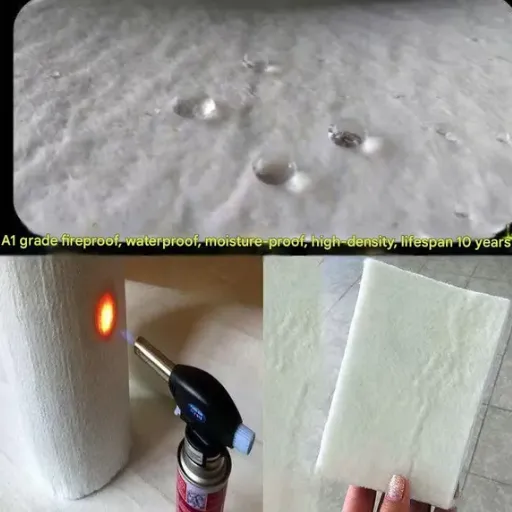
Even experienced contractors sometimes overlook details that lead to expensive cold room floor insulation failures. Here are three scenarios that illustrate the consequences of poor cold room floor insulation design, drawn from ASHRAE guidelines and field experience.
The Bangkok Seafood Facility: Inadequate Thickness
In 2023, a seafood processing facility near Bangkok installed 60 mm of EPS under a -22°C freezer floor as a cheap alternative to proper freezer room floor insulation. Within eight months, ground heat penetration forced the refrigeration compressors to run 40% longer than designed. Energy bills spiked, and when a compressor failed during peak season, the floor slab warmed enough to thaw the underlying soil. The resulting settlement cracked the concrete and required a complete floor replacement--a $120,000 repair that dwarfed the original insulation savings.
The correct specification would have been 120-150 mm of XPS with λ ≤ 0.035 W/(m·K), which our technical team confirmed with a U-value calculation based on local soil temperature data.
The Munich Distribution Center: Missing Vapor Barrier
A logistics contractor in Munich built a multi-chamber cold store with high-quality 150 mm XPS boards but omitted the vapor barrier to accelerate the construction schedule. Within 18 months, moisture accumulation beneath the XPS degraded its thermal conductivity by an estimated 15-20%. Condensation formed on the underside of the concrete slab in the adjacent dispatch area, damaging electrical conduit and creating a slip hazard.
The remediation required cutting access trenches, installing a vapor barrier, and replacing water-damaged insulation sections--work that shut down two chambers for three weeks. The contractor now includes vapor barrier installation as a mandatory milestone with hold-point inspection.
The Jakarta Trading Company's Specification Upgrade
A Jakarta-based building materials distributor, Rudi, had been sourcing cold room floor insulation from a local trading company with inconsistent quality. Batch-to-batch variation in compressive strength meant some boards compressed under rack loads, creating uneven floor surfaces that damaged forklift wheels and created trip hazards.
After switching to factory-direct XPS boards from our Huaneng Zhongtian facility, Rudi received boards with digital batch traceability and consistent 300 kPa compressive strength. The first cold store built with the new XPS floor insulation cold room system showed 18% lower energy consumption compared to his previous project, which he attributed to both the consistent thermal conductivity and the proper 120 mm thickness our engineers recommended based on his -18°C operating temperature.
Cost Considerations and ROI
Investing in quality cold room floor insulation represents 8-12% of total cold storage construction cost, but the right cold room insulation boards directly impact operating costs for the entire life of the facility.
Material Cost vs. Operating Cost
For a 500 m² freezer room floor:
XPS insulation material: 500 m² × 0.12 m × 280−350/m3=280−350/m3=16,800-21,000
Vapor barrier and accessories: $2,000-3,500
Additional concrete slab thickness: $5,000-8,000
Total floor insulation investment: $24,000-32,500
This cold room floor insulation investment typically reduces refrigeration energy consumption by 15-25% compared to an uninsulated or poorly insulated floor. In a facility consuming 200,000 kWh annually at $0.12/kWh, a 20% reduction saves $4,800 per year. The insulation pays for itself in 5-7 years through energy savings alone--before accounting for avoided product loss, equipment wear, and structural repair costs.
Specification Tips for Procurement Teams
When requesting quotations for cold room floor insulation systems, specify:
Exact thickness and compressive strength required--not just "XPS insulation"
Thermal conductivity value (aged, not initial) and test standard (ASTM C518 or EN 12667)
Dimensional tolerance requirements for tight joint fit
Fire rating classification for the project jurisdiction
Delivery schedule coordinated with concrete pour dates
Request test reports and certification copies with your quotation. At DaCheng BangMei, we provide complete documentation including thermal conductivity test reports, compressive strength certificates, and fire classification documentation with every shipment.
Selecting the Right Cold Room Floor Insulation for Your Project
Use this decision framework to specify the optimal cold room floor insulation system:
What is the room operating temperature?
Below -20°C → 150 mm XPS, λ ≤ 0.034 W/(m·K), compressive strength ≥300 kPa
-10°C to -20°C → 120 mm XPS, λ ≤ 0.035 W/(m·K), compressive strength ≥250 kPa
0°C to +4°C (chill room) → 80-100 mm XPS, λ ≤ 0.036 W/(m·K), compressive strength ≥200 kPa
What loads will the floor carry?
Heavy rack storage + forklifts → 300-500 kPa XPS, reinforced concrete slab ≥150 mm
Light storage, manual handling → 200-250 kPa XPS, standard slab thickness
What is the groundwater and soil condition?
High water table → Enhanced vapor barrier (composite membrane), XPS with <0.5% water absorption
Well-drained soil → Standard polyethylene vapor barrier sufficient
What is the project timeline?
Fast-track → Confirm XPS board lead times (typically 2-3 weeks for standard densities)
Standard schedule → Allow time for sub-base preparation and vapor barrier inspection
What certifications does the project require?
International projects → ISO9001 quality system, third-party test reports
FM-insured facilities → FM Approved insulation materials
Green building targets → Environmental product declarations, recycled content documentation
Conclusion
Cold room floor insulation is not an area to cut corners. The floor is a continuous thermal bridge between stable ground temperatures and your controlled cold environment. Properly specified and installed XPS cold room insulation boards--with adequate thickness, compressive strength, and a complete vapor barrier--protect your product, reduce energy consumption, and prevent structural damage from frost heave or moisture degradation. Properly specified and installed XPS insulation--with adequate thickness, compressive strength, and a complete vapor barrier--protects your product, reduces energy consumption, and prevents structural damage from frost heave or moisture degradation.
Key takeaways:
XPS boards are the preferred material for cold room floor insulation due to their compressive strength, moisture resistance, and dimensional stability
Thickness typically ranges from 80 mm for chill rooms to 150 mm for deep freezers
A vapor barrier is mandatory--omission leads to moisture accumulation and performance degradation
Compressive strength must match operational loads; rack storage facilities need ≥300 kPa
Cold room floor insulation investment typically pays back in 5-7 years through energy savings alone
If you are planning a cold storage facility and need help calculating the optimal cold room floor insulation thickness, U-value, or compressive strength for your specific loads and climate conditions, our technical team provides complimentary specification support. We can review your floor plans, calculate heat ingress, and recommend the exact XPS board specification from our certified manufacturing facility.
Ready to specify your cold room floor insulation? Request a custom quote with your room dimensions, operating temperature, and load requirements, or download our XPS technical data sheets for detailed thermal and mechanical performance data.
Recently Posted
-
Insulation for Metal Buildings: Complete Buyer's Guide 2026
June 24, 2026A warehouse manager in Texas watched his electricity bill climb every summer. The metal roof turned the building into a solar oven Read More
 -
Insulation Materials Comparison: How to Select the Right Type for Your Project
June 24, 2026The procurement manager stared at six quotations on her screen. Each supplier recommended a different insulation material for the Read More
 -
Thermal Conductivity of Insulation Materials: A Specifier's Guide
June 24, 2026Ahmed Hassan spent three weeks reconciling quotes for a cold storage expansion in Dubai. One supplier quoted 80 mm rubber-plastic Read More
 -
Basement Insulation Board: Complete Buyer's Guide | DaCheng BangMei
June 24, 2026A homeowner in Michigan finished their basement with standard fiberglass batts and drywall. Two winters later, the bottom plates w Read More

Contact Us
Recommended Products
-
 Eco-Friendly Aluminum Foil Foam Board for Underfloor Heating SolutionsNegotiableMOQ: 100 Pieces
 -
Rubber Plastic Insulation Board Waterproof for Industrial Thermal InsulationNegotiableMOQ: 500 Square Meters
-
Premium Soft Silica Nano Aerogel Felt Sheets for Industrial Heat InsulationNegotiableMOQ: 50 Meters
-
Customizable PVC Magnetic Door Curtain Roll for Home & Kitchen UseNegotiableMOQ: 500 Kilograms
-
XPS Waterproof Board for Underground Garage Moisture BarrierNegotiableMOQ: 50 Square Meters
-
Heavy Duty Titanium Steel Mesh Magnetic Door Curtain With Reinforced EdgesNegotiableMOQ: 10 Pieces
-
Rubber Plastic Insulation Tube for Refrigeration & Cold Storage PipelineNegotiableMOQ: 500 Square Meters
-
Durable Aluminum Dry Floor Heating Panel With High Thermal ConductivityNegotiableMOQ: 100 Pieces
-
Nano Aerogel Felt Insulation Material for Cold Protection and Energy EfficiencyNegotiableMOQ: 50 Meters
-
High-Temperature Nano Silica Aerogel Felt for Pipe Fire and Thermal InsulationNegotiableMOQ: 50 Meters
-
Insulated PVC Magnetic Door Curtain for Thermal Insulation in Bedroom & KitchenNegotiableMOQ: 500 Kilograms
-
Professional Aluminum Foil Foam Board for Dry Underfloor Heating SystemsNegotiableMOQ: 100 Pieces
-
Aluminum Underfloor Heating Module for Commercial and Residential UseNegotiableMOQ: 100 Pieces
-
XPS Waterproof Board 10mm Thickness for Roofing InsulationNegotiableMOQ: 50 Square Meters
-
Custom Size Titanium Steel Mesh Magnetic Door Curtain for Warehouse Pest ControlNegotiableMOQ: 10 Pieces
-
Flame Retardant Thermal Insulation Sponge for Rubber & Plastic Pipes - Fireproof Factory DirectNegotiableMOQ: 500 Square Meters
-
Cold Insulation Rubber Plastic Board for HVAC and Industrial Pipeline ApplicationsNegotiableMOQ: 500 Square Meters
-
20mm XPS Thermal Insulation Panel for Dry Underfloor Heating SystemsNegotiableMOQ: 100 Pieces
-
High Temperature Resistant Foam Insulation Tube for Air Conditioner DuctsNegotiableMOQ: 500 Meters
-
XPS Tile Backer Board Waterproof Insulation for Wall & BathroomNegotiableMOQ: 500 Square Meters