
 Business License

Basement Insulation Board: Complete Buyer's Guide | DaCheng BangMei
A homeowner in Michigan finished their basement with standard fiberglass batts and drywall. Two winters later, the bottom plates were black, the insulation was soggy, and the musty smell never went away. The contractor who fixed it didn't start with new drywall. He started with the right basement insulation board.
Below-grade spaces punish the wrong insulation choice. Basements sit against soil that stays cold and damp year-round. They face hydrostatic pressure, capillary moisture, and temperature differences that create condensation on interior surfaces.
A basement insulation board must do more than slow heat transfer. It must resist water absorption, support structural loads, and meet fire codes. It also needs to stay stable in conditions that would degrade other materials.
At DaCheng BangMei, we manufacture XPS boards, rock wool, rubber-plastic, and aerogel insulation for below-grade and building envelope insulation applications. This guide explains how to choose the right basement insulation board for your project, whether you're finishing a residential basement or specifying insulation for a commercial foundation.
What Is a Basement Insulation Board?
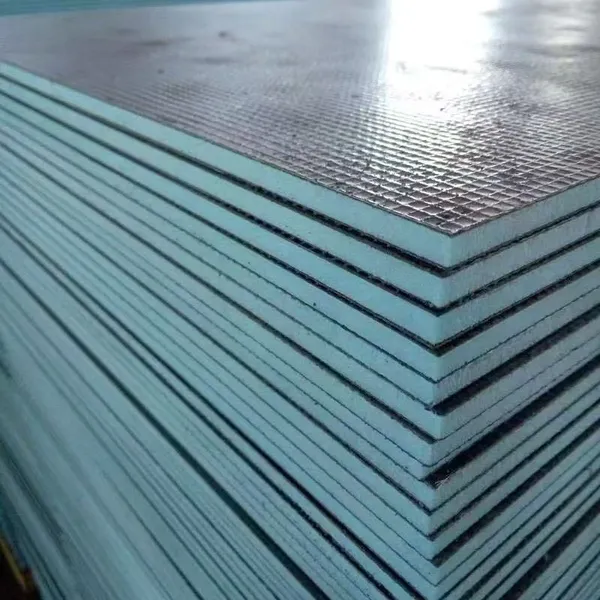
A basement insulation board is a rigid panel installed on basement walls, floors, or perimeter foundations to reduce heat loss and control moisture migration. Unlike batt insulation, which can absorb water and compress over time, a basement insulation board is designed to resist bulk water. It supports finishing materials and maintains its thermal performance in damp conditions.
The most common rigid foam board basement materials are extruded polystyrene (XPS), expanded polystyrene (EPS), and polyisocyanurate (polyiso). Each performs differently below grade.
XPS is widely preferred for basements because of its low water absorption and high compressive strength. EPS is a lower-cost alternative for below-grade walls where loads are light. Polyiso is generally avoided in ground-contact applications because its performance drops when exposed to moisture.
Why Basements Need Specialized Insulation
Basements are not like above-grade walls. They sit partially or fully below the soil line, which creates a unique set of conditions that standard insulation cannot handle.
Moisture exposure: Soil moisture, groundwater, and capillary wicking introduce water against foundation walls. Fiberglass and cellulose absorb this water, lose R-value, and support mold growth. A basement insulation board made from closed-cell foam resists bulk water absorption.
Temperature differential: In winter, warm interior air meets cold foundation walls. Without continuous insulation, this temperature difference creates condensation on the interior surface. Rigid foam boards keep the warm-side surface above the dew point, reducing condensation risk.
Structural contact: Basement insulation must support finishing systems such as framed walls, plywood subfloors, or plaster finishes. Low-density insulation can compress or deform under these loads.
Code requirements: Many jurisdictions require a fire-rated thermal barrier between foam insulation and living spaces. This affects which basement insulation board products can be used without additional protection.
Types of Basement Insulation Boards
XPS Extruded Polystyrene Boards
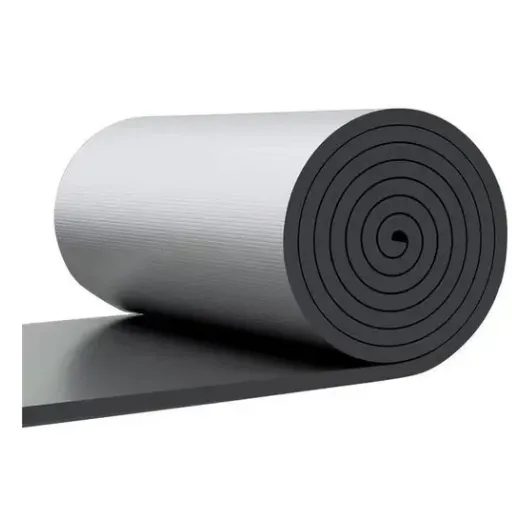
XPS is the most common basement insulation board for residential and commercial below-grade work. It is manufactured through an extrusion process that creates a uniform closed-cell structure with excellent moisture resistance.
Key advantages of XPS for basements include:
Low water absorption, typically below 1% by volume
Compressive strength from 150 kPa to 700 kPa depending on grade
Stable R-value of R-4.5 to R-5.0 per inch
Resistance to mold and mildew growth
Long-term dimensional stability under load
DaCheng BangMei produces XPS waterproof insulation boards for foundation and basement work. With compressive strengths up to 700 kPa and a closed-cell structure, these boards handle backfill pressure and subfloor loads better than standard foam. Learn more about our XPS insulation boards.
EPS Expanded Polystyrene Boards
EPS is a lower-cost basement insulation board option made from expanded polystyrene beads. It offers R-values of R-3.6 to R-4.2 per inch depending on density, with classifications defined in ASTM C578. EPS basement insulation can perform well in below-grade walls when protected from sustained water contact.
EPS absorbs slightly more water than XPS over long-term ground contact, so it is best used in well-drained soils with proper waterproofing and drainage boards. Graphite-enhanced EPS can improve R-value to R-4.5 to R-4.8 per inch while maintaining affordability.
For budget-sensitive projects with good drainage, EPS is a viable basement insulation board. For wet or poorly drained sites, XPS is the safer long-term choice.
Polyiso Boards
Polyiso offers the highest R-value per inch of the common rigid foam boards, typically R-6.0 to R-6.5 at 75°F as tested under ASTM C1289. However, it is generally not recommended as a basement insulation board.
The reasons are straightforward. Polyiso absorbs more water than XPS or EPS when exposed to sustained moisture. Its R-value also declines at lower temperatures, which is exactly the condition found against a basement wall in winter. Most building science guidance limits polyiso to above-grade applications. For a deeper comparison of these two materials, see our guide to polyiso vs EPS insulation.
Rock Wool Boards
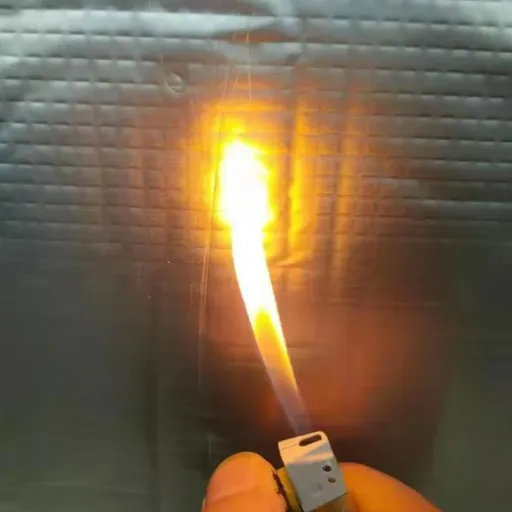
Rock wool is a non-combustible mineral fiber board with an A1 or A2 fire rating. It does not provide the same moisture resistance as closed-cell foam, but it is the right basement insulation board when fire codes require non-combustible materials.
Rock wool can be used on interior basement walls where a thermal barrier is required. It's also a good choice where space allows for thicker insulation. Rock wool is useful in commercial and multi-family buildings where code officials reject foam without extensive fire protection. DaCheng BangMei supplies rock wool boards with densities from 40 to 200 kg/m³ for these applications.
How to Choose the Right Basement Insulation Board
Selecting a basement insulation board starts with understanding the site conditions and the assembly design. Use this framework to narrow the options.
| Factor | XPS | EPS | Polyiso | Rock Wool |
|---|---|---|---|---|
| Water resistance | Excellent | Good | Poor | Fair |
| Compressive strength | 150-700 kPa | 70-350 kPa | 140-410 kPa | 10-80 kPa |
| R-value per inch | R-4.5-R-5.0 | R-3.6-R-4.2 | R-6.0-R-6.5 | R-3.0-R-4.0 |
| Fire rating without barrier | Combustible | Combustible | Better than EPS | Non-combustible |
| Cost | Moderate | Low | Moderate-High | Moderate |
| Best use | Wet basements, floors | Drained walls, budgets | Above-grade only | Fire-rated assemblies |
Assess Moisture Conditions
The first question is whether the basement will stay dry. If the site has a high water table, poor drainage, or a history of seepage, XPS is the clear choice. Its closed-cell structure resists bulk water absorption far better than EPS or polyiso.
A waterproofing membrane or dampproofing should still go on the exterior foundation wall. Interior drainage boards and sump systems add further protection. Even the best basement insulation board can't fix active water intrusion.
Calculate Load Requirements
For basement floors and under-slab work, compressive strength matters. XPS boards rated at 300 kPa or higher can support residential and light commercial floor loads. High-density XPS grades up to 700 kPa handle podium decks, parking garages, and industrial floors.
For framed basement walls that only support drywall, lower compressive strength is acceptable. EPS at 100-150 kPa can work in these applications if moisture exposure is limited.
Check Fire Code Requirements
Most building codes require foam plastic insulation in basements to be separated from living spaces by an approved thermal barrier, typically 1/2-inch gypsum board. This applies to XPS, EPS, and polyiso.
In some jurisdictions, exceptions allow foam insulation below grade or behind masonry to remain exposed if it is not part of the habitable space. Always verify local amendments to the IRC basement insulation code before installation. For more on fire ratings, see our guide to global fire safety standards.
For projects where non-combustible insulation is required, rock wool is the appropriate below-grade insulation board choice.
Moisture Control Strategies for Basement Insulation Boards
Water management separates successful basement insulation from future remediation. A basement insulation board must be part of a complete moisture-control strategy.
Exterior Waterproofing
The best defense is keeping water away from the foundation. Exterior waterproofing membranes, drainage boards, and perimeter drain pipes reduce hydrostatic pressure and direct groundwater away from basement walls.
Interior Vapor Management
In cold climates, warm humid interior air can condense against the cold foundation wall. A continuous basement insulation board interrupts this thermal bridge and keeps the interior surface of the insulation above the dew point.
The placement of the vapor barrier depends on climate. In heating-dominated climates, it typically goes on the warm interior side. In mixed climates, a smart vapor retarder or airtight drywall approach may work better. Consult a local building scientist or engineer for the correct strategy.
Capillary Breaks
A capillary break between the foundation wall and the sill plate, as well as under the basement slab, prevents moisture from wicking upward into the framed structure. Rigid foam boards at the slab edge provide both insulation and a capillary break.
Basement Insulation Board Installation Best Practices
Proper installation affects real-world performance more than the rated R-value of the board itself. Follow these guidelines for walls and floors.
Wall Installation
Clean the foundation wall of loose material, efflorescence, and standing water.
Apply a waterproofing or dampproofing coating to the exterior or interior surface as required.
Cut basement insulation boards to fit tightly between the slab and the underside of floor joists.
Use masonry-compatible adhesive or mechanical fasteners designed for foam insulation.
Tape all seams with compatible foam board tape to reduce air leakage.
Install a thermal barrier such as gypsum board over the insulation where required by code.
Floor Installation
Remove debris and level the existing slab or subbase.
Install a vapor barrier over bare soil or broken concrete if no capillary break exists.
Lay XPS basement insulation boards in a staggered pattern with edges butted tightly.
Tape seams to prevent air movement and soil gas entry.
Install a plywood or cement-board subfloor over the insulation for finished flooring.
Air Sealing
Rigid foam boards are not air barriers by themselves. Seams, edges, and penetrations must be sealed with foam, tape, or gasket material. Air leakage through basement assemblies can account for a significant portion of total building heat loss.
Mini-Story: The Walkout Basement in Colorado
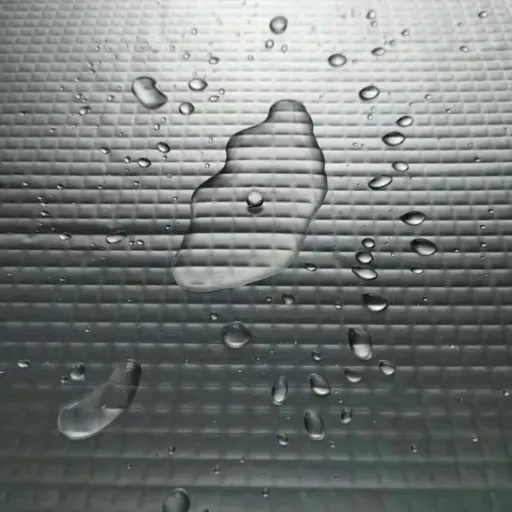
In 2023, a contractor in Denver finished a walkout basement for a mountain home. The owner wanted to keep costs down and suggested EPS boards for the walls. The soil on the uphill side stayed damp year-round, and spring runoff occasionally seeped through the foundation.
Within 18 months, the EPS on the damp wall absorbed enough moisture to stain the finished drywall. The contractor returned and removed the damaged finishes. He replaced the EPS with XPS boards rated at 250 kPa. A drainage mat was added to the exterior, and the interior seams were sealed with foam tape. The repair cost more than three times the original insulation budget. The contractor now specifies XPS as the basement insulation board for any site with a history of moisture.
Cost Considerations for Basement Insulation Boards
Cost per board foot is only part of the equation. The installed cost of a basement insulation board depends on material, labor, accessories, and the potential cost of failure.
XPS costs more per board foot than EPS but requires fewer callbacks in damp conditions. Its higher compressive strength also reduces the risk of compression under floor loads.
EPS offers the lowest initial material cost. It works well in dry, drained basements but carries higher long-term risk in wet conditions.
Rock wool costs more than foam per unit of R-value but eliminates the need for a separate thermal barrier in some fire-rated assemblies. This can reduce overall finishing costs.
When comparing options, include the cost of waterproofing, drainage, fasteners, adhesive, tape, and the required thermal barrier. A lower-cost basement insulation board can become the more expensive choice if it leads to moisture damage or code rejection.
Common Mistakes When Using Basement Insulation Boards
Even experienced contractors make mistakes with below-grade insulation. Avoid these common errors.
Using the wrong board for the moisture condition: EPS and polyiso fail quickly in wet basements. Match the basement insulation board to the actual site conditions, not just the budget.
Skipping the thermal barrier: Exposed foam insulation in habitable basements violates most fire codes. Plan for gypsum board or an equivalent thermal barrier from the start.
Ignoring air sealing: Unsealed seams allow warm interior air to reach cold surfaces, causing condensation. Tape every seam and seal edges to the slab and framing.
Installing against wet walls: No basement insulation board will perform well if water is actively entering the assembly. Fix drainage and waterproofing first.
Compressing the insulation: Heavy framing or improperly installed subfloors can compress low-density boards. Select a compressive strength that matches the load.
Code Compliance and Fire Safety
Basement insulation must comply with local building codes, which typically reference the International Residential Code (IRC) or International Building Code (IBC). Key requirements include:
Foam plastic insulation must be separated from occupied spaces by an approved thermal barrier.
Exposed foam in unfinished storage areas may be allowed in some jurisdictions with limits on area and ignition barriers.
Insulation on the interior of basement walls must be protected from physical damage.
Crawl spaces and utility rooms often have additional fire separation requirements.
For the most current code language, consult the IRC basement insulation code or your local building official. When in doubt, specify a non-combustible basement insulation board such as rock wool.
Environmental and Health Considerations
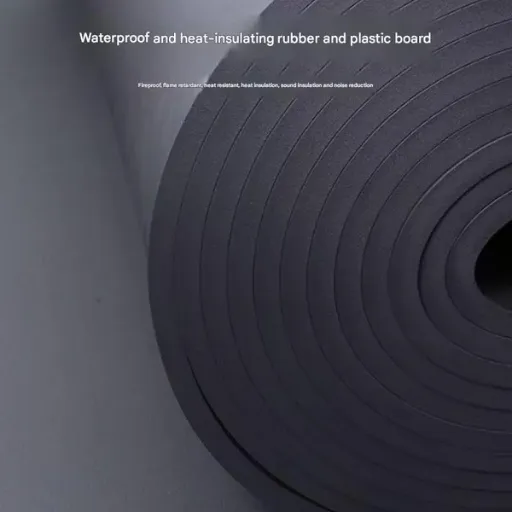
Modern basement insulation boards have improved environmental profiles, but buyers should still understand the trade-offs.
XPS traditionally used blowing agents with high global warming potential. Many manufacturers have shifted to lower-GWP alternatives, but the exact formulation varies by supplier. XPS is not widely recycled at end of life.
EPS is recyclable in some regions and is often made with recycled content. Graphite-enhanced versions reduce the polymer needed per unit of R-value.
Rock wool is manufactured from natural basalt and recycled steel slag. It is non-combustible and does not off-gas. For projects prioritizing sustainability and indoor air quality, rock wool is a strong basement insulation board option.
DaCheng BangMei Basement Insulation Solutions
DaCheng BangMei manufactures several insulation products suitable for basement and below-grade applications.
XPS Waterproof Insulation Boards
Our XPS insulation boards are designed for foundation walls, under-slab work, and below-grade perimeter applications. With compressive strengths from 150 kPa to 700 kPa and low water absorption, they provide the moisture resistance basements need. They also handle the load capacity required for floors and backfill conditions.
Rock Wool Boards for Fire-Rated Basements
For basements in multi-family, commercial, or code-sensitive buildings, our rock wool boards deliver non-combustible A1-rated insulation. They're available in densities from 40 to 200 kg/m³. Use them for fire barriers, mechanical rooms, and utility spaces.
Custom Sizing and Technical Support
DaCheng BangMei offers custom dimensions, densities, and facings for basement insulation board orders. Our technical team provides complimentary U-value calculations and condensation risk analysis. We also offer specification guidance for your project. Contact our engineers for recommendations, or request a custom quote for your next basement project.
A Decision Framework: Selecting Your Basement Insulation Board
Use these questions to choose the right basement insulation board for your project:
Is the basement dry or damp?
Dry and well-drained → EPS or XPS
Damp or wet → XPS only
Will the board support a floor load?
Yes → XPS at 250 kPa or higher
No → EPS or XPS wall boards
Is a fire-rated thermal barrier required?
Yes, and gypsum is acceptable → Any foam with proper barrier
Non-combustible required → Rock wool
What is the available wall thickness?
Limited → Higher-density XPS or graphite EPS for better R-value per inch
Flexible → Standard XPS or rock wool
What is the budget priority?
Lowest initial cost → EPS
Lowest lifecycle cost → XPS
Fire safety priority → Rock wool
Still unsure which basement insulation board fits your conditions? Our engineers can review your site details and recommend the right material and thickness. Contact our technical team for a free consultation.
Best Basement Insulation Board by Application
This quick-reference table matches the board type to the most common basement conditions:
| Application | Best Board | Why |
|---|---|---|
| Wet basement walls | XPS | Low water absorption and high compressive strength |
| Dry, drained walls | EPS or graphite EPS | Lower cost with adequate moisture resistance |
| Under-slab floors | High-density XPS (300+ kPa) | Carries floor loads without compression |
| Fire-rated assembly | Rock wool | Non-combustible A1/A2 rating |
| Rim joists and band joists | XPS or rock wool | Fits tight spaces and seals air leaks |
| Cold-climate foundation | XPS or graphite EPS | Stable R-value in below-grade temperatures |
Recommended Basement Insulation Board Thickness by Climate Zone
The right thickness depends on local code, heating degree days, and the target R-value. These ranges are typical for full basement wall insulation:
| Climate Zone | Target Wall R-Value | XPS Thickness | EPS Thickness | Rock Wool Thickness |
|---|---|---|---|---|
| Zone 1-2 (warm) | R-5 to R-10 | 1-2 inches | 2-3 inches | 2-3 inches |
| Zone 3-4 (mixed) | R-10 to R-15 | 2-3 inches | 3-4 inches | 3-4 inches |
| Zone 5-6 (cold) | R-15 to R-20 | 3-4 inches | 4-5 inches | 4-5 inches |
| Zone 7+ (very cold) | R-20+ | 4-5 inches | 5-6 inches | 5-6 inches |
Always verify the required R-value against local energy code or the IRC basement insulation code.
Basement Insulation Board FAQ
Can you use fiberglass batts in a basement?
Fiberglass batts are not recommended against basement walls. They absorb moisture, lose R-value, and support mold growth when damp. A rigid basement insulation board is the better choice for below-grade conditions.
Is XPS or EPS better for basement insulation?
XPS is better for damp basements because it absorbs less water and handles higher compressive loads. EPS is acceptable for dry, well-drained basement walls at a lower cost. For wet or uncertain conditions, XPS is the safer basement insulation board.
Do basement insulation boards need a vapor barrier?
It depends on climate and assembly design. In heating-dominated climates, a vapor barrier often goes on the warm interior side. In mixed climates, a smart vapor retarder may be preferable. The basement insulation board itself reduces condensation risk by keeping the warm-side surface above the dew point.
Can basement insulation boards get moldy?
Closed-cell foam boards such as XPS and EPS resist mold growth because they do not absorb water. However, mold can form on organic dust or debris on the surface if the assembly stays damp. Proper waterproofing and air sealing prevent this.
What is the best R-value for basement insulation?
The best R-value depends on climate zone and local code. Most codes require R-10 to R-15 for basement walls in mixed climates and R-15 to R-20 or higher in cold climates. A waterproof insulation board such as XPS helps achieve these targets in less thickness.
Can you install basement insulation boards yourself?
Yes. Rigid foam boards are lightweight and easy to cut with a utility knife. Homeowners can install them against basement walls and floors, but they must follow local code requirements for thermal barriers, fire protection, and vapor management.
Conclusion
Choosing the right basement insulation board means matching the material to the moisture conditions, structural loads, fire code, and budget of the project. XPS is the most reliable choice for wet basements and below-grade floors. EPS works in dry, drained conditions at a lower cost. Rock wool is the right choice when non-combustible performance is required.
Key takeaways for selecting a basement insulation board:
Use XPS for damp basements, foundation walls, and under-slab insulation.
Use EPS for dry, well-drained basement walls where budget is the primary concern.
Avoid polyiso below grade because of its moisture sensitivity.
Use rock wool when fire codes require non-combustible insulation.
Always combine the insulation board with proper waterproofing, drainage, air sealing, and thermal barriers.
If you're planning a basement insulation project, DaCheng BangMei can help you select the right board and thickness for your climate and building assembly. Our engineers provide building envelope insulation support, thermal calculations, and factory-direct pricing.
Recently Posted
-
Insulation for Metal Buildings: Complete Buyer's Guide 2026
June 24, 2026A warehouse manager in Texas watched his electricity bill climb every summer. The metal roof turned the building into a solar oven Read More
 -
Insulation Materials Comparison: How to Select the Right Type for Your Project
June 24, 2026The procurement manager stared at six quotations on her screen. Each supplier recommended a different insulation material for the Read More
 -
Thermal Conductivity of Insulation Materials: A Specifier's Guide
June 24, 2026Ahmed Hassan spent three weeks reconciling quotes for a cold storage expansion in Dubai. One supplier quoted 80 mm rubber-plastic Read More
 -
Insulation Under Concrete Slab: A Complete Specification and Installation Guide
June 24, 2026The warehouse floor in Calgary looked perfect on opening day. Polished concrete, level, and built to handle forklift traffic. With Read More

Contact Us
Recommended Products
-
 Eco-Friendly Aluminum Foil Foam Board for Underfloor Heating SolutionsNegotiableMOQ: 100 Pieces
 -
Rubber Plastic Insulation Board Waterproof for Industrial Thermal InsulationNegotiableMOQ: 500 Square Meters
-
Premium Soft Silica Nano Aerogel Felt Sheets for Industrial Heat InsulationNegotiableMOQ: 50 Meters
-
Customizable PVC Magnetic Door Curtain Roll for Home & Kitchen UseNegotiableMOQ: 500 Kilograms
-
XPS Waterproof Board for Underground Garage Moisture BarrierNegotiableMOQ: 50 Square Meters
-
Heavy Duty Titanium Steel Mesh Magnetic Door Curtain With Reinforced EdgesNegotiableMOQ: 10 Pieces
-
Rubber Plastic Insulation Tube for Refrigeration & Cold Storage PipelineNegotiableMOQ: 500 Square Meters
-
Durable Aluminum Dry Floor Heating Panel With High Thermal ConductivityNegotiableMOQ: 100 Pieces
-
Nano Aerogel Felt Insulation Material for Cold Protection and Energy EfficiencyNegotiableMOQ: 50 Meters
-
High-Temperature Nano Silica Aerogel Felt for Pipe Fire and Thermal InsulationNegotiableMOQ: 50 Meters
-
Insulated PVC Magnetic Door Curtain for Thermal Insulation in Bedroom & KitchenNegotiableMOQ: 500 Kilograms
-
Professional Aluminum Foil Foam Board for Dry Underfloor Heating SystemsNegotiableMOQ: 100 Pieces
-
Aluminum Underfloor Heating Module for Commercial and Residential UseNegotiableMOQ: 100 Pieces
-
XPS Waterproof Board 10mm Thickness for Roofing InsulationNegotiableMOQ: 50 Square Meters
-
Custom Size Titanium Steel Mesh Magnetic Door Curtain for Warehouse Pest ControlNegotiableMOQ: 10 Pieces
-
Flame Retardant Thermal Insulation Sponge for Rubber & Plastic Pipes - Fireproof Factory DirectNegotiableMOQ: 500 Square Meters
-
Cold Insulation Rubber Plastic Board for HVAC and Industrial Pipeline ApplicationsNegotiableMOQ: 500 Square Meters
-
20mm XPS Thermal Insulation Panel for Dry Underfloor Heating SystemsNegotiableMOQ: 100 Pieces
-
High Temperature Resistant Foam Insulation Tube for Air Conditioner DuctsNegotiableMOQ: 500 Meters
-
XPS Tile Backer Board Waterproof Insulation for Wall & BathroomNegotiableMOQ: 500 Square Meters