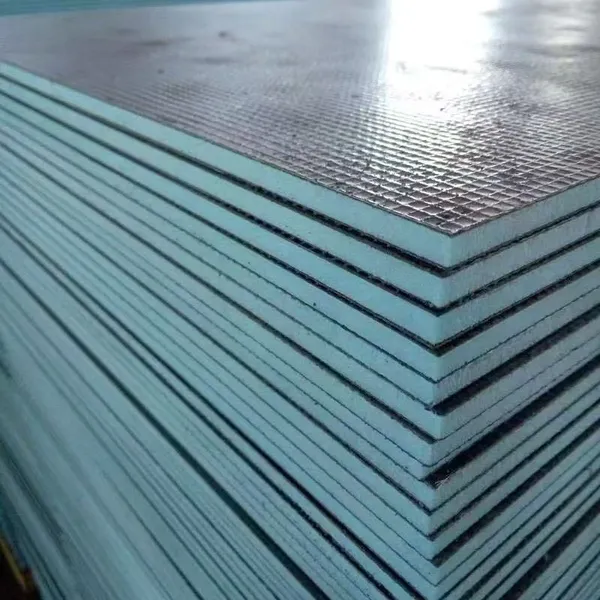

 Business License

Insulation for Metal Buildings: Complete Buyer's Guide 2026
A warehouse manager in Texas watched his electricity bill climb every summer. The metal roof turned the building into a solar oven, and the air conditioning ran non-stop. When he finally pulled back the ceiling panels, he found thin fiberglass batts sagging between the purlins.
The real problem wasn't the HVAC system. It was the wrong insulation for metal buildings.
Metal buildings are structurally efficient. Thermally, they create unique challenges. Steel panels conduct heat rapidly. Roof surfaces can reach 70°C under direct sun in summer and drop below freezing at night in winter.
Condensation forms when warm, humid air contacts cold interior metal surfaces. Without the right insulation system, energy costs, corrosion, and comfort problems follow.
At DaCheng BangMei, we supply rock wool, XPS, rubber-plastic, and aerogel insulation to contractors and industrial buyers worldwide. This guide explains how to choose the right insulation for metal buildings based on climate, building use, code requirements, and budget.
What Is Insulation for Metal Buildings?
Insulation for metal buildings is any thermal barrier installed in the roof, walls, or foundation of a steel-framed structure. It reduces heat transfer, controls condensation, and improves energy efficiency. Because metal is highly conductive, the insulation must address radiant heat gain, air leakage, and moisture control at the same time.
Common insulation for metal buildings includes fiberglass batts, reflective foil insulation, rock wool boards, spray foam, rigid XPS boards, and rubber-plastic insulation for conditioned spaces or mechanical areas. Each option performs differently against the three main metal building problems: conductive heat loss, radiant heat gain, and condensation.
Why Metal Buildings Need Specialized Insulation
Metal buildings behave differently from wood or masonry structures in three important ways.
High thermal conductivity: Steel panels and purlins transfer heat quickly. In summer, the roof radiates heat into the space. In winter, interior warmth escapes through the same path. Without continuous insulation, the envelope acts like a heat exchanger.
Large air leakage paths: Metal panels are not airtight. Seams, fasteners, and penetrations allow air movement. Air leakage can account for more heat loss than conduction through the panels.
Condensation risk: On cold nights or during temperature swings, the interior surface of metal panels can drop below the dew point. Moisture collects on the underside of the roof. It drips onto equipment and creates corrosion over time. Insulation for metal buildings must keep the interior surface warm enough to prevent this.
Types of Insulation for Metal Buildings
Fiberglass Insulation
Fiberglass is the most common insulation for metal buildings because of its low cost and ease of installation. It comes in rolls or batts designed to fit between purlins and girts, often with a facing that acts as a vapor retarder.
Advantages of fiberglass include:
Low material cost
Easy to cut and fit between framing
Available with facing for vapor control
Wide supplier availability
Disadvantages include sagging over time, moisture absorption if the facing is damaged, and difficulty achieving continuous coverage at purlin interruptions. For cost-sensitive storage buildings in dry climates, fiberglass is often sufficient. For conditioned or humid spaces, other insulation types may perform better.
Reflective Foil Insulation
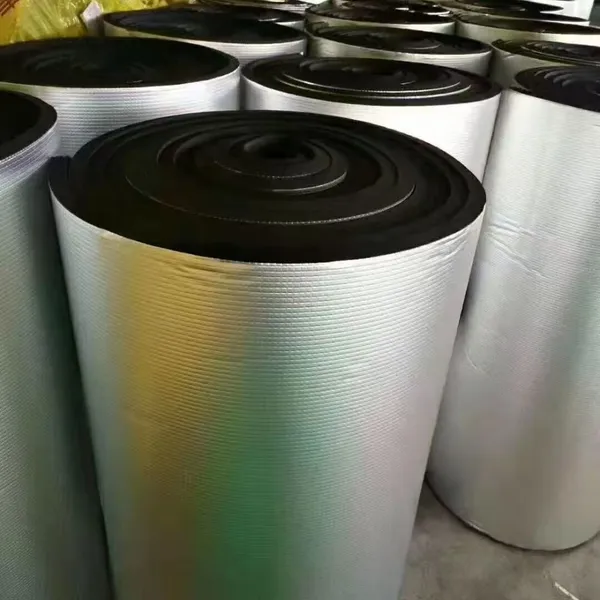
Reflective insulation, also called radiant barrier, works by reflecting radiant heat rather than absorbing it. It is typically installed under the roof panels of metal buildings in hot climates to reduce summer heat gain.
This type of insulation is most effective in warm, sunny climates where radiant heat dominates. It does not provide much conductive insulation on its own, so it is often combined with fiberglass or foam. Reflective foil is lightweight, easy to install, and works well in agricultural and warehouse buildings where cooling is the primary concern.
Rock Wool Board Insulation
Rock wool is a non-combustible mineral fiber board. It provides fire resistance, thermal performance, and acoustic absorption. It is an excellent insulation choice for metal buildings where fire rating, durability, or sound control matters.
DaCheng BangMei supplies rock wool boards with densities from 40 to 200 kg/m³, thermal conductivity ≤0.040 W/(m·K), and service temperatures up to 650°C. Rock wool does not absorb water. It will not sag, and it provides a stable insulation layer for the life of the building. It is ideal for commercial steel buildings, industrial facilities, and any metal building where fire code requires non-combustible insulation.
Rigid Foam Board Insulation
Rigid foam boards, including XPS and polyiso, provide high R-value per inch and continuous insulation without sagging. They are a strong choice for rigid board metal building insulation where space is limited or where high thermal performance is needed.
XPS boards from DaCheng BangMei offer compressive strengths from 150 to 700 kPa. They provide stable R-values of R-4.5 to R-5.0 per inch. They resist moisture and can be installed on the interior of metal walls or roofs with proper fastening.
Polyiso offers higher R-value per inch. It should be avoided in applications where it may be exposed to prolonged moisture.
Spray Foam Insulation
Spray polyurethane foam creates an airtight, continuous insulation layer. It expands into gaps and seams. It is one of the most effective options for metal buildings when air sealing and thermal bridging reduction are priorities.
The downsides are higher cost, professional installation requirements, and the need for a thermal barrier or ignition barrier in most code applications. Spray foam is best suited for conditioned metal buildings where long-term energy savings justify the upfront investment.
Rubber-Plastic Insulation
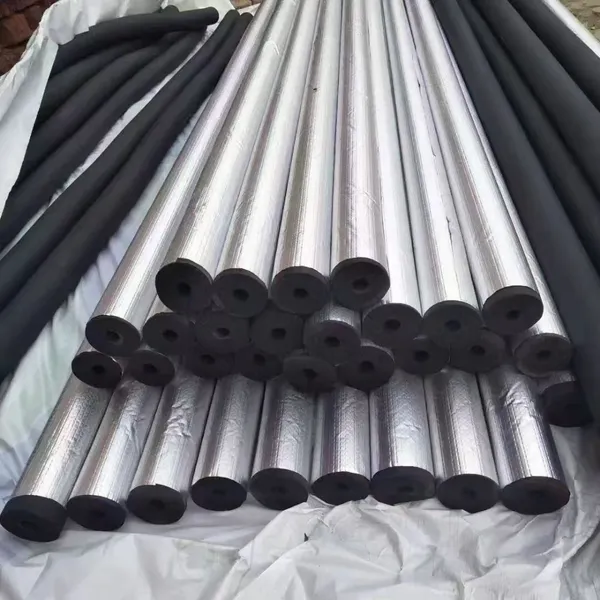
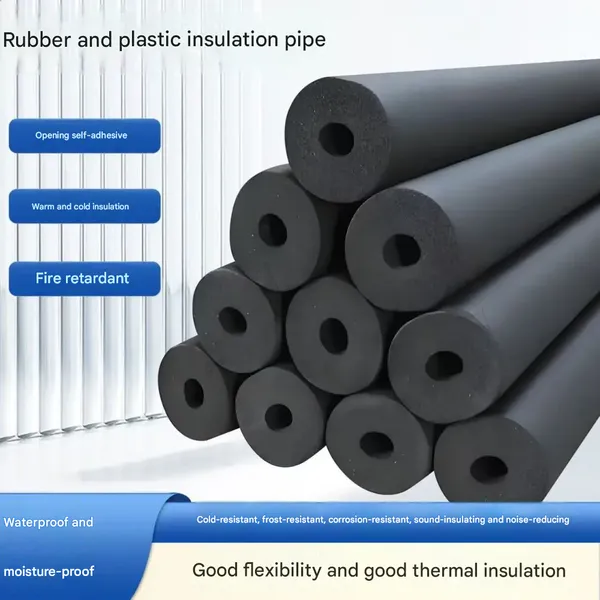
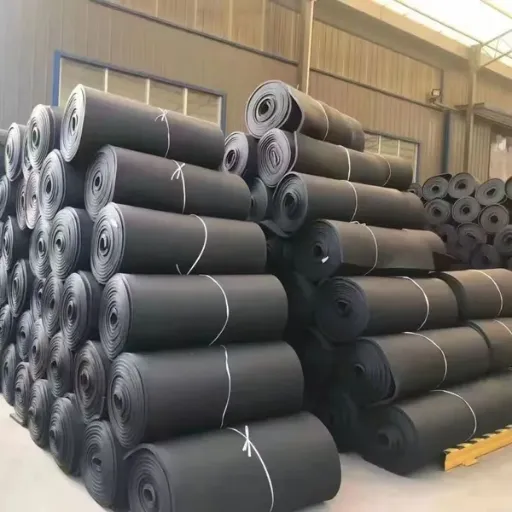
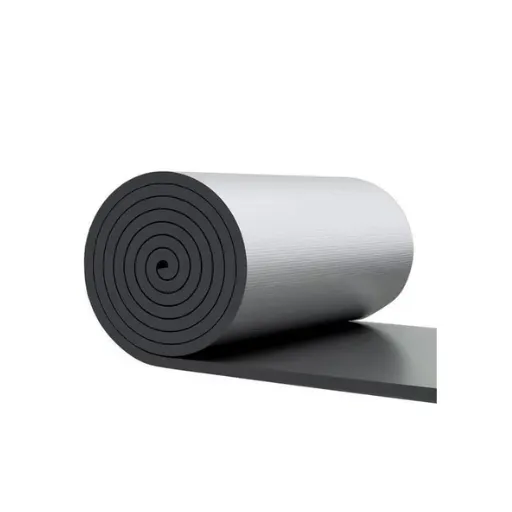
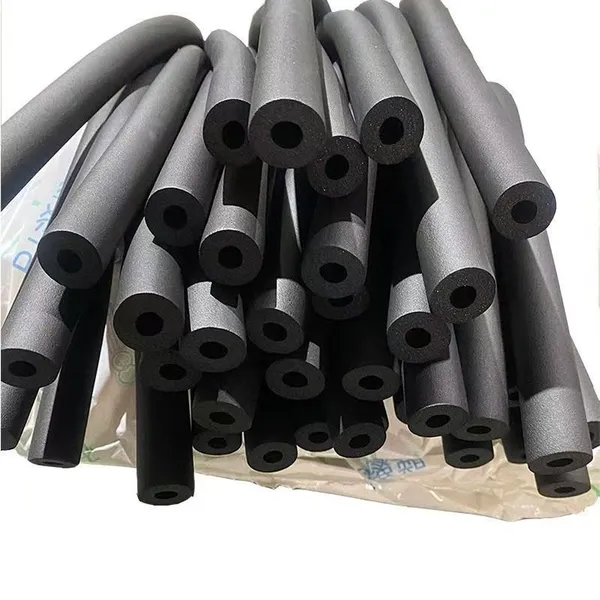
Rubber-plastic insulation is a closed-cell elastomeric foam used for ductwork, pipes, and equipment inside metal buildings. While it is not used as primary wall or roof insulation, it is an important part of a complete insulation strategy.
DaCheng BangMei manufactures rubber-plastic insulation with thermal conductivity as low as 0.034 W/(m·K) and Class B1 flame retardancy. It is ideal for HVAC systems, chilled water lines, and mechanical equipment inside metal buildings. It prevents condensation on cold surfaces and is easy to install around complex shapes.
Comparing Insulation for Metal Buildings
| Insulation Type | R-Value per Inch | Best For | Fire Rating | Moisture Resistance | Cost |
|---|---|---|---|---|---|
| Fiberglass | R-3.0-R-3.7 | Budget walls and roofs | Combustible | Low if facing damaged | Low |
| Reflective foil | Minimal | Hot climates, radiant heat | Non-combustible | High | Low |
| Rock wool | R-3.0-R-4.0 | Fire-rated, durable assemblies | Non-combustible A1 | High | Moderate |
| XPS rigid board | R-4.5-R-5.0 | High-performance continuous insulation | Combustible | High | Moderate |
| Polyiso | R-6.0-R-6.5 | Above-grade roof insulation | Better than XPS | Low | Moderate-High |
| Spray foam | R-5.5-R-6.5 | Air sealing, complex geometry | Combustible | High | High |
How to Choose the Right Insulation for Metal Buildings
Consider the Building's Use
The function of the building determines the performance required.
Unconditioned storage or agricultural buildings: Fiberglass with reflective foil or standalone reflective insulation may be enough to reduce radiant heat and moderate temperature swings.
Conditioned offices or retail spaces: A higher-performance assembly with continuous insulation, air sealing, and a vapor retarder is needed. Rock wool, XPS, or spray foam are common choices.
Industrial facilities with high heat: Rock wool is the preferred choice because it handles high service temperatures and provides fire protection.
Cold storage or food processing: Closed-cell spray foam or rigid XPS combined with vapor barriers provides the low thermal conductivity and moisture resistance these spaces need.
Match Insulation to Climate Zone
Climate affects whether heat gain, heat loss, or condensation is the dominant problem.
Hot climates: Reflective insulation reduces radiant heat gain from the roof. Combine it with fiberglass or rigid foam for conductive insulation.
Cold climates: Thick continuous insulation such as XPS or rock wool prevents heat loss and keeps interior panel surfaces above the dew point.
Mixed climates: A balanced assembly with both radiant and conductive insulation, plus careful air sealing, works best.
The IECC commercial energy code and ASHRAE 90.1 provide prescriptive R-value requirements by climate zone. Always verify local amendments before specifying insulation. Codes change by region, so check with your local building department.
Evaluate Fire Safety Requirements
Metal buildings used for commercial, industrial, or public occupancy often require non-combustible insulation or a rated thermal barrier. Rock wool is the natural choice because it carries an A1 or A2 fire rating and does not contribute to flame spread.
Foam insulation, including XPS, polyiso, and spray foam, is combustible and must be separated from occupied spaces by an approved thermal barrier such as gypsum board in most jurisdictions. When fire rating is a priority, rock wool is the safest insulation for metal buildings.
Think About Installation Practicality
Some insulation types are faster to install than others. Fiberglass batts fit quickly between purlins but leave thermal bridges. Spray foam requires specialized equipment and contractors. Rigid boards need secure fastening and seam sealing. Rock wool boards can be cut to fit and mechanically fastened with pins or clips.
Labor cost and schedule often influence the choice as much as material cost. A slightly more expensive insulation that installs faster and lasts longer may reduce total project cost.
Steel Building Insulation: What Makes It Different
Steel building insulation faces the same challenges as insulation for metal buildings: thermal conductivity, air leakage, and condensation. The term "steel building insulation" is often used interchangeably with metal building insulation, especially in North American markets where steel framing dominates.
The same product categories apply. Fiberglass batts remain common for cost-sensitive steel buildings. Rock wool is preferred for fire-rated assemblies. XPS and polyiso boards provide continuous insulation for high-performance envelopes. Spray foam offers the best air sealing but at the highest cost.
For buyers searching specifically for steel building insulation, the key specifications to verify are R-value per inch, fire rating, compressive strength for roof applications, and compatibility with the steel framing spacing. DaCheng BangMei supplies rock wool, XPS, and rubber-plastic products suitable for both metal and steel building insulation projects.
How to Install Insulation in a Metal Building
Installation quality has as much impact on performance as the insulation itself. Follow these general steps for roof and wall applications.
Roof Installation
Inspect the roof panels and repair any leaks or corrosion before installing insulation.
For batts, roll out insulation perpendicular to the purlins and cut to fit between supports.
For rigid boards, install boards above the purlins with mechanical fasteners or adhesive approved for the substrate.
Tape all seams and seal edges to create a continuous insulation layer.
Install a vapor retarder or interior liner panel where required by code.
Wall Installation
Clean girts and remove protrusions that could compress the insulation.
Install batts between girts with the facing toward the conditioned interior in cold climates.
For continuous insulation, attach XPS or rock wool boards to the interior side of the girts.
Seal penetrations for electrical, plumbing, and HVAC with compatible foam or tape.
Foundation Edge
Excavate the slab edge to the required depth if installing exterior perimeter insulation.
Attach XPS insulation boards to the foundation wall with waterproof adhesive or mechanical fasteners.
Backfill carefully to avoid damaging the boards.
Always follow the insulation manufacturer's installation instructions and local code requirements for thermal barriers and fire protection.
Retrofit Insulation for Existing Metal Buildings
Many existing metal buildings were built with minimal or degraded insulation. Retrofit options include adding a new insulated liner system, spraying foam under the roof panels, or installing rigid boards on the interior walls.
Retrofit projects must address existing moisture damage before adding new insulation. A thorough inspection of panel corrosion, fastener leaks, and existing condensation problems should come first. Upgrading insulation without fixing leaks traps moisture and accelerates damage.
For retrofit steel building insulation, rock wool boards and closed-cell spray foam are popular because they can be installed from the interior without removing the roof panels.
Moisture and Condensation Control in Metal Buildings
Condensation is one of the most expensive problems in metal buildings. It causes rust on steel panels. It also leads to mold on insulation and damage to equipment and inventory. Controlling it requires a complete strategy, not just a single insulation product.
Vapor Retarders and Air Barriers
A vapor retarder slows moisture movement through the insulation assembly. An air barrier stops air leakage that carries moisture with it. In metal buildings, air sealing is often more important than vapor retarders because most moisture problems come from air leakage, not vapor diffusion.
Interior Liner Systems
Many metal buildings use a metal or fabric interior liner panel below the insulation. This liner protects the insulation, improves appearance, and acts as an air barrier when sealed properly. The insulation must be selected to work with the liner system.
Roof Slope and Drainage
Standing water on a metal roof increases the risk of leaks and accelerates corrosion. Proper roof slope and drainage protect the insulation from becoming saturated. Even water-resistant insulation such as XPS or rock wool will fail if water repeatedly enters the assembly.
Insulation for Metal Buildings by Application
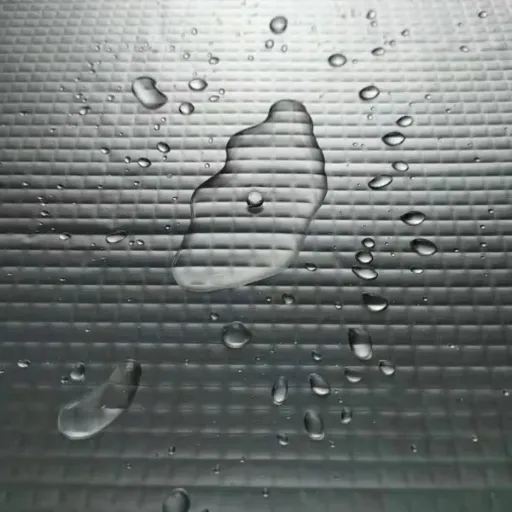
Roof Insulation
The roof receives the most solar exposure and is the largest source of heat gain or loss. Common roof insulation for metal buildings includes fiberglass batts with reflective facing, rigid polyiso boards above the purlins, or a combination of both.
Standing seam metal roofs with continuous insulation above the purlins perform better than compressed fiberglass between purlins because they eliminate thermal bridging through the steel members.
Wall Insulation
Wall insulation for metal buildings typically uses fiberglass batts between girts with a vapor retarder facing. For higher performance, XPS or rock wool boards can be installed on the interior side of the girts to create a continuous insulation layer.
Foundation and Perimeter Insulation
The base of metal buildings often needs insulation where the slab meets the ground. XPS insulation boards at the slab perimeter provide both insulation and a capillary break.
Mechanical and Equipment Insulation
HVAC ducts, chilled water pipes, and refrigeration equipment inside metal buildings require separate insulation. Rubber-plastic insulation is the standard choice for these systems. It prevents condensation on cold surfaces and is easy to install around complex shapes.
Case Study: Metal Building Roof Insulation Upgrade in Arizona
In 2022, a logistics company built a 12,000-square-meter distribution center near Phoenix. The design team specified standard fiberglass batts with a white facing between the roof purlins to control cost. During the first summer, interior temperatures reached 38°C even with air conditioning running at full capacity. Workers complained, and the energy bill was 40% over forecast.
An energy auditor found that the fiberglass had compressed at the purlins. This created direct thermal bridges. The white facing reflected some light but did little to stop conductive heat gain. The facility manager replaced the roof insulation with rigid polyiso boards above the purlins and added a reflective radiant barrier below. Interior peak temperatures dropped by 6°C. Summer cooling costs fell by nearly 30%. The lesson: the cheapest insulation for metal buildings is rarely the most cost-effective over the building's life.
Code Compliance and Energy Standards
Metal building insulation must comply with local energy codes and fire safety regulations. The most commonly referenced standards include:
ASHRAE 90.1: Energy standard for commercial buildings
IECC commercial energy code: International Energy Conservation Code
MBMA metal building manual: Metal Building Manufacturers Association design guidance
Local fire codes for thermal barriers and fire-rated assemblies
Always confirm the required R-value, vapor retarder class, and fire rating with the local authority having jurisdiction before finalizing insulation. Requirements vary by region and building occupancy.
Cost Considerations
The total cost of insulation includes materials, labor, accessories, and the long-term cost of energy and maintenance.
Fiberglass has the lowest upfront cost but may sag, absorb moisture, and require replacement sooner.
Reflective foil is inexpensive and reduces radiant heat but provides limited conductive R-value.
Rock wool costs more than fiberglass but offers durability, fire resistance, and stable performance over decades.
Rigid foam such as XPS or polyiso provides high R-value per inch but requires additional fire protection in most occupancies.
Spray foam has the highest installed cost but delivers superior air sealing and thermal performance.
When comparing options, calculate the total cost over the expected building life rather than focusing only on the initial bid.
Common Mistakes When Insulating Metal Buildings
Avoid these frequent errors when selecting and installing insulation for metal buildings.
Compressing fiberglass at purlins: Compressed insulation loses R-value and creates thermal bridges. Use rigid boards or properly sized batts.
Ignoring air sealing: Air leakage carries more heat and moisture than many owners realize. Seal panel seams, penetrations, and the perimeter of the building.
Skipping the vapor retarder in humid climates: Without a vapor retarder, warm humid air can reach cold metal surfaces and condense.
Using the wrong insulation for fire codes: Foam insulation without a proper thermal barrier can fail inspection and create safety hazards.
Undersizing insulation for the climate: Meeting the code minimum is not always enough for comfort and efficiency. Size insulation for the actual use and local conditions.
DaCheng BangMei Insulation Solutions for Metal Buildings
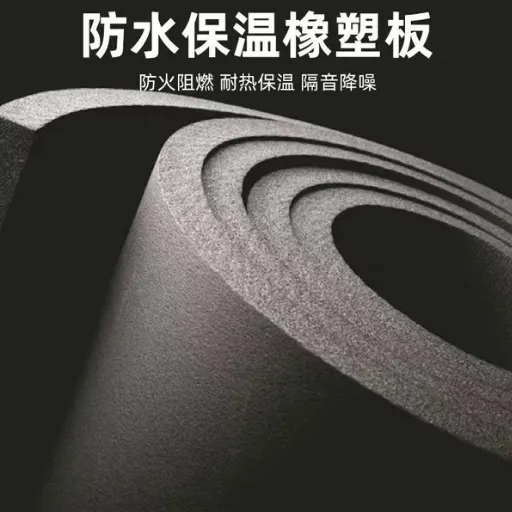
DaCheng BangMei manufactures several insulation products well suited for metal building applications.
Rock Wool Boards for Fire-Rated and Durable Assemblies
Our rock wool boards provide non-combustible A1-rated insulation for metal building roofs, walls, and fire-rated partitions. With densities from 40 to 200 kg/m³ and service temperatures up to 650°C, they handle both thermal and fire safety requirements.
XPS Boards for High-Performance Continuous Insulation
DaCheng BangMei XPS insulation boards deliver compressive strengths from 150 to 700 kPa. They provide stable R-values for metal building walls, roofs, and foundations. Their closed-cell structure resists moisture and supports mechanical fastening systems.
Rubber-Plastic Insulation for HVAC and Mechanical Systems
For chilled water pipes, ducts, and equipment inside metal buildings, our rubber-plastic insulation provides condensation control and low thermal conductivity in a flexible, easy-to-install form.
Custom Sizing and Technical Support
DaCheng BangMei offers custom dimensions, densities, and facings for metal building insulation orders. Our technical team provides complimentary U-value calculations and condensation risk analysis. We also provide specification guidance for your project. Contact our engineers for project-specific recommendations, or request a custom quote for your next metal building project.
Decision Framework: Selecting Insulation for Metal Buildings
Use these questions to guide the selection process:
Is the building conditioned?
Yes → Use continuous insulation with air sealing
No → Reflective foil or basic fiberglass may be sufficient
What is the primary climate challenge?
Hot sun → Reflective barrier plus conductive insulation
Cold winters → Thick continuous insulation
High humidity → Vapor retarder and closed-cell insulation
Is fire rating required?
Yes → Rock wool or rated assembly with thermal barrier
No → Fiberglass, XPS, or spray foam may be acceptable
What is the budget priority?
Lowest first cost → Fiberglass
Lowest lifecycle cost → XPS, rock wool, or spray foam
Fastest installation → Fiberglass or reflective foil
Will the building house moisture-sensitive equipment or inventory?
Yes → Invest in air sealing, vapor control, and moisture-resistant insulation
No → Standard insulation may suffice
Best Insulation for Metal Buildings by Application
| Application | Best Options | Why |
|---|---|---|
| Roof in hot climate | Reflective foil + fiberglass or rigid foam | Reduces radiant heat gain |
| Roof in cold climate | Rigid foam or rock wool above purlins | Eliminates thermal bridging |
| Fire-rated wall | Rock wool | Non-combustible A1 rating |
| High-performance wall | XPS or polyiso continuous insulation | High R-value, low thermal bridging |
| Foundation edge | XPS board | Moisture resistant, capillary break |
| HVAC inside building | Rubber-plastic foam | Condensation control |
| Industrial high-heat area | Rock wool | Withstands up to 650°C |
Insulation for Metal Buildings FAQ
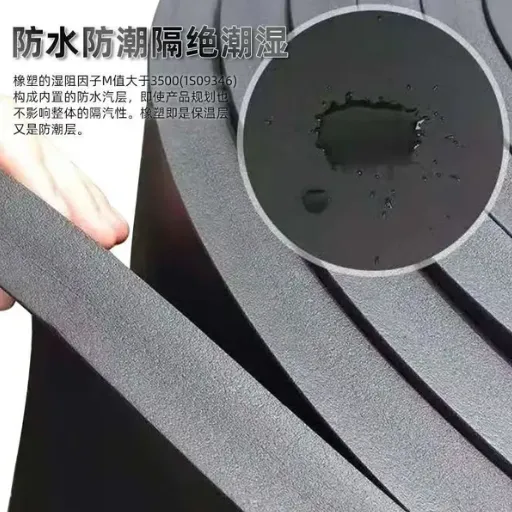
What is the best insulation for a metal building roof?
The best roof insulation for metal buildings depends on climate and budget. In hot climates, reflective foil combined with fiberglass or rigid foam reduces radiant heat. In cold climates, continuous rigid foam or rock wool above the purlins performs best by eliminating thermal bridging.
How do you stop condensation in a metal building?
Control condensation with a combination of insulation, air sealing, and vapor management. Keep interior metal surfaces above the dew point with adequate insulation. Seal panel seams and penetrations to stop moist air from reaching cold surfaces. Use vapor retarders in humid climates.
Can you use spray foam in metal buildings?
Yes. Spray foam is an effective insulation for metal buildings because it provides both insulation and air sealing. It must be covered with an approved thermal barrier in most occupied buildings, which adds cost.
Is rock wool good for metal buildings?
Rock wool is excellent for metal buildings where fire safety, durability, or acoustic performance matters. It is non-combustible, does not absorb moisture, and maintains its shape over time. DaCheng BangMei supplies rock wool boards in a range of densities for metal building applications.
What R-value do I need for a metal building?
Required R-value depends on climate zone and local energy code. ASHRAE 90.1 and the IECC provide prescriptive values. As a general guide, R-19 to R-30 for walls and R-30 to R-49 for roofs are common targets for conditioned metal buildings in moderate to cold climates.
Is reflective insulation enough for a metal building?
Reflective insulation alone is usually not enough for conditioned metal buildings. It reduces radiant heat gain but provides little conductive insulation. It works best in hot climates when combined with fiberglass or foam insulation.
Conclusion
Choosing the right insulation for metal buildings means balancing thermal performance, condensation control, fire safety, installation cost, and long-term durability. Fiberglass remains the low-cost default, but it is not always the best value. Reflective foil helps in hot climates. Rock wool provides fire resistance and durability. XPS and spray foam deliver high-performance continuous insulation.
Key takeaways for selecting insulation for metal buildings:
Use reflective foil to reduce radiant heat gain in sunny climates.
Use rock wool for fire-rated, durable, and high-temperature applications.
Use XPS or spray foam for continuous insulation and air sealing.
Use rubber-plastic insulation for HVAC and mechanical systems inside the building.
Always combine insulation with air sealing and vapor management.
If you are planning a metal building project, DaCheng BangMei can help you select the right insulation system for your climate, building use, and budget. Our engineers provide building envelope insulation support, thermal calculations, and factory-direct pricing.
Ready to insulate your metal building? Contact our technical team for a free consultation, or request a custom quote for your insulation order.
Recently Posted
-
Insulation Materials Comparison: How to Select the Right Type for Your Project
June 24, 2026The procurement manager stared at six quotations on her screen. Each supplier recommended a different insulation material for the Read More
 -
Thermal Conductivity of Insulation Materials: A Specifier's Guide
June 24, 2026Ahmed Hassan spent three weeks reconciling quotes for a cold storage expansion in Dubai. One supplier quoted 80 mm rubber-plastic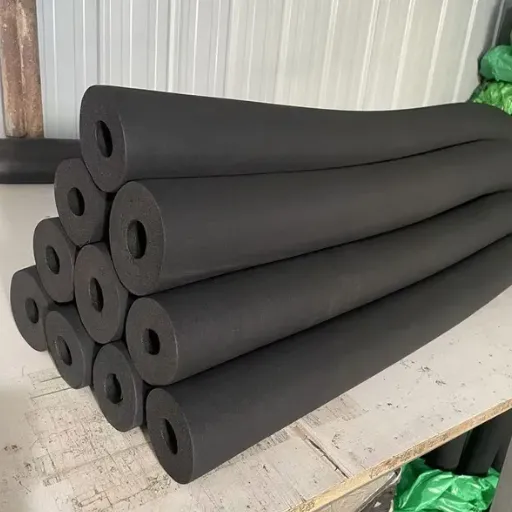 Read More
 -
Basement Insulation Board: Complete Buyer's Guide | DaCheng BangMei
June 24, 2026A homeowner in Michigan finished their basement with standard fiberglass batts and drywall. Two winters later, the bottom plates w Read More
 -
Insulation Under Concrete Slab: A Complete Specification and Installation Guide
June 24, 2026The warehouse floor in Calgary looked perfect on opening day. Polished concrete, level, and built to handle forklift traffic. With Read More

Contact Us
Recommended Products
-
 Eco-Friendly Aluminum Foil Foam Board for Underfloor Heating SolutionsNegotiableMOQ: 100 Pieces
 -
Rubber Plastic Insulation Board Waterproof for Industrial Thermal InsulationNegotiableMOQ: 500 Square Meters
-
Premium Soft Silica Nano Aerogel Felt Sheets for Industrial Heat InsulationNegotiableMOQ: 50 Meters
-
Customizable PVC Magnetic Door Curtain Roll for Home & Kitchen UseNegotiableMOQ: 500 Kilograms
-
XPS Waterproof Board for Underground Garage Moisture BarrierNegotiableMOQ: 50 Square Meters
-
Heavy Duty Titanium Steel Mesh Magnetic Door Curtain With Reinforced EdgesNegotiableMOQ: 10 Pieces
-
Rubber Plastic Insulation Tube for Refrigeration & Cold Storage PipelineNegotiableMOQ: 500 Square Meters
-
Durable Aluminum Dry Floor Heating Panel With High Thermal ConductivityNegotiableMOQ: 100 Pieces
-
Nano Aerogel Felt Insulation Material for Cold Protection and Energy EfficiencyNegotiableMOQ: 50 Meters
-
High-Temperature Nano Silica Aerogel Felt for Pipe Fire and Thermal InsulationNegotiableMOQ: 50 Meters
-
Insulated PVC Magnetic Door Curtain for Thermal Insulation in Bedroom & KitchenNegotiableMOQ: 500 Kilograms
-
Professional Aluminum Foil Foam Board for Dry Underfloor Heating SystemsNegotiableMOQ: 100 Pieces
-
Aluminum Underfloor Heating Module for Commercial and Residential UseNegotiableMOQ: 100 Pieces
-
XPS Waterproof Board 10mm Thickness for Roofing InsulationNegotiableMOQ: 50 Square Meters
-
Custom Size Titanium Steel Mesh Magnetic Door Curtain for Warehouse Pest ControlNegotiableMOQ: 10 Pieces
-
Flame Retardant Thermal Insulation Sponge for Rubber & Plastic Pipes - Fireproof Factory DirectNegotiableMOQ: 500 Square Meters
-
Cold Insulation Rubber Plastic Board for HVAC and Industrial Pipeline ApplicationsNegotiableMOQ: 500 Square Meters
-
20mm XPS Thermal Insulation Panel for Dry Underfloor Heating SystemsNegotiableMOQ: 100 Pieces
-
High Temperature Resistant Foam Insulation Tube for Air Conditioner DuctsNegotiableMOQ: 500 Meters
-
XPS Tile Backer Board Waterproof Insulation for Wall & BathroomNegotiableMOQ: 500 Square Meters