
 Business License

Insulation Materials Comparison: How to Select the Right Type for Your Project
The procurement manager stared at six quotations on her screen. Each supplier recommended a different insulation material for the same commercial building. One quoted rock wool. Another pushed rubber-plastic. A third insisted XPS was the only sensible choice. The prices varied by 40%, and the datasheets all claimed excellent thermal performance.
Choosing insulation is not simply about buying the material with the lowest thermal conductivity. The right specification depends on temperature range, fire safety requirements, moisture exposure, installation geometry, compressive loads, and total cost of ownership. A material that performs brilliantly on a chilled water pipe may fail completely inside a furnace cavity.
This article provides a practical insulation materials comparison covering the six categories most commonly used in commercial, industrial, and building projects: rock wool, rubber-plastic, XPS, EPS, aerogel, and fiberglass. You will learn how each material performs thermally, how it behaves in fire, where it is best applied, and how to avoid the specification mistakes that lead to costly rework.
At DaCheng BangMei, part of Huaneng Zhongtian's 40-year manufacturing group, we produce rock wool, rubber-plastic, XPS, and aerogel insulation. This comparison reflects our engineering team's experience supplying projects across 35+ countries, including the Beijing National Stadium.
Need help narrowing the choice? Speak with our technical team for project-specific insulation guidance.
Why Insulation Material Selection Matters
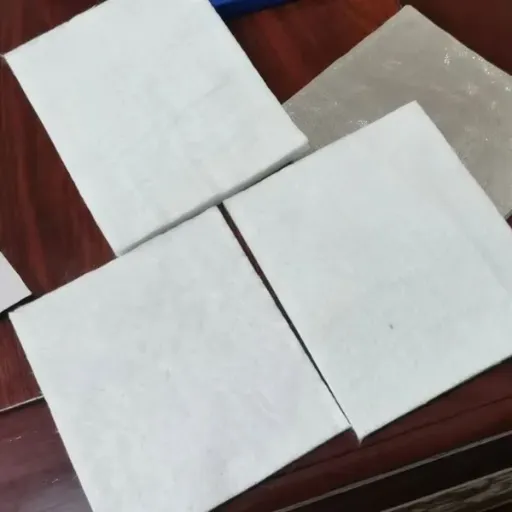
Thermal insulation is one of the few building products that must perform continuously for decades without maintenance. Once installed behind cladding, inside ducts, or beneath concrete, it is expensive and disruptive to replace.
A poor material choice can cause:
Energy losses exceeding 30% of modeled savings
Condensation damage to ceilings, walls, and equipment
Fire code violations and failed inspections
Corrosion under insulation on industrial pipes
Frost heave and cracking in cold-storage slabs
Mold growth and indoor air quality problems
A well-chosen material delivers:
Stable thermal performance across the service life
Compliance with local building and fire codes
Reduced maintenance and replacement costs
Safer buildings and industrial systems
Lower total cost of ownership over 20+ years
The goal of this insulation materials comparison is not to crown a single winner. It is to match the right material to the right application.
Rock Wool Insulation
Rock wool, also called mineral wool or stone wool, is manufactured by melting basalt rock and recycled slag at temperatures above 1,400°C and spinning the molten material into fibers. These fibers are bonded with thermosetting resin and formed into boards, pipes, blankets, or loose fill.
Key Properties
| Property | Typical Value |
|---|---|
| Thermal conductivity | ≤0.040 W/(m·K) |
| Maximum service temperature | 650°C |
| Fire rating | Non-combustible A1/A2 |
| Density range | 40-200 kg/m³ |
| Water repellency | ≥98% with hydrophobic treatment |
| Compressive strength | ≥10 kPa at 10% deformation |
Strengths
Rock wool's defining advantage is fire performance. It will not burn, melt, or emit toxic smoke under fire conditions. This makes it essential for curtain wall fireproofing, fire-rated partitions, industrial furnaces, and high-temperature equipment.
Best Applications
Curtain wall and facade fireproofing
Industrial furnaces, boilers, and ovens
HVAC ductwork requiring fire resistance
Floor and roof insulation where fire rating matters
Acoustic insulation in walls and ceilings
A contractor in Dubai specified rock wool for a 50-story tower's curtain wall spandrels after the local authority required a two-hour fire barrier between floors. The rock wool assembly passed the fire test, and the project received its occupancy certificate without delay.
Looking for fire-rated insulation? Browse our Yalong rock wool boards for non-combustible solutions.
Rubber-Plastic Insulation
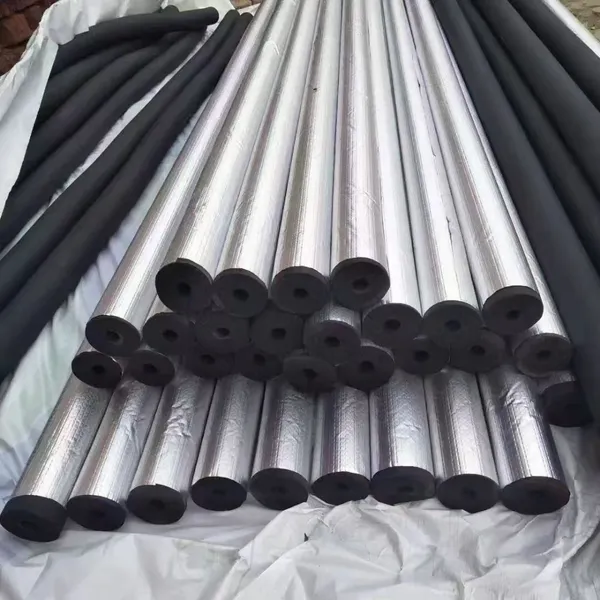
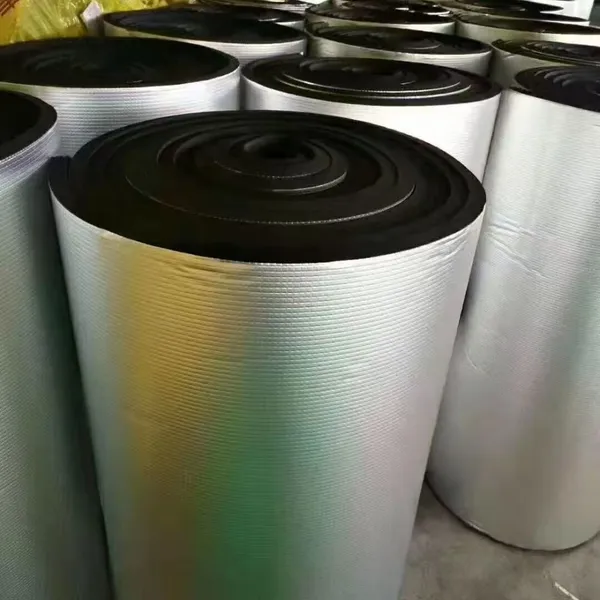
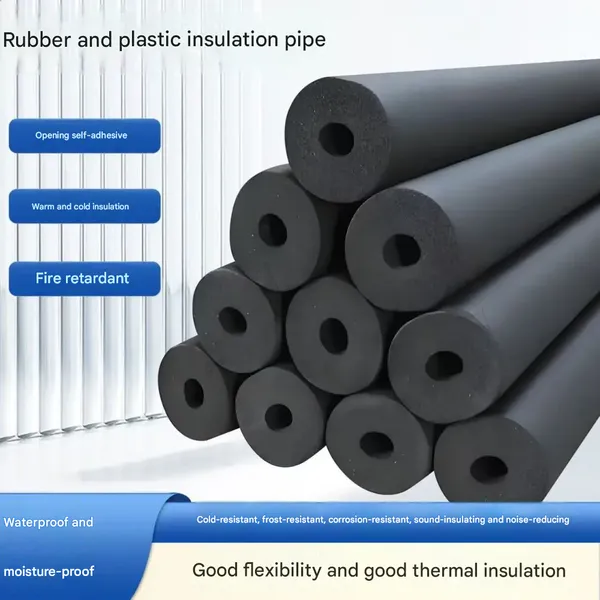
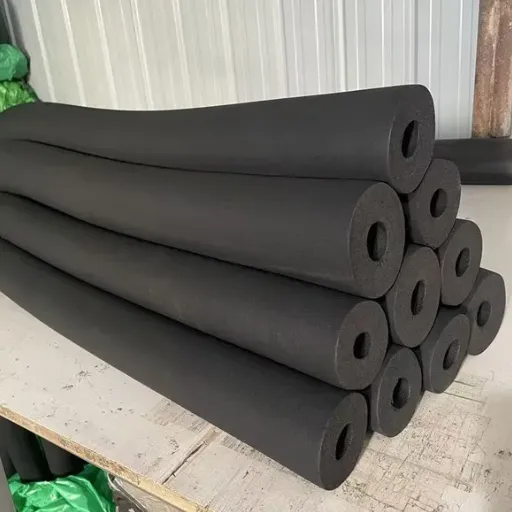
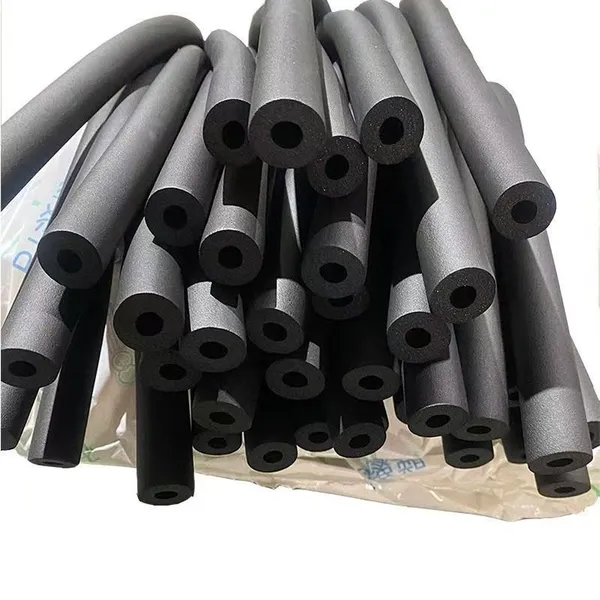
Rubber-plastic insulation, also known as elastomeric foam, is a closed-cell synthetic rubber material produced through foaming and vulcanization. It is flexible, lightweight, and highly effective at preventing condensation on cold surfaces.
Key Properties
| Property | Typical Value |
|---|---|
| Thermal conductivity | 0.034-0.038 W/(m·K) |
| Service temperature range | -40°C to +105°C |
| Fire rating | Class B1 flame retardant |
| Density range | 40-80 kg/m³ |
| Water vapor permeability | ≤1.3 ng/(Pa·s·m) |
| Compression resilience | ≥70% |
Strengths
The closed-cell structure gives rubber-plastic excellent moisture vapor resistance. It is the preferred choice for chilled water pipes, refrigeration lines, and air conditioning ducts where condensation control is critical.
Best Applications
Chilled water and refrigeration pipe insulation
Air handling units and ductwork
Solar hot water pipes
Flexible installations around bends and fittings
Sound and vibration damping
An HVAC engineer in Singapore replaced failed fiberglass pipe insulation with rubber-plastic on a hospital chilled water system. The rubber-plastic's closed-cell structure stopped condensation that had been damaging ceiling tiles, and the maintenance team reported zero condensation-related callouts in the following two years.
Need condensation-resistant insulation? Explore our rubber-plastic insulation boards for HVAC systems.
XPS Insulation
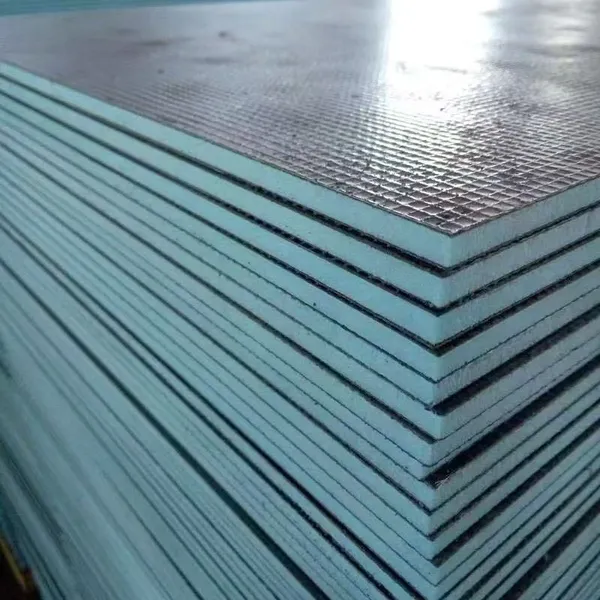
XPS, or extruded polystyrene, is a rigid closed-cell foam board made by extruding polystyrene resin with a blowing agent. It is dense, moisture-resistant, and available in a wide range of compressive strengths.
Key Properties
| Property | Typical Value |
|---|---|
| Thermal conductivity | 0.028-0.036 W/(m·K) |
| Compressive strength | 150-700 kPa |
| Water absorption | <0.7% by volume |
| Service temperature range | -50°C to +75°C |
| Cell structure | Closed-cell |
Strengths
XPS combines good thermal performance with high compressive strength and very low water absorption. It outperforms most foam materials in below-grade and load-bearing applications.
Best Applications
Under-slab and foundation insulation
Roof insulation with traffic loads
Plaza decks and green roofs
Cold-storage floors
Perimeter slab edge insulation
A warehouse developer in Toronto chose 250 kPa XPS boards for a freezer foundation after a previous EPS installation degraded from groundwater absorption. The XPS foundation has maintained stable floor temperatures through seven freeze-thaw cycles without maintenance.
Planning a below-grade project? View our XPS waterproof insulation boards with compressive strengths up to 700 kPa.
EPS Insulation
EPS, or expanded polystyrene, is a lightweight rigid foam produced by expanding polystyrene beads. It is lower in cost than XPS but absorbs more moisture and has lower compressive strength.
Key Properties
| Property | Typical Value |
|---|---|
| Thermal conductivity | 0.030-0.040 W/(m·K) |
| Compressive strength | 70-250 kPa |
| Water absorption | Higher than XPS |
| Service temperature range | -50°C to +75°C |
| Cell structure | Mostly closed-cell |
Strengths
EPS is economical and easy to cut. It works well in protected wall and roof applications where loads are light and moisture exposure is minimal.
Best Applications
Residential wall sheathing
Light commercial roof insulation
Geofoam and fill applications
Packaging and temporary protection
EPS is not the best choice for below-grade slabs, heavy loads, or wet environments where XPS performs better.
Aerogel Insulation
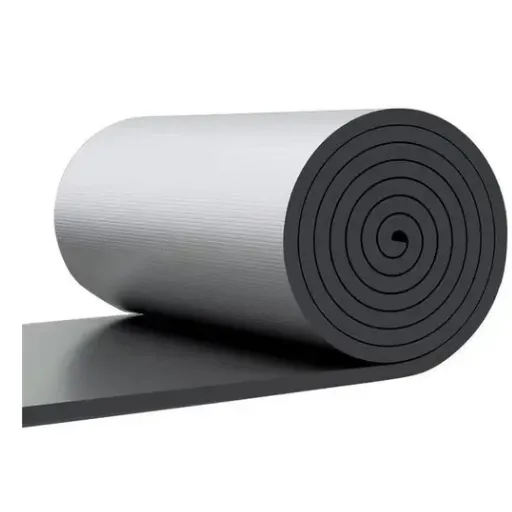
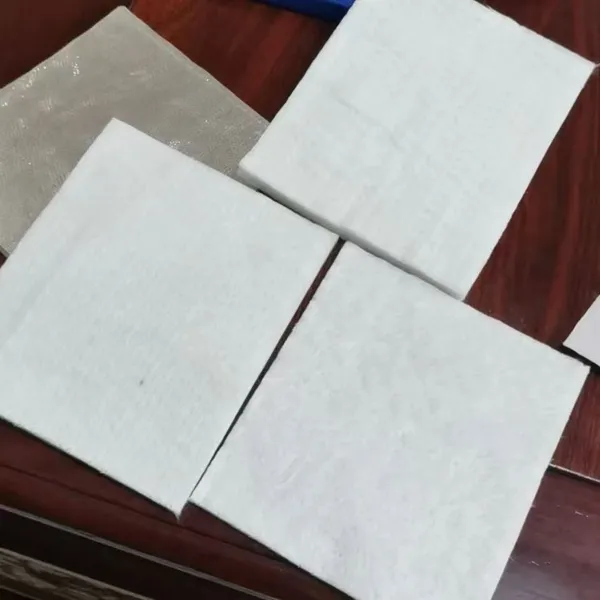
Aerogel is a synthetic porous material derived from a gel, with the liquid component replaced by gas. Nano aerogel insulation felt is flexible, extremely thin, and delivers one of the lowest thermal conductivity values of any insulation material.
Key Properties
| Property | Typical Value |
|---|---|
| Thermal conductivity | ~0.018 W/(m·K) |
| Thickness for equivalent R-value | 30-50% of conventional materials |
| Service temperature range | -200°C to +650°C |
| Flexibility | High in felt form |
| Density | Low |
Strengths
Aerogel provides outstanding thermal performance in a very thin profile. It is ideal for space-constrained applications where conventional insulation would be too thick.
Best Applications
High-performance building envelopes
Industrial pipe and vessel insulation with tight clearances
Aerospace and cryogenic systems
Retrofit projects where space is limited
Pipelines requiring minimal insulation thickness
A petrochemical facility in Saudi Arabia used aerogel blankets to insulate steam lines running through congested pipe racks. The thin aerogel layer achieved the required surface temperature with only 20 mm of thickness, avoiding major rerouting work.
Need ultra-thin high-performance insulation? See our nano aerogel insulation felt for space-critical projects.
Fiberglass Insulation
Fiberglass insulation is made from fine glass fibers and is one of the most widely used insulation materials globally. It is available as batts, rolls, loose fill, and rigid boards.
Key Properties
| Property | Typical Value |
|---|---|
| Thermal conductivity | 0.030-0.045 W/(m·K) |
| Maximum service temperature | 260-540°C depending on type |
| Fire rating | Non-combustible |
| Moisture resistance | Low without facing |
| Cost | Low |
Strengths
Fiberglass is inexpensive, widely available, and easy to install in standard framing cavities. It performs adequately in dry, above-ambient applications.
Best Applications
Residential attics and wall cavities
Light commercial metal building insulation
Acoustic ceiling panels
Applications where cost is the primary driver
Fiberglass is less suitable for cold pipes, wet environments, and industrial high-temperature applications where rock wool or rubber-plastic perform better.
Side-by-Side Insulation Materials Comparison
| Property | Rock Wool | Rubber-Plastic | XPS | EPS | Aerogel | Fiberglass |
|---|---|---|---|---|---|---|
| Thermal conductivity | ≤0.040 | 0.034-0.038 | 0.028-0.036 | 0.030-0.040 | ~0.018 | 0.030-0.045 |
| Max temperature | 650°C | 105°C | 75°C | 75°C | 650°C | 260-540°C |
| Fire rating | A1/A2 | B1 | Thermoplastic | Thermoplastic | Varies | Non-combustible |
| Moisture resistance | Good with treatment | Excellent | Excellent | Moderate | Good | Low |
| Flexibility | Rigid/semi-rigid | High | Rigid | Rigid | High in felt | Flexible batt |
| Compressive strength | Low | Low | High | Moderate | Low | Low |
| Best use | Fire/high temp | Cold pipes/ducts | Below-grade/load | Cost-driven dry | Space-limited | Residential dry |
| Relative cost | Moderate | Moderate | Moderate | Low | High | Low |
How to Choose the Right Insulation Material
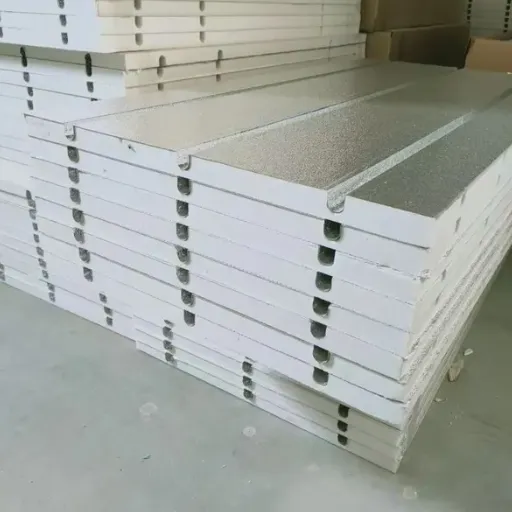
Use this decision framework to narrow the options:
What is the operating temperature?
Above 105°C → Rock wool
Below dew point / chilled systems → Rubber-plastic
Wide range including cryogenic → Aerogel or rock wool
Is fire rating required?
A1/A2 non-combustible → Rock wool
B1 flame retardant acceptable → Rubber-plastic
Protected assembly → XPS or EPS with barrier
Will the insulation contact moisture?
Yes, liquid water or vapor → Rubber-plastic or XPS
Minimal moisture, dry environment → Fiberglass or EPS
High-temperature wet → Rock wool with treatment
What loads will the insulation bear?
Foot traffic, soil, equipment → XPS
No structural load → Rock wool, rubber-plastic, fiberglass
Is space limited?
Very tight clearance → Aerogel
Moderate constraints → Rubber-plastic or XPS
Standard cavity → Fiberglass or rock wool
What is the budget priority?
Lowest first cost → Fiberglass or EPS
Lowest life-cycle cost → Rock wool or XPS
Premium performance in tight space → Aerogel
Common Specification Mistakes
Even experienced specifiers make these errors:
Using fiberglass on cold pipes without a vapor barrier. Moisture penetrates open fibers and destroys thermal performance.
Specifying EPS under slabs or in wet soil. Water absorption degrades the material and increases heat loss.
Installing rock wool on small-diameter chilled water pipes. Rock wool is less effective at condensation control than rubber-plastic in this geometry.
Choosing aerogel for cost-sensitive projects. The performance is excellent, but the cost cannot be justified for every application.
Ignoring fire rating requirements until late design. Retrofitting fire-rated materials after approval is expensive.
Matching only thermal conductivity without considering durability. A material with better lambda may fail faster in the actual environment.
Insulation Materials Comparison for Common Applications
| Application | Recommended Material | Why |
|---|---|---|
| Curtain wall fireproofing | Rock wool | Non-combustible A1/A2 rating |
| Chilled water pipes | Rubber-plastic | Closed-cell condensation control |
| Under concrete slab | XPS | High compressive strength, low water absorption |
| Residential attic | Fiberglass | Low cost, easy installation |
| Industrial furnace | Rock wool | 650°C service temperature |
| Space-constrained pipe | Aerogel | Ultra-low thermal conductivity in thin layer |
| Cold storage floor | XPS | Moisture resistance and load capacity |
| HVAC ductwork | Rubber-plastic or rock wool | Flexibility or fire rating depending on need |
How DaCheng BangMei Supports Material Selection
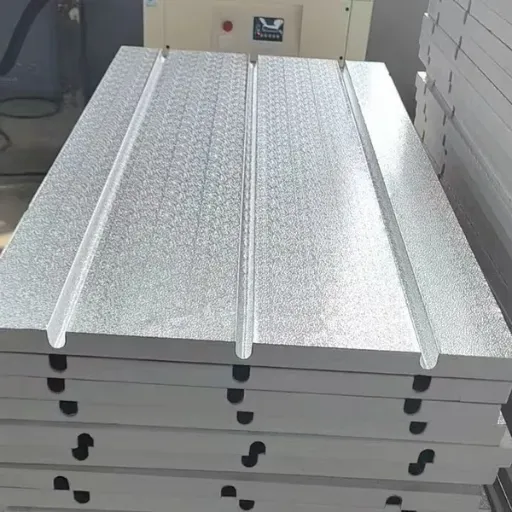
DaCheng BangMei manufactures and supplies rock wool, rubber-plastic, XPS, and aerogel insulation from Huaneng Zhongtian's 225,000 m² production base. We support buyers with:
Multi-material sourcing: Combine rock wool, rubber-plastic, XPS, and aerogel in a single order
Custom specifications: Density, thickness, dimensions, and facings tailored to project needs
Fire and thermal test reports: ISO, FM, and third-party documentation for code compliance
Technical consultation: U-value calculations, condensation analysis, and material selection guidance
Export logistics: Palletized packaging, sea freight coordination, and customs documentation
A mixed-use development in Southeast Asia recently sourced four materials from us for one project: rock wool for curtain wall fireproofing, rubber-plastic for chilled water pipes, XPS for roof insulation, and aerogel for a space-constrained mechanical room. Consolidating procurement reduced shipping complexity and ensured consistent quality documentation across the building envelope.
Unsure which insulation material fits your project? Request a technical consultation with our engineering team.
Conclusion
There is no single best insulation material for every project. The right choice depends on temperature, fire rating, moisture exposure, loads, space, and budget. This insulation materials comparison shows that rock wool leads in fire safety and high temperatures, rubber-plastic dominates condensation control, XPS excels below grade and under load, EPS offers low-cost dry insulation, aerogel solves space constraints, and fiberglass remains a cost-effective option for standard cavities.
Key takeaways:
Match material to environment. Thermal conductivity alone does not determine suitability.
Prioritize fire safety early. Non-combustible rock wool is essential for rated assemblies.
Control moisture properly. Closed-cell materials prevent condensation and water damage.
Consider life-cycle cost. Cheaper materials can become expensive if they fail prematurely.
Use mixed specifications. Complex projects often need more than one insulation type.
If you are comparing insulation materials for a commercial or industrial project, our technical team can review your specifications and recommend the optimal solution. We provide data-driven guidance backed by 40 years of manufacturing experience and global project delivery.
Recently Posted
-
Insulation for Metal Buildings: Complete Buyer's Guide 2026
June 24, 2026A warehouse manager in Texas watched his electricity bill climb every summer. The metal roof turned the building into a solar oven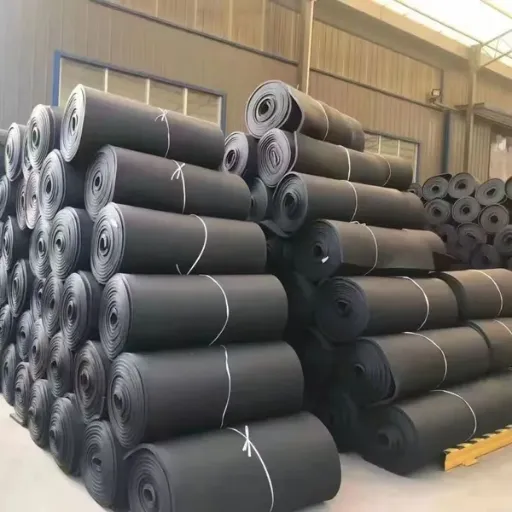 Read More
 -
Thermal Conductivity of Insulation Materials: A Specifier's Guide
June 24, 2026Ahmed Hassan spent three weeks reconciling quotes for a cold storage expansion in Dubai. One supplier quoted 80 mm rubber-plastic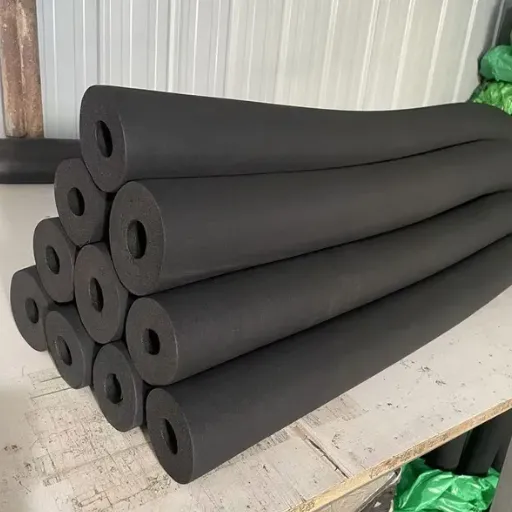 Read More
 -
Basement Insulation Board: Complete Buyer's Guide | DaCheng BangMei
June 24, 2026A homeowner in Michigan finished their basement with standard fiberglass batts and drywall. Two winters later, the bottom plates w Read More
 -
Insulation Under Concrete Slab: A Complete Specification and Installation Guide
June 24, 2026The warehouse floor in Calgary looked perfect on opening day. Polished concrete, level, and built to handle forklift traffic. With Read More

Contact Us
Recommended Products
-
 Eco-Friendly Aluminum Foil Foam Board for Underfloor Heating SolutionsNegotiableMOQ: 100 Pieces
 -
Rubber Plastic Insulation Board Waterproof for Industrial Thermal InsulationNegotiableMOQ: 500 Square Meters
-
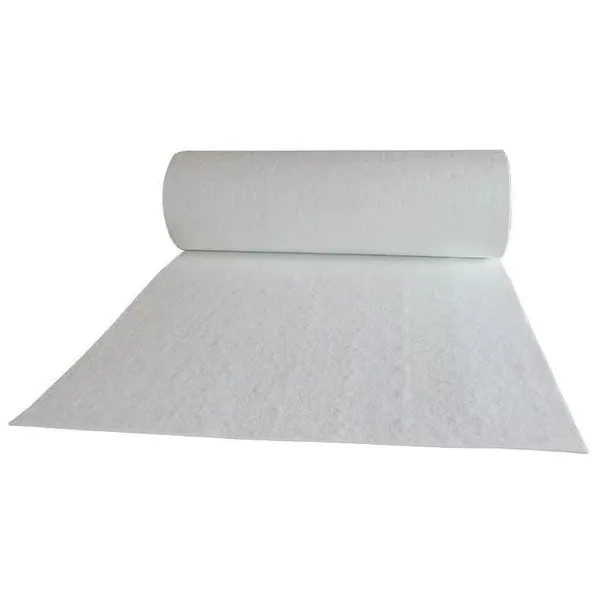
Premium Soft Silica Nano Aerogel Felt Sheets for Industrial Heat InsulationNegotiableMOQ: 50 Meters
-
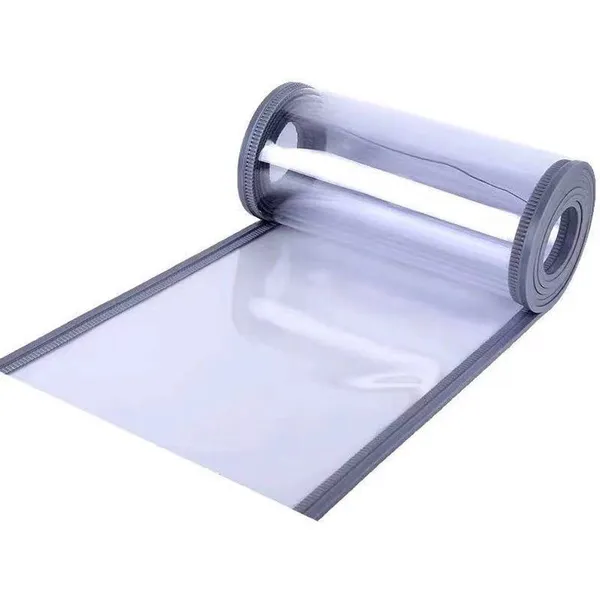
Customizable PVC Magnetic Door Curtain Roll for Home & Kitchen UseNegotiableMOQ: 500 Kilograms
-
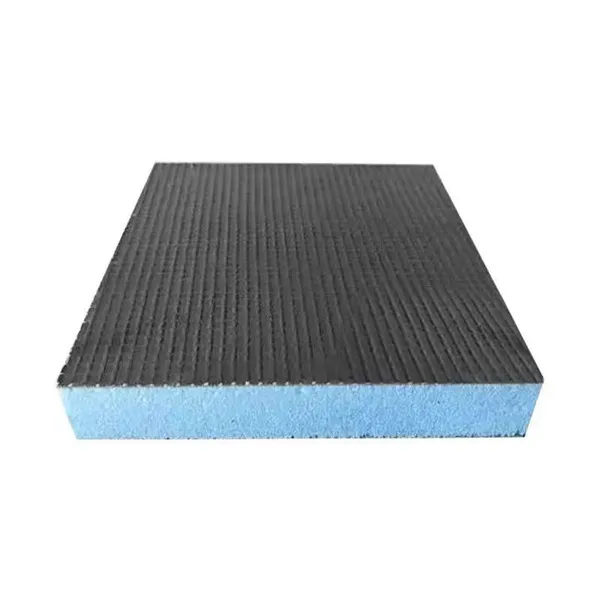
XPS Waterproof Board for Underground Garage Moisture BarrierNegotiableMOQ: 50 Square Meters
-
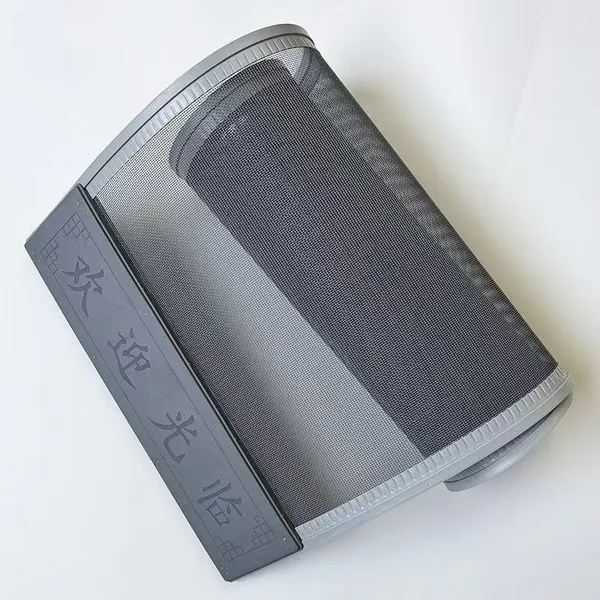
Heavy Duty Titanium Steel Mesh Magnetic Door Curtain With Reinforced EdgesNegotiableMOQ: 10 Pieces
-
Rubber Plastic Insulation Tube for Refrigeration & Cold Storage PipelineNegotiableMOQ: 500 Square Meters
-
Durable Aluminum Dry Floor Heating Panel With High Thermal ConductivityNegotiableMOQ: 100 Pieces
-
Nano Aerogel Felt Insulation Material for Cold Protection and Energy EfficiencyNegotiableMOQ: 50 Meters
-
High-Temperature Nano Silica Aerogel Felt for Pipe Fire and Thermal InsulationNegotiableMOQ: 50 Meters
-
Insulated PVC Magnetic Door Curtain for Thermal Insulation in Bedroom & KitchenNegotiableMOQ: 500 Kilograms
-
Professional Aluminum Foil Foam Board for Dry Underfloor Heating SystemsNegotiableMOQ: 100 Pieces
-
Aluminum Underfloor Heating Module for Commercial and Residential UseNegotiableMOQ: 100 Pieces
-
XPS Waterproof Board 10mm Thickness for Roofing InsulationNegotiableMOQ: 50 Square Meters
-
Custom Size Titanium Steel Mesh Magnetic Door Curtain for Warehouse Pest ControlNegotiableMOQ: 10 Pieces
-
Flame Retardant Thermal Insulation Sponge for Rubber & Plastic Pipes - Fireproof Factory DirectNegotiableMOQ: 500 Square Meters
-
Cold Insulation Rubber Plastic Board for HVAC and Industrial Pipeline ApplicationsNegotiableMOQ: 500 Square Meters
-
20mm XPS Thermal Insulation Panel for Dry Underfloor Heating SystemsNegotiableMOQ: 100 Pieces
-
High Temperature Resistant Foam Insulation Tube for Air Conditioner DuctsNegotiableMOQ: 500 Meters
-
XPS Tile Backer Board Waterproof Insulation for Wall & BathroomNegotiableMOQ: 500 Square Meters