
 Business License

Duct Insulation R-Value: How to Specify the Right Thermal Resistance for HVAC Systems
Last summer, a facilities manager in Dallas watched his cooling bill climb 18% even though the chiller plant was running fine. The problem wasn't the equipment, it was the rooftop supply ducts. They were wrapped with R-6 insulation in a climate that demanded R-8, and the thermal loss was forcing the system to overwork every afternoon.
If you've ever struggled to match a specification sheet to actual field performance, you're not alone. Duct insulation R-value is one of the most misunderstood numbers in HVAC design, yet it directly controls energy use, condensation risk, and code compliance.
In this guide, you'll learn what duct insulation R-value really means, how building codes set minimum requirements, and how to select the right material thickness for supply, return, and exterior ductwork. We'll also look at the mistakes that erode real-world R-value after installation.
At DaCheng BangMei, backed by Huaneng Zhongtian's 40 years of insulation manufacturing, we supply HVAC insulation solutions to projects across 35+ countries. Here's how we help engineers and contractors get the specification right the first time.
What Is Duct Insulation R-Value and Why Does It Matter?
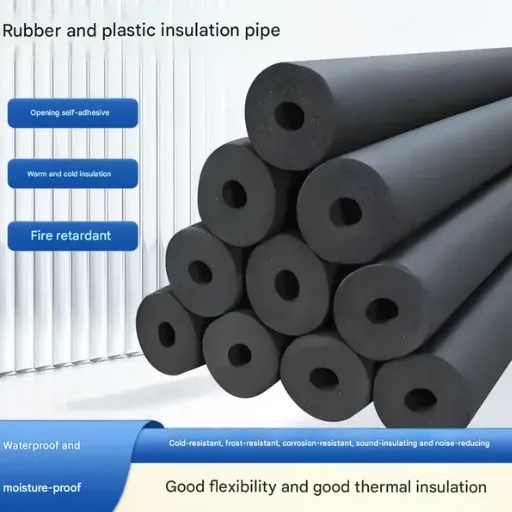
R-value measures thermal resistance. The higher the number, the better the insulation resists heat flow. For ductwork, R-value tells you how effectively the insulation layer slows heat transfer between the conditioned air inside the duct and the surrounding environment.
In simple terms:
Heat always moves from warm to cold.
Without adequate insulation, cooled air warms up before it reaches the diffusers.
Heated air cools down before it reaches the zones that need it.
This thermal loss forces fans, pumps, and chillers to compensate. According to the U.S.Department of Energy, poorly insulated ducts in unconditioned spaces can waste 10% to 30% of the energy used to heat or cool a building. That makes duct insulation R-value a direct contributor to operating cost and carbon footprint.
R-value is also critical for condensation control. When cold supply air passes through a hot, humid attic, the outer surface of the duct or insulation can drop below the dew point. If that happens, water forms on the insulation, soaks into the facing, and creates mold, corrosion, and indoor air quality problems. The right R-value keeps the surface temperature above the dew point.
Want to understand how R-value relates to the thermal conductivity data on our spec sheets? Read our guide on how thermal conductivity and R-value work in insulation materials.
Code Requirements: Minimum Duct Insulation R-Values by Application
Most commercial projects in North America reference ASHRAE 90.1 or the International Energy Conservation Code (IECC) for minimum duct insulation R-values. These standards divide requirements by climate zone, duct location, and operating temperature.
ASHRAE 90.1 Duct Insulation Requirements
ASHRAE Standard 90.1 sets minimum insulation levels for mechanical systems. The required R-value depends on whether the duct is in a conditioned or unconditioned space, and whether it carries heated or cooled air.
| Duct Location | Supply Air (Cooling) | Supply Air (Heating) | Return/Exhaust |
|---|---|---|---|
| Exterior (outdoors) | R-8 to R-12 | R-6 to R-12 | R-4 to R-8 |
| Unconditioned space (attic, crawlspace) | R-6 to R-8 | R-6 | R-4 to R-6 |
| Conditioned space | R-4 to R-6 | R-4 | No insulation required in many cases |
These values are approximate because ASHRAE updates the standard periodically. Always verify the edition adopted by your local jurisdiction. For the latest requirements, consult the ASHRAE 90.1 standard directly.
IECC Climate Zone Adjustments
The International Energy Conservation Code uses climate zones 1 through 8. Hot-humid climates like Miami (Zone 1) and cold climates like Minneapolis (Zone 7) have different minimums. Generally:
Cooling-dominated climates prioritize higher R-value on cold supply ducts to prevent heat gain and condensation.
Heating-dominated climates prioritize supply duct R-value to reduce heat loss.
Mixed climates require balanced performance on both heating and cooling systems.
You can check your project's climate zone through the IECC climate zone map and match it to the local adopted energy code.
How to Calculate the Right R-Value for Your Ductwork
Selecting the right duct insulation R-value is not just about meeting code. You also need to consider duct location, air temperature, humidity, and whether the system runs heating, cooling, or both.
Step 1: Identify the Duct Location
The location drives the baseline requirement:
Outdoors: Exposed to sun, wind, and rain. Requires the highest R-value and a weather-resistant jacket.
Unconditioned attic or crawlspace: Large temperature swings. Needs R-6 to R-8 minimum.
Conditioned ceiling plenum: Lower requirement because ambient temperature is controlled.
Buried or below-grade: Must account for soil moisture and potential flooding.
Step 2: Determine Operating Temperature
Supply air temperature affects both heat loss and condensation risk. A 12°C chilled air duct in a 35°C attic needs more insulation than a 15°C mixed-air duct in a conditioned ceiling.
For cooling systems, calculate the dew point of the ambient air. Your insulation surface temperature should stay at least 2°C above that dew point to avoid condensation.
Step 3: Convert Manufacturer Data to R-Value
Many international manufacturers list thermal conductivity (lambda, λ) in W/(m·K) rather than R-value. You can estimate R-value per inch using the formula:
R-value per inch (imperial) ≈ 0.144 / λ (W/(m·K))
For example:
Rubber-plastic with λ = 0.034 W/(m·K) → approximately R-4.2 per inch
Rock wool with λ = 0.040 W/(m·K) → approximately R-3.6 per inch
Fiberglass duct wrap with λ = 0.043 W/(m·K) → approximately R-3.3 per inch
To hit R-8 with rubber-plastic insulation, you would need roughly 2 inches (50 mm) of material. With rock wool, you would need roughly 2.2 inches (55 mm). Always round up to the nearest available product thickness and confirm with the manufacturer's test data.
Material Comparison: Which Insulation Type Delivers the Best R-Value?
Not all duct insulation materials perform the same way. Thermal conductivity, fire rating, moisture resistance, and installation flexibility all influence the final specification.
| Material | Typical λ (W/(m·K)) | Approx. R-Value per Inch | Fire Rating | Best For |
|---|---|---|---|---|
| Rubber-plastic (elastomeric foam) | 0.034–0.038 | R-3.5 to R-4.2 | Class B1 flame retardant | Chilled water and air ducts, condensation control |
| Rock wool / mineral wool | 0.036–0.040 | R-3.5 to R-4.0 | Non-combustible A1 | Fire-rated duct enclosures, high-temperature exhaust |
| Fiberglass duct wrap | 0.038–0.045 | R-3.0 to R-3.5 | Combustible (faced) | Budget residential and light commercial |
| XPS rigid board | 0.029–0.036 | R-4.5 to R-5.0 | Flame retardant B1/B2 | Exterior duct enclosures, high compressive loads |
Rubber-Plastic Insulation for Ductwork
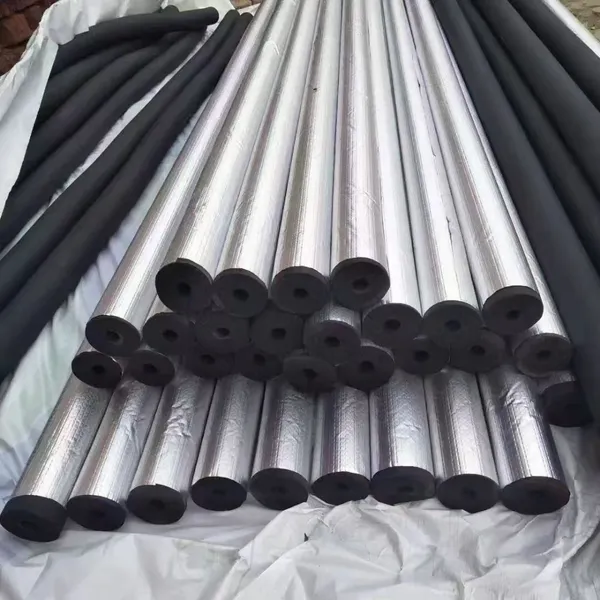
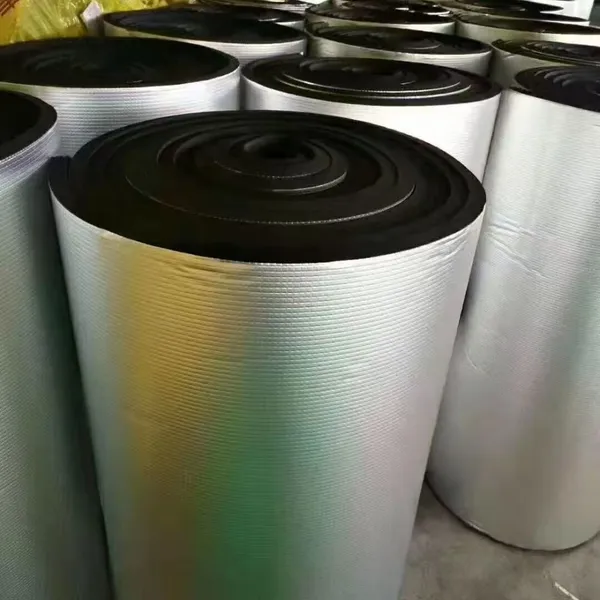
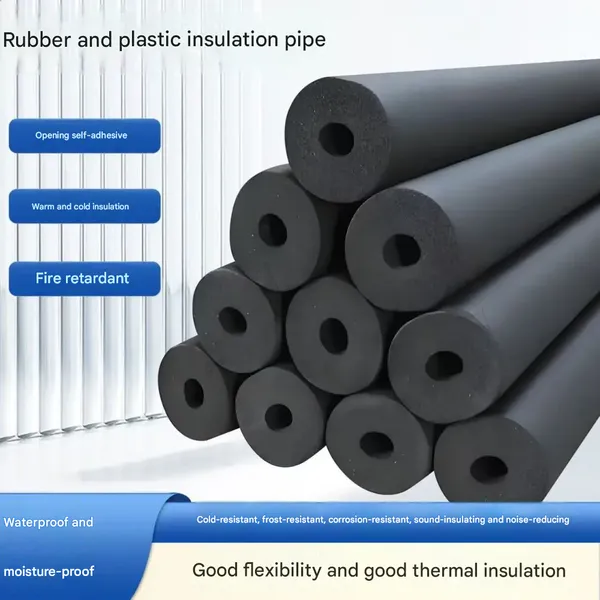
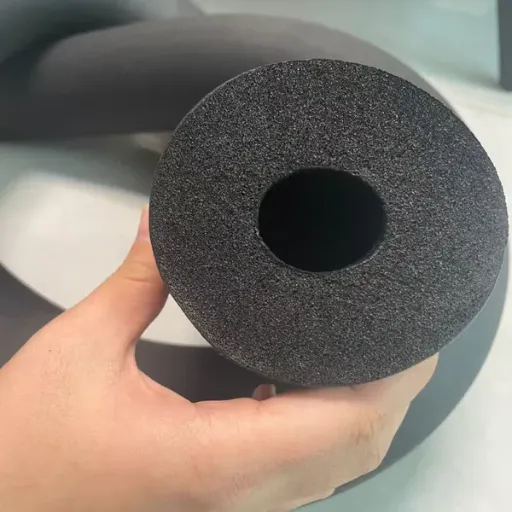
Closed-cell rubber-plastic insulation is the most common choice for commercial HVAC ducts. It is flexible, easy to wrap around rectangular and round ductwork, and provides inherent moisture resistance. Our rubber-plastic insulation boards achieve thermal conductivity as low as 0.034 W/(m·K), which makes them efficient for both supply and return ducts.
The closed-cell structure also acts as a vapor retarder. When properly installed with sealed joints, it prevents warm, humid air from reaching the cold duct surface. That is why contractors often specify rubber-plastic for chilled air systems in hot-humid climates.
Rock Wool for Fire-Rated Ductwork
When a duct passes through a fire-rated enclosure or serves as a smoke exhaust shaft, fire performance becomes more important than R-value per inch. Rock wool insulation boards offer non-combustible A1 rating and service temperatures up to 650°C. They are often used in fire-rated duct wrap systems where the assembly must maintain integrity for 1 to 2 hours.
Rock wool also provides acoustic damping, which is valuable for high-velocity supply ducts near occupied spaces.
Rigid XPS Board for Exterior Ducts
Exterior ducts exposed to weather sometimes use rigid XPS boards protected by a metal or fiberglass jacket. XPS offers high R-value per inch and good moisture resistance, but it requires more labor to install around complex duct geometries.
Not sure which material matches your ductwork and code requirements? Speak with our insulation engineer for a complimentary specification review.
Installation Mistakes That Reduce Effective R-Value
A specification sheet may say R-8, but the installed assembly often performs below that number. Field studies consistently show that installation quality has a major impact on actual thermal performance.
Compression
Compressing insulation to fit it into tight spaces reduces its thickness and R-value. A 2-inch blanket compressed to 1.5 inches loses roughly 25% of its rated thermal resistance. Always use the specified thickness and allow space for it to expand fully.
Gaps and Joint Sealing
Even small gaps at seams, supports, and access panels create thermal bypasses. Warm attic air flows through these gaps directly to the duct surface. Every longitudinal and transverse joint should be sealed with the appropriate adhesive, tape, or mastic compatible with the insulation facing.
Inadequate Vapor Retarder
In cooling applications, the vapor retarder facing must be continuous and sealed. If warm, humid air migrates through the insulation to the cold duct surface, condensation forms inside the insulation. Over time, this saturation destroys both R-value and the insulation itself.
Unsupported Sagging
Insulation that sags away from the duct creates an air gap. That gap allows convective heat transfer and reduces effective R-value. Use mechanical fasteners, banding, or adhesive systems rated for the insulation weight and duct orientation.
Thermal Bridging at Supports
Metal hangers, brackets, and supports act as thermal bridges. Without insulation pads or breakers, heat flows around the insulation through the metal. Specify insulated support inserts or saddle pads at every support location.
In 2023, a contractor in Toronto installed R-6 rubber-plastic duct wrap on a chilled air system in an unconditioned penthouse. The insulation itself was fine, but the joints were taped with a non-compatible adhesive that failed after six months.
Humid summer air entered the seams, saturated the insulation, and caused visible ceiling stains below. The fix required removing the affected sections, re-insulating with R-8 material, and sealing every joint with manufacturer-approved tape. The repair cost more than double the original installation.
How DaCheng BangMei Supports Duct Insulation Specification
Specifying the right duct insulation R-value involves more than picking a number from a table. You need to match the material, thickness, facing, and installation method to the actual project conditions.
At DaCheng BangMei, operating under Huaneng Zhongtian Energy-Saving Technology Group, we support HVAC contractors and engineers with:
Product selection guidance: Rubber-plastic boards and pipes, rock wool boards, and composite facings for ducts in all climates
Thermal calculations: U-value and condensation risk analysis based on local design conditions
Custom dimensions and thicknesses: Non-standard board sizes and densities for unique duct configurations
Certification documentation: ISO9001, ISO14001, OHSAS18001, and FM Global certification support for international projects
Export logistics: Container loading, sea freight documentation, and delivery coordination to 35+ countries
Our 225,000 m² manufacturing base produces 100,000 tons of rock wool and 500,000 m³ of rubber-plastic products annually, with 5G-enabled quality monitoring for batch-to-batch consistency.
For a recent mixed-use tower in Southeast Asia, our team reviewed the HVAC drawings and recommended 32 mm rubber-plastic duct insulation with aluminum foil facing for the rooftop supply mains, and 25 mm rock wool board with fiberglass cloth facing for the fire-rated exhaust shafts. The combined specification met both ASHRAE-equivalent energy requirements and local fire codes while staying within the mechanical budget.
Ready to specify duct insulation for your project? Request a custom quote and our technical team will review your ductwork drawings, climate conditions, and code requirements.
Conclusion
Duct insulation R-value is not a generic number you copy from a catalog. It is a project-specific decision driven by climate zone, duct location, operating temperature, humidity, and code requirements.
Key takeaways:
Higher R-value means lower heat transfer, which reduces energy use and improves comfort.
Cooling ducts in unconditioned or exterior spaces need the highest R-values and a continuous vapor retarder.
Convert manufacturer thermal conductivity (λ) to R-value to compare materials fairly across metric and imperial specs.
Installation quality matters as much as material selection. Compression, gaps, and poor sealing can cut effective R-value by 25% or more.
Fire-rated applications may require non-combustible rock wool even if it means adjusting the thickness to reach the target R-value.
If you're planning an HVAC project and need help selecting the right duct insulation R-value, material, and thickness, our engineers are available to review your specifications. We'll help you meet code, control condensation, and keep your system efficient for its full service life.
Recently Posted
-
Insulation for Metal Buildings: Complete Buyer's Guide 2026
June 24, 2026A warehouse manager in Texas watched his electricity bill climb every summer. The metal roof turned the building into a solar oven Read More
 -
Insulation Materials Comparison: How to Select the Right Type for Your Project
June 24, 2026The procurement manager stared at six quotations on her screen. Each supplier recommended a different insulation material for the Read More
 -
Thermal Conductivity of Insulation Materials: A Specifier's Guide
June 24, 2026Ahmed Hassan spent three weeks reconciling quotes for a cold storage expansion in Dubai. One supplier quoted 80 mm rubber-plastic Read More
 -
Basement Insulation Board: Complete Buyer's Guide | DaCheng BangMei
June 24, 2026A homeowner in Michigan finished their basement with standard fiberglass batts and drywall. Two winters later, the bottom plates w Read More

Contact Us
Recommended Products
-
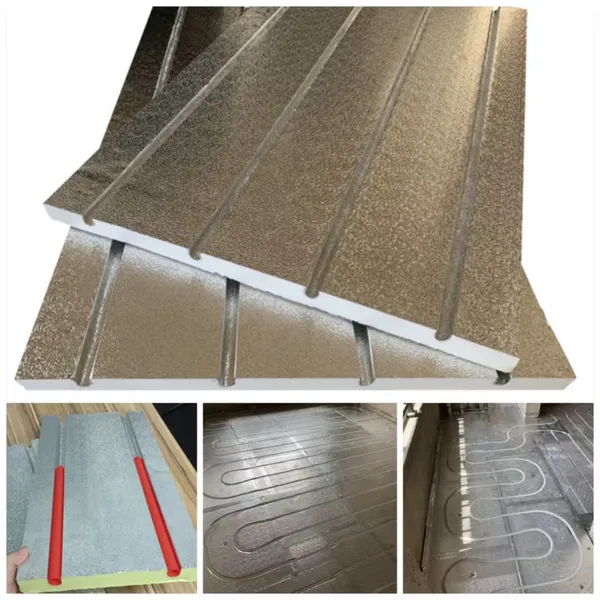
 Eco-Friendly Aluminum Foil Foam Board for Underfloor Heating SolutionsNegotiableMOQ: 100 Pieces
 -
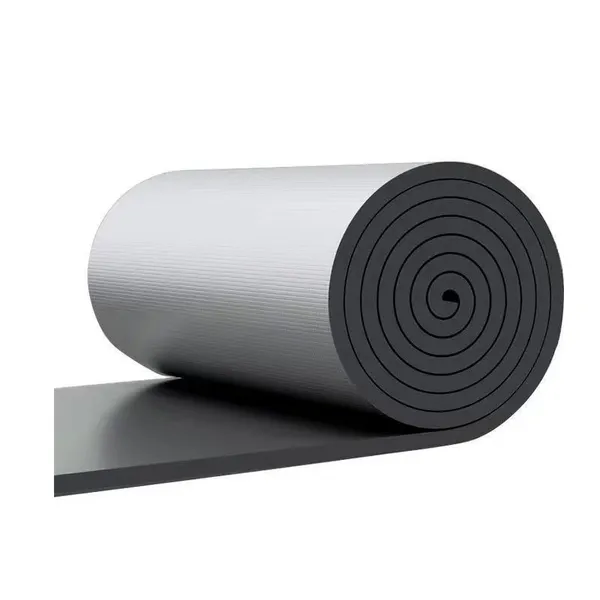
Rubber Plastic Insulation Board Waterproof for Industrial Thermal InsulationNegotiableMOQ: 500 Square Meters
-
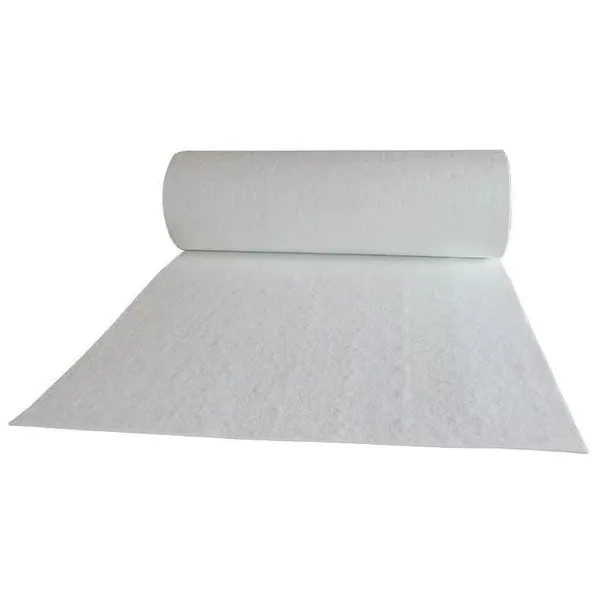
Premium Soft Silica Nano Aerogel Felt Sheets for Industrial Heat InsulationNegotiableMOQ: 50 Meters
-
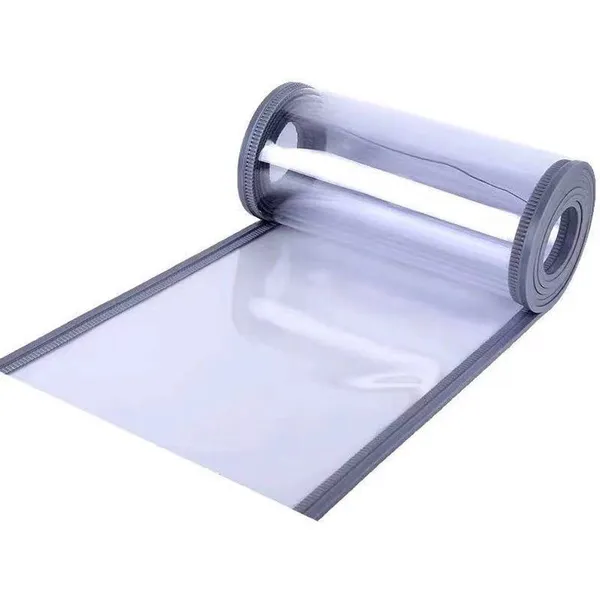
Customizable PVC Magnetic Door Curtain Roll for Home & Kitchen UseNegotiableMOQ: 500 Kilograms
-
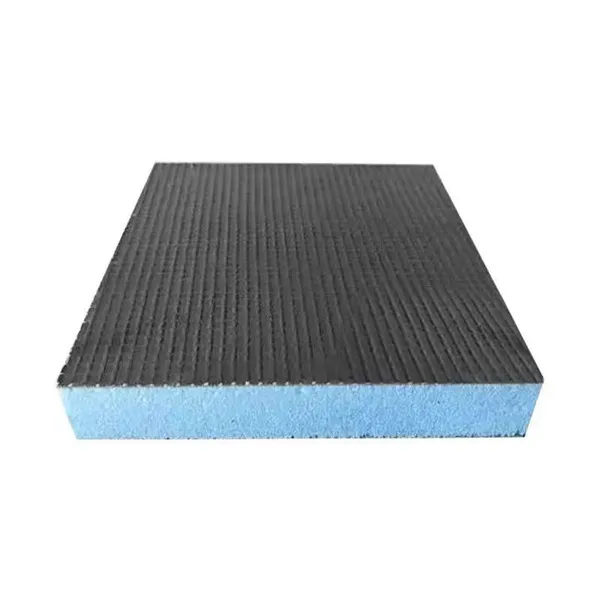
XPS Waterproof Board for Underground Garage Moisture BarrierNegotiableMOQ: 50 Square Meters
-
Heavy Duty Titanium Steel Mesh Magnetic Door Curtain With Reinforced EdgesNegotiableMOQ: 10 Pieces
-
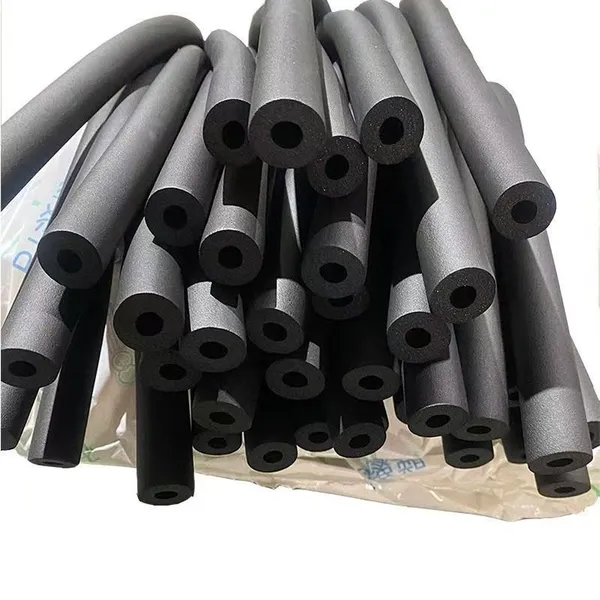
Rubber Plastic Insulation Tube for Refrigeration & Cold Storage PipelineNegotiableMOQ: 500 Square Meters
-
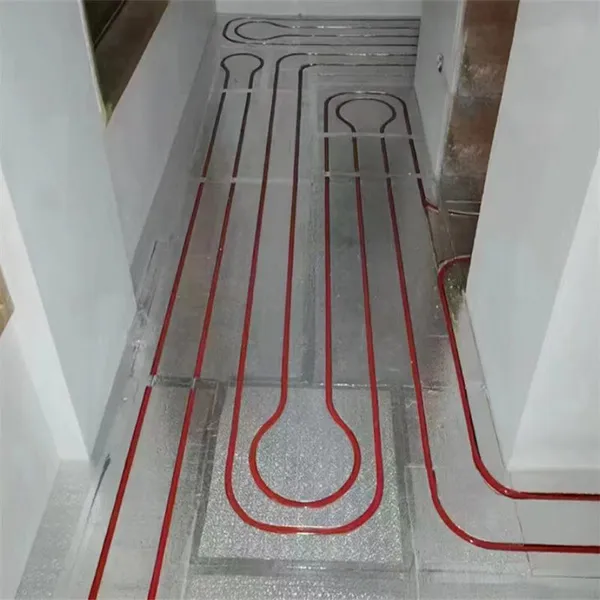
Durable Aluminum Dry Floor Heating Panel With High Thermal ConductivityNegotiableMOQ: 100 Pieces
-
Nano Aerogel Felt Insulation Material for Cold Protection and Energy EfficiencyNegotiableMOQ: 50 Meters
-
High-Temperature Nano Silica Aerogel Felt for Pipe Fire and Thermal InsulationNegotiableMOQ: 50 Meters
-
Insulated PVC Magnetic Door Curtain for Thermal Insulation in Bedroom & KitchenNegotiableMOQ: 500 Kilograms
-
Professional Aluminum Foil Foam Board for Dry Underfloor Heating SystemsNegotiableMOQ: 100 Pieces
-
Aluminum Underfloor Heating Module for Commercial and Residential UseNegotiableMOQ: 100 Pieces
-
XPS Waterproof Board 10mm Thickness for Roofing InsulationNegotiableMOQ: 50 Square Meters
-
Custom Size Titanium Steel Mesh Magnetic Door Curtain for Warehouse Pest ControlNegotiableMOQ: 10 Pieces
-
Flame Retardant Thermal Insulation Sponge for Rubber & Plastic Pipes - Fireproof Factory DirectNegotiableMOQ: 500 Square Meters
-
Cold Insulation Rubber Plastic Board for HVAC and Industrial Pipeline ApplicationsNegotiableMOQ: 500 Square Meters
-
20mm XPS Thermal Insulation Panel for Dry Underfloor Heating SystemsNegotiableMOQ: 100 Pieces
-
High Temperature Resistant Foam Insulation Tube for Air Conditioner DuctsNegotiableMOQ: 500 Meters
-
XPS Tile Backer Board Waterproof Insulation for Wall & BathroomNegotiableMOQ: 500 Square Meters