
 Business License

Rubber Insulation Sheet: Selection and Application Guide
Marcus Webb, a facilities manager at a logistics warehouse in Houston, noticed water pooling on the floor beneath a chilled air duct six months after a retrofit. The maintenance team had wrapped the ductwork with a rubber insulation sheet, but condensation was still forming at the seams. The sheet itself was the right material. The problem was the installation: the crew had used duct tape at the joints instead of the manufacturer's adhesive, and they had left the outdoor runs exposed to direct Texas sun. The repair cost $18,000 and taught Webb that a rubber insulation sheet is only as good as the specification and installation behind it.
If you are insulating ducts, vessels, or flat equipment surfaces, choosing the right rubber insulation sheet can mean the difference between a system that runs quietly for decades and one that drips, degrades, or fails inspection. This guide explains what rubber insulation sheets are, how they compare to other flat insulation materials, where to use them, and how to install them correctly.
At DaCheng BangMei, operating under Huaneng Zhongtian's 40-year manufacturing group, we produce rubber-plastic insulation boards and pre-formed pipe insulation tubes from closed-cell NBR/PVC foam. Our technical team supports specifiers and contractors with thickness calculations, condensation analysis, and certification documentation. This article draws on that experience to help you select and install rubber insulation sheets with confidence.
What Is a Rubber Insulation Sheet?
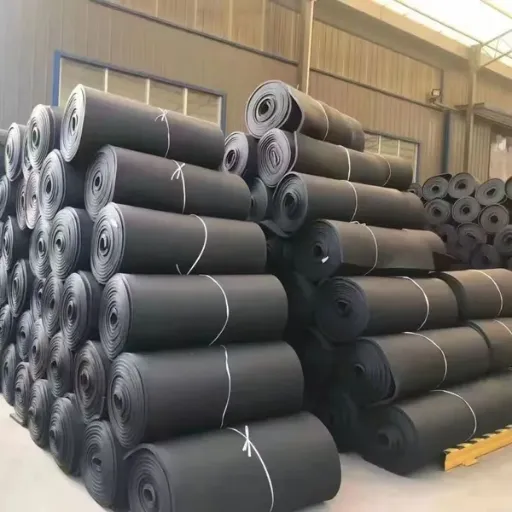
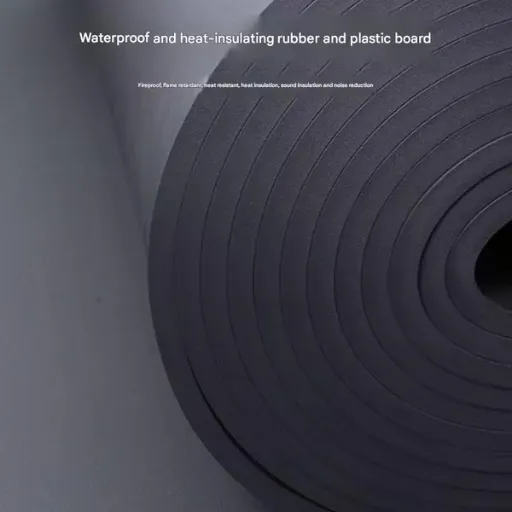
A rubber insulation sheet is a flat, flexible thermal insulation panel made from closed-cell elastomeric foam, typically based on nitrile butadiene rubber (NBR) and polyvinyl chloride (PVC). The material is manufactured through a foaming and vulcanization process that creates a uniform closed-cell structure. The result is a sheet that can be cut, wrapped, or adhered to flat and curved surfaces while resisting moisture, vapor transmission, and thermal loss.
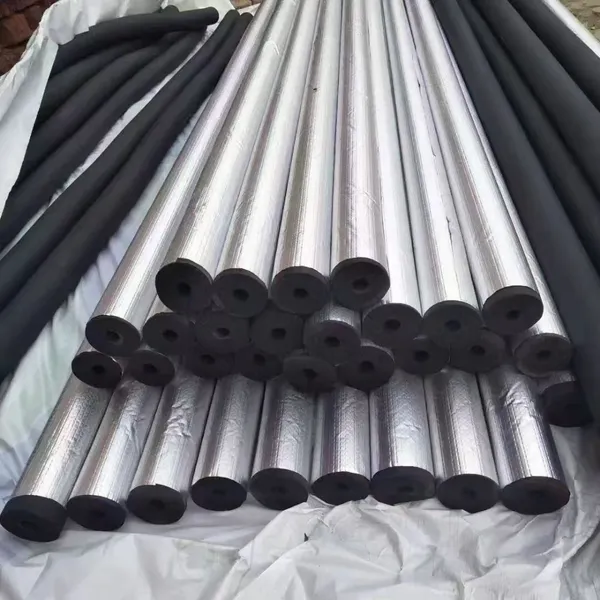
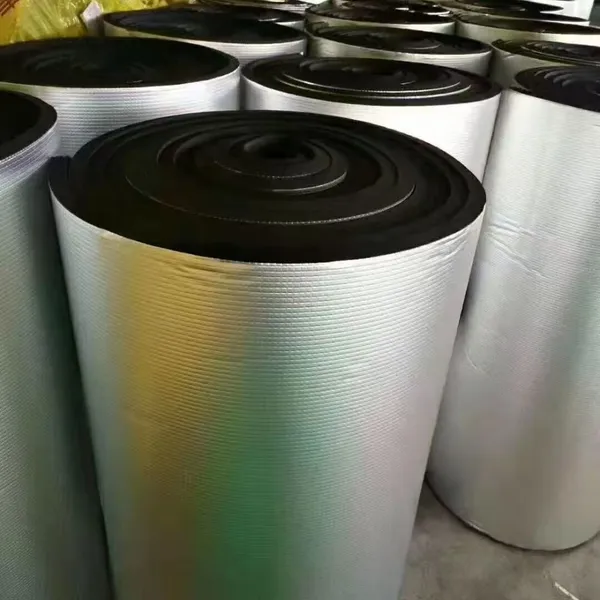
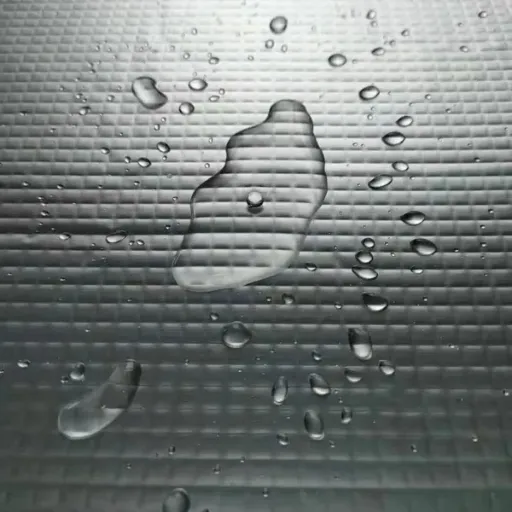
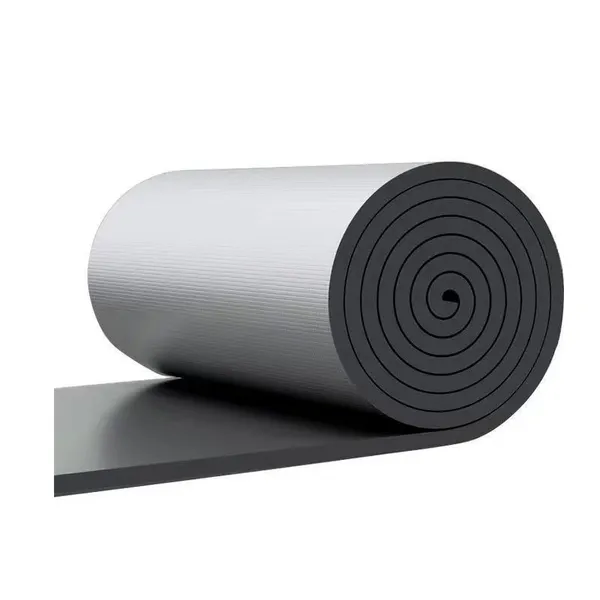
Rubber insulation sheets are supplied in standard rolls or panels with thicknesses ranging from 3 mm to 50 mm. Common facing options include plain black, aluminum foil, fiberglass cloth, and self-adhesive backing. The aluminum foil facing adds mechanical protection and reflects radiant heat. The self-adhesive backing simplifies installation on complex shapes where mechanical fastening is difficult.
The closed-cell structure is the defining feature. Unlike open-cell materials such as fiberglass or mineral wool, a rubber insulation sheet does not absorb water because each cell is sealed. This makes it particularly effective for cold surfaces where condensation control is critical. The NBR content provides oil and chemical resistance, while the PVC component contributes flexibility and flame-retardant properties.
Key Specifications of Rubber Insulation Sheets
| Property | Typical Value | Application Relevance |
|---|---|---|
| Thermal conductivity | 0.034-0.038 W/(m·K) | Low heat transfer for thin insulation buildups |
| Service temperature range | -40 degrees C to +105 degrees C | Covers chilled water, hot water, and HVAC ducts |
| Water vapor permeability | less-than or equal-to 1.3 ng/(Pa·s·m) | Prevents condensation and moisture absorption |
| Fire rating | Class B1 flame retardant (GB 8624) | Meets commercial building code requirements |
| Density | 40-80 kg/m3 | Lightweight and easy to handle on site |
| Compression resilience | greater-than or equal-to 70% | Recovers shape after mechanical loading |
| Closed-cell content | greater-than or equal-to 90% | Ensures long-term moisture resistance |
The combination of low thermal conductivity and high vapor resistance means a rubber insulation sheet can achieve the same thermal performance as thicker open-cell materials while adding an inherent moisture barrier. For retrofit projects where space is limited, this can be a decisive advantage.
Need help selecting the right sheet thickness for your ducts or equipment? Browse our rubber-plastic insulation boards or speak with our insulation engineers about condensation calculations for your climate and operating conditions.
Key Properties and Performance Data
Understanding how the properties of a rubber insulation sheet translate to field performance helps you justify the specification to project stakeholders and avoid costly mistakes.
Thermal Conductivity and Thickness Selection
Thermal conductivity for standard rubber insulation sheets ranges from 0.034 to 0.038 W/(m·K). This places it among the most efficient flexible insulation materials available for building services applications. For comparison, fiberglass board insulation typically ranges from 0.030 to 0.040 W/(m·K), while polyethylene foam is generally 0.040 to 0.050 W/(m·K).
The practical implication is that a 19 mm rubber insulation sheet can provide similar thermal resistance to a thicker fiberglass board in many HVAC applications. For chilled ducts operating at 10 degrees C in an ambient environment of 28 degrees C and 65% relative humidity, a 25 mm thickness typically keeps the outer surface above the dew point. Higher humidity or lower surface temperatures may require 32 mm or more.
DaCheng BangMei's rubber-plastic insulation sheets achieve thermal conductivity as low as 0.034 W/(m·K). This allows specifiers to reduce insulation thickness where space constraints are tight, such as mechanical rooms, ceiling plenums, or retrofit ductwork.
Water Vapor Permeability
Water vapor permeability measures how easily moisture passes through a material. A rubber insulation sheet achieves values of less-than or equal-to 1.3 ng/(Pa·s·m), which is significantly lower than fiberglass or mineral wool without an additional vapor barrier jacket. This inherent vapor resistance eliminates the need for a separate vapor retarder in many applications.
For cold ducts, tanks, and equipment, this property is essential. When the surface temperature falls below the dew point of the surrounding air, moisture condenses. Open-cell materials absorb this condensation and lose thermal performance. A rubber insulation sheet blocks vapor at the material surface, keeping the insulation dry and effective.
Flexibility and Conformability
Unlike rigid board insulations, a rubber insulation sheet can be wrapped around cylindrical tanks, curved ducts, and irregular equipment shapes without leaving gaps. The material can be stretched slightly around corners and adhered with contact adhesive to create a continuous insulation layer.
This flexibility reduces installation time on complex geometries. It also reduces the number of joints, which are the weakest points in any insulation system. Fewer joints mean fewer pathways for vapor ingress and air leakage.
Fire Performance
Standard rubber insulation sheets achieve Class B1 flame-retardant rating under GB 8624. The material self-extinguishes when the flame source is removed and produces low smoke emission. For projects requiring enhanced fire performance, premium grades such as the Starf 0-grade series offer improved flame retardancy with lower smoke density.
Always verify that the specific rubber insulation sheet grade meets the fire safety requirements of the local building code before specification. High-occupancy buildings, transit systems, and data centers may require additional fire testing documentation.
Rubber Insulation Sheet vs. Other Flat Insulation Materials
Specifiers often compare rubber insulation sheets with other flat insulation options. The following comparison provides the technical basis for selecting the right material.
| Property | Rubber Insulation Sheet (NBR/PVC) | Fiberglass Board | Polyethylene Foam | Mineral Wool Board |
|---|---|---|---|---|
| Thermal conductivity (W/(m·K)) | 0.034-0.038 | 0.030-0.040 | 0.040-0.050 | 0.035-0.045 |
| Moisture resistance | Excellent (closed-cell) | Poor without vapor barrier | Good (closed-cell) | Poor without vapor barrier |
| Flexibility | High | Low (rigid) | Moderate | Low (rigid) |
| Fire rating | Class B1 | Non-combustible A1 | Combustible | Non-combustible A1 |
| Vapor barrier required | No | Yes | No | Yes |
| Installation speed | Fast | Moderate | Fast | Moderate |
| Temperature range | -40 degrees C to +105 degrees C | -20 degrees C to +450 degrees C | -50 degrees C to +90 degrees C | Up to 650 degrees C |
| Cost | Moderate | Low | Low | Moderate |
| Best application | HVAC ducts, tanks, equipment | High-temperature surfaces | Budget residential | Industrial high-temp |
The comparison shows that a rubber insulation sheet is the right choice when moisture resistance, flexibility, and moderate temperature performance are required together. It is not suitable for high-temperature steam equipment where mineral wool or fiberglass is mandatory. It is superior to fiberglass for cold surfaces where condensation is a risk. It offers better fire performance than polyethylene foam while maintaining similar flexibility.
Elena Novak, an HVAC engineer in Prague, specified materials for a hospital renovation that included both ventilation ductwork and sterilization equipment. "For the autoclave steam lines at 140 degrees C, we used mineral wool boards because rubber could not handle the temperature," she explained. "For the chilled air ducts at 8 degrees C, the rubber insulation sheet was the clear choice. The contractor wrapped the ducts in one-third the time it would have taken with fiberglass board and vapor barrier. After 18 months of operation, we have had zero condensation complaints, and the facilities team reports a 9% reduction in cooling energy compared to the original fiberglass installation."
Applications for Rubber Insulation Sheets
The flat format and flexible nature of rubber insulation sheets make them suitable for a wide range of applications beyond cylindrical pipe insulation.
Ductwork Insulation
Rubber insulation sheets are widely used to insulate rectangular and round ductwork in commercial HVAC systems. The sheets can be applied to the exterior of ducts using adhesive or mechanical fasteners. For interior duct lining, verify that the material meets local air quality standards and does not contribute particles to the airstream.
The closed-cell structure prevents condensation on cold air supply ducts. This is critical in humid climates where sweating ducts can damage ceilings, promote mold growth, and reduce indoor air quality.
Chilled Water Tanks and Vessels
Flat and cylindrical tanks storing chilled water or other cold fluids benefit from rubber insulation sheets. The sheets can be cut to fit the tank geometry and adhered to the surface. A protective coating or metal jacket is typically applied over the insulation for outdoor tanks.
Air Handling Units and Fan Coil Units
The panels and casings of air handling units can be insulated with rubber insulation sheets to reduce thermal loss and prevent condensation. The flexibility of the material allows it to conform to the corners and access panels common in packaged HVAC equipment.
Refrigeration and Cold Storage Enclosures
Walk-in coolers, freezers, and refrigerated display cases often use rubber insulation sheets on walls, ceilings, and access doors. The material's low vapor permeability helps maintain the cold envelope without the need for a separate vapor barrier in many designs.
Industrial Equipment and Process Lines
Rubber insulation sheets protect pumps, valves, heat exchangers, and other equipment from energy loss and condensation. The oil resistance provided by the NBR content makes the material suitable for compressor housings and lubrication system components.
Sound and Vibration Damping
The cellular structure of a rubber insulation sheet provides acoustic damping in addition to thermal insulation. When applied to ductwork and mechanical equipment, it can reduce airborne noise and vibration transmission.
Installation Best Practices for Rubber Insulation Sheets
Proper installation ensures that a rubber insulation sheet delivers its full performance over the intended service life. The process is straightforward, but attention to detail matters.
Surface Preparation
The substrate must be clean, dry, and free of oil, dust, or loose material. A clean surface ensures proper adhesive bonding and prevents contamination that could reduce insulation effectiveness. For metal ducts and tanks, wipe the surface with a clean cloth before application.
Measuring and Cutting
Measure the surface and cut the rubber insulation sheet to size with a sharp utility knife or insulation saw. For straight duct runs, cut sheets slightly oversized to ensure compression at joints. For curved surfaces, cut segments that can be overlapped slightly to eliminate gaps.
When cutting around penetrations such as pipe supports or gauges, cut the opening slightly smaller than the penetration. The flexibility of the material allows it to seal tightly around the object.
Adhesive Application
Use a contact adhesive specifically formulated for elastomeric foam insulation. General-purpose construction adhesives may attack the foam or fail to create a lasting bond. Apply adhesive thinly and evenly to both the sheet backing and the substrate.
Allow the adhesive to become tacky before joining the surfaces. Press firmly along the entire surface to eliminate air pockets and ensure full contact. Apply adhesive to all seams, overlaps, and cut edges.
Sealing Joints and Seams
Joints are the most vulnerable part of any insulation system. Seal all longitudinal seams, butt joints, and overlaps with matching insulation tape or additional adhesive. For high-humidity or critical applications, apply a vapor-barrier mastic over the seams for added protection.
Protective Finishing
For outdoor installations, protect the rubber insulation sheet from UV degradation with aluminum cladding, PVC jacketing, or UV-resistant paint. Standard NBR/PVC foam is not UV-stable and will crack and harden after prolonged sun exposure.
For mechanical protection in high-traffic areas, add a metal or PVC jacket over the insulation. This prevents physical damage from maintenance activities and extends the service life of the insulation.
Inspection
After installation, inspect all seams, overlaps, and penetrations for gaps or inadequate adhesion. A thermal imaging camera can identify cold spots that indicate air gaps or compressed insulation. Correct any deficiencies before the system operates.
Common Mistakes to Avoid
Even experienced installers make errors that compromise the performance of a rubber insulation sheet.
Undersizing Insulation Thickness
The most common specification mistake is selecting thickness based on thermal performance alone without calculating condensation control. A thin rubber insulation sheet may provide adequate thermal resistance for a warm surface but fail to prevent condensation on a cold surface in a humid environment.
Thomas Lindberg, a project engineer in Singapore, learned this lesson on a data center cooling project. The original specification called for 13 mm rubber insulation sheets on chilled water tanks based on thermal calculations. "Singapore humidity stays around 80% year-round," Lindberg explained. "The 13 mm kept the surface at 22 degrees C, below the dew point for most of the day. We were seeing condensation on the tank roofs within the first month. We upgraded to 32 mm sheets, and the surface temperature rose above the dew point. The upgrade paid for itself in 11 months through avoided water damage and reduced cooling load."
Always calculate thickness based on the lowest surface temperature, highest ambient humidity, and worst-case ambient temperature for the installation location.
Using Incompatible Adhesives
Solvent-based adhesives containing toluene, xylene, or MEK can dissolve NBR/PVC foam. Always use adhesives labeled for elastomeric or rubber foam insulation. Test the adhesive on a scrap piece if there is any uncertainty.
Ignoring UV and Weather Exposure
Standard rubber insulation sheets degrade quickly under direct sunlight. Outdoor installations without proper cladding or UV-resistant coating will crack within months. Always specify protective finishing for outdoor or exposed applications.
Poor Joint Sealing
A perfectly installed sheet with poorly sealed seams will allow vapor infiltration that compromises the entire insulation system. Take extra time to seal all joints completely. Apply tape over critical seams for added security.
Compressing the Insulation at Supports
At pipe hangers, duct supports, and equipment mounts, use insulated saddles or blocks to prevent compression of the rubber insulation sheet. Compressed insulation creates a thermal bridge that can cause localized condensation and energy loss.
Conclusion
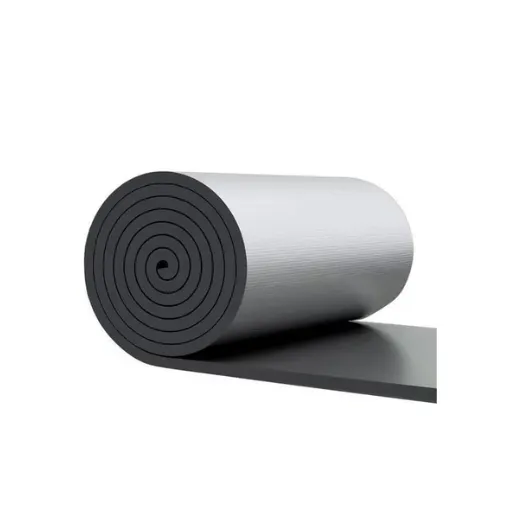
A rubber insulation sheet is a practical choice for insulating ducts, tanks, equipment, and cold storage surfaces where moisture resistance and flexibility are required alongside thermal performance. Its closed-cell structure prevents the condensation problems that degrade open-cell materials, while its flexibility reduces installation time and labor cost on complex geometries.
When specifying a rubber insulation sheet, match the thickness to both thermal and condensation requirements. Verify temperature ratings for the specific application. Use compatible adhesives and seal all joints properly. Protect outdoor installations from UV degradation.
Key takeaways:
A rubber insulation sheet provides inherent moisture resistance through its closed-cell NBR/PVC structure
Thermal conductivity of 0.034-0.038 W/(m·K) delivers efficient insulation with relatively thin material buildup
Flexibility and conformability make it ideal for ducts, tanks, and irregular equipment shapes
Class B1 flame-retardant rating meets code requirements for most commercial buildings
Always calculate insulation thickness based on condensation control, not just thermal performance
Proper adhesive selection, joint sealing, and UV protection are critical to long-term performance
If you are specifying a rubber insulation sheet for an upcoming HVAC, refrigeration, or industrial project, our technical team can calculate the optimal thickness for your operating temperatures and climate conditions. We can also provide U-value calculations, condensation risk analysis, and certification documentation for code compliance.
Recently Posted
-
Insulation for Metal Buildings: Complete Buyer's Guide 2026
June 24, 2026A warehouse manager in Texas watched his electricity bill climb every summer. The metal roof turned the building into a solar oven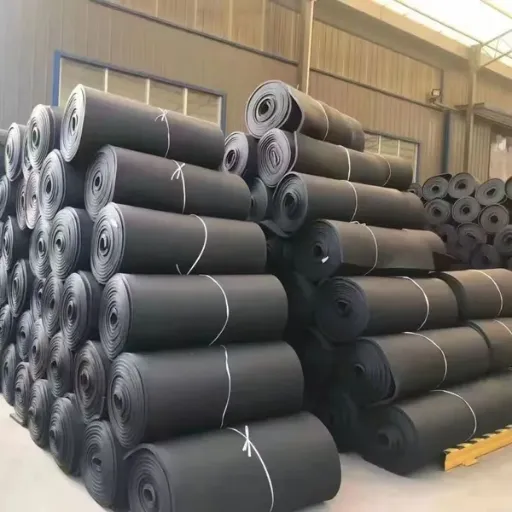 Read More
 -
Insulation Materials Comparison: How to Select the Right Type for Your Project
June 24, 2026The procurement manager stared at six quotations on her screen. Each supplier recommended a different insulation material for the Read More
 -
Thermal Conductivity of Insulation Materials: A Specifier's Guide
June 24, 2026Ahmed Hassan spent three weeks reconciling quotes for a cold storage expansion in Dubai. One supplier quoted 80 mm rubber-plastic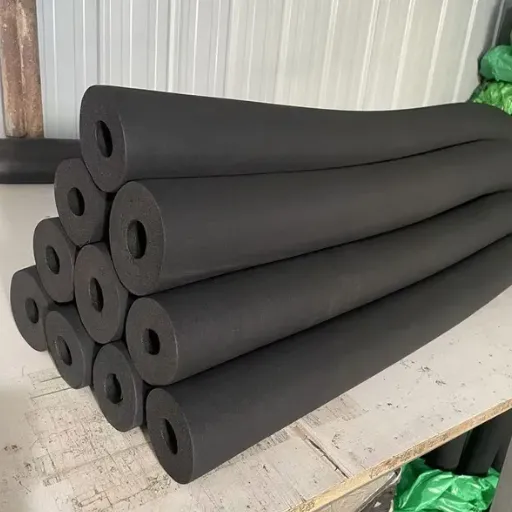 Read More
 -
Basement Insulation Board: Complete Buyer's Guide | DaCheng BangMei
June 24, 2026A homeowner in Michigan finished their basement with standard fiberglass batts and drywall. Two winters later, the bottom plates w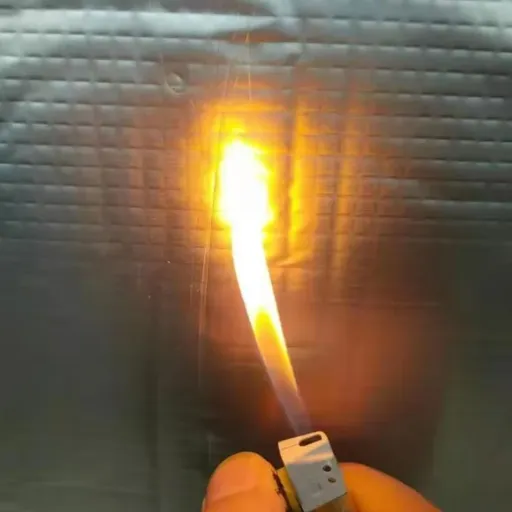 Read More

Contact Us
Recommended Products
-
 Eco-Friendly Aluminum Foil Foam Board for Underfloor Heating SolutionsNegotiableMOQ: 100 Pieces
 -
Rubber Plastic Insulation Board Waterproof for Industrial Thermal InsulationNegotiableMOQ: 500 Square Meters
-
Premium Soft Silica Nano Aerogel Felt Sheets for Industrial Heat InsulationNegotiableMOQ: 50 Meters
-
Customizable PVC Magnetic Door Curtain Roll for Home & Kitchen UseNegotiableMOQ: 500 Kilograms
-
XPS Waterproof Board for Underground Garage Moisture BarrierNegotiableMOQ: 50 Square Meters
-
Heavy Duty Titanium Steel Mesh Magnetic Door Curtain With Reinforced EdgesNegotiableMOQ: 10 Pieces
-
Rubber Plastic Insulation Tube for Refrigeration & Cold Storage PipelineNegotiableMOQ: 500 Square Meters
-
Durable Aluminum Dry Floor Heating Panel With High Thermal ConductivityNegotiableMOQ: 100 Pieces
-
Nano Aerogel Felt Insulation Material for Cold Protection and Energy EfficiencyNegotiableMOQ: 50 Meters
-
High-Temperature Nano Silica Aerogel Felt for Pipe Fire and Thermal InsulationNegotiableMOQ: 50 Meters
-
Insulated PVC Magnetic Door Curtain for Thermal Insulation in Bedroom & KitchenNegotiableMOQ: 500 Kilograms
-
Professional Aluminum Foil Foam Board for Dry Underfloor Heating SystemsNegotiableMOQ: 100 Pieces
-
Aluminum Underfloor Heating Module for Commercial and Residential UseNegotiableMOQ: 100 Pieces
-
XPS Waterproof Board 10mm Thickness for Roofing InsulationNegotiableMOQ: 50 Square Meters
-
Custom Size Titanium Steel Mesh Magnetic Door Curtain for Warehouse Pest ControlNegotiableMOQ: 10 Pieces
-
Flame Retardant Thermal Insulation Sponge for Rubber & Plastic Pipes - Fireproof Factory DirectNegotiableMOQ: 500 Square Meters
-
Cold Insulation Rubber Plastic Board for HVAC and Industrial Pipeline ApplicationsNegotiableMOQ: 500 Square Meters
-
20mm XPS Thermal Insulation Panel for Dry Underfloor Heating SystemsNegotiableMOQ: 100 Pieces
-
High Temperature Resistant Foam Insulation Tube for Air Conditioner DuctsNegotiableMOQ: 500 Meters
-
XPS Tile Backer Board Waterproof Insulation for Wall & BathroomNegotiableMOQ: 500 Square Meters