
 Business License

High Temperature Insulation Blanket: How to Choose the Right Material for Furnaces, Boilers, and Ind
In 2019, a maintenance manager at a steel plant in Indonesia replaced a worn furnace lining with a generic insulation blanket rated only to 800°C. Within eight months, the material sintered, shrank, and exposed the steel shell to temperatures it was never designed to handle. The emergency shutdown cost the plant four days of production.
If you specify insulation for furnaces, boilers, exhaust ducts, or process equipment, you know that "high temperature" means different things in different applications. A blanket that works at 300°C may fail completely at 1,000°C. The right high temperature insulation blanket depends on maximum service temperature, thermal conductivity, mechanical stress, and chemical environment.
In this guide, you'll learn how high temperature insulation blankets are classified, which materials perform best at different temperature ranges, and how to match the right product to your industrial application. We'll also look at installation practices that protect performance over a long service life.
At DaCheng BangMei, operating under Huaneng Zhongtian's 40-year insulation manufacturing group, we supply industrial insulation materials to power plants, petrochemical facilities, and heavy industry across 35+ countries. Here's what our engineers look for when specifying high temperature insulation blankets.
What Is a High Temperature Insulation Blanket?
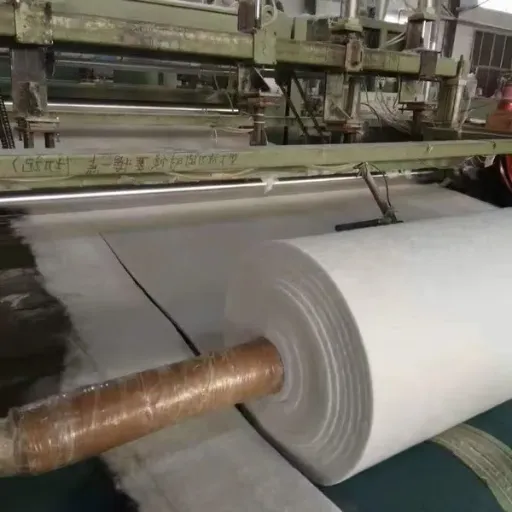
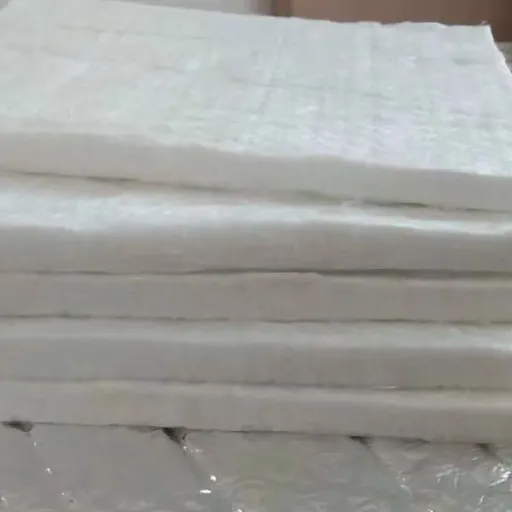
A high temperature insulation blanket is a flexible or semi-rigid sheet of insulating fibers designed to reduce heat loss, protect personnel, and maintain process temperatures in equipment that operates above ambient conditions. These blankets are used in industrial equipment, furnaces, boilers, exhaust systems, and high-temperature ductwork.
Unlike rigid boards or pre-formed pipe sections, blankets can be wrapped around curved surfaces, cut to fit irregular geometries, and layered to achieve the required thickness. This makes them useful for retrofit work, temporary repairs, and equipment with complex shapes.
High temperature insulation blankets are typically made from one of three fiber types:
Rock wool / mineral wool blankets: Service temperatures up to 650°C, non-combustible
Ceramic fiber blankets: Service temperatures up to 1,260°C or higher, lightweight
Aerogel blankets: Ultra-low thermal conductivity, thinner profile, moderate temperature limits
Each material has a different balance of temperature resistance, thermal conductivity, mechanical durability, and cost. The key is matching the blanket to the actual operating conditions rather than simply choosing the highest temperature rating available.
Want a broader comparison of industrial insulation types? Read our guide on industrial insulation materials for power plants, petrochemical facilities, and process equipment.
Temperature Ranges and Material Selection
The first question in selecting a high temperature insulation blanket is also the simplest: how hot does the surface get?
Up to 650°C: Rock Wool / Mineral Wool Blankets
Rock wool blankets are the workhorse of industrial insulation in the moderate-to-high temperature range. They are made from molten basalt and recycled slag spun into fibers, then bonded and needled into flexible blankets.
| Property | Rock Wool Blanket |
|---|---|
| Maximum service temperature | 650°C |
| Thermal conductivity | 0.035–0.045 W/(m·K) at 100°C |
| Fire rating | Non-combustible A1 |
| Density range | 60–160 kg/m³ |
| Typical thickness | 25–100 mm |
Rock wool is ideal for industrial boilers, steam pipes, exhaust ducts, and equipment where the surface temperature stays below 650°C. It also provides acoustic damping and is non-combustible, which matters for fire safety in enclosed plant rooms.
At DaCheng BangMei, our rock wool insulation blankets are produced at densities from 60 to 160 kg/m³ and can be supplied with aluminum foil, wire mesh, or fiberglass cloth facing for mechanical protection and moisture resistance.
650°C to 1,260°C: Ceramic Fiber Blankets
Ceramic fiber blankets, also called refractory ceramic fiber (RCF) blankets, are made from alumina-silica fibers. They are lighter than rock wool and can withstand significantly higher temperatures.
| Property | Ceramic Fiber Blanket |
|---|---|
| Maximum service temperature | 1,260°C (standard grades) |
| Thermal conductivity | 0.08–0.25 W/(m·K) at 400–1,000°C |
| Fire rating | Non-combustible |
| Density range | 64–160 kg/m³ |
| Typical thickness | 13–50 mm |
Ceramic fiber blankets are commonly used for furnace linings, kiln cars, heat treatment equipment, and high-temperature ductwork. Their low thermal mass also allows faster heat-up and cool-down cycles, which can reduce energy use in batch processes.
However, ceramic fibers are more brittle than rock wool and have lower mechanical strength. They also require careful handling during installation because airborne fibers can be irritating to skin and lungs.
Up to 650°C With Thinner Profiles: Aerogel Blankets
Nano aerogel insulation blankets offer the lowest thermal conductivity of any flexible insulation material. They are often used where space is limited but thermal performance is critical.
| Property | Aerogel Blanket |
|---|---|
| Maximum service temperature | 650°C (typical) |
| Thermal conductivity | 0.015–0.020 W/(m·K) at room temperature |
| Fire rating | Varies by encapsulation |
| Density range | 180–250 kg/m³ |
| Typical thickness | 3–10 mm per layer |
Aerogel blankets are increasingly used in petrochemical pipelines, LNG systems, and space-constrained industrial equipment. A 6 mm aerogel blanket can match the thermal performance of a 25 mm rock wool blanket, though at a higher material cost.
Not sure which temperature range applies to your equipment? Speak with our insulation engineer for a free specification review.
Key Performance Properties Beyond Temperature Rating
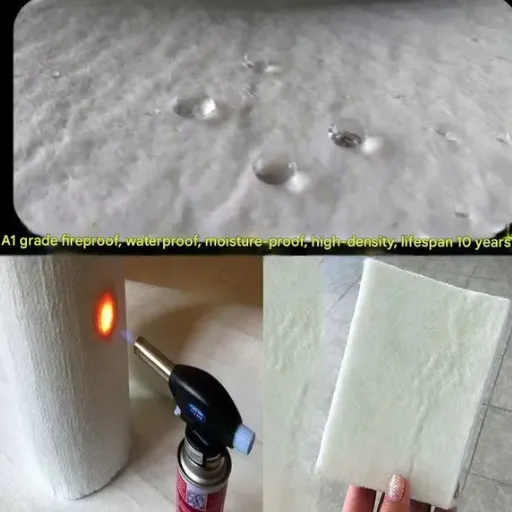
Maximum service temperature is only the starting point. A complete specification should also consider thermal conductivity, density, compression resistance, and chemical compatibility.
Thermal Conductivity
Thermal conductivity measures how easily heat flows through the material. Lower values mean better insulation. For high temperature blankets, manufacturers usually report conductivity at multiple mean temperatures because performance changes as the material heats up.
At 100°C, a good rock wool blanket might have a thermal conductivity of 0.040 W/(m·K). At 400°C, the same material might read 0.070 W/(m·K). Always request conductivity data across the full operating range, not just at room temperature.
Density and Compression Resistance
Higher density generally improves mechanical durability and acoustic performance, but it also increases weight and cost. For blankets installed on vertical walls or ceilings, density affects sagging over time.
Light-duty blankets (60–80 kg/m³): Suitable for horizontal surfaces and low-vibration environments
Medium-duty blankets (100–120 kg/m³): Good for vertical ducts and boiler walls
Heavy-duty blankets (140–160 kg/m³): Needed for high-vibration equipment, traffic areas, and applications with mechanical fastening stress
Chemical Compatibility
Some industrial environments expose insulation blankets to acids, alkalis, or high humidity. Rock wool is generally resistant to most chemicals but can degrade in strong acids. Ceramic fiber can be attacked by fluorides and phosphates at high temperature.
If the insulation will be exposed to chemical vapors, washdowns, or corrosive atmospheres, specify a facing or coating that protects the fibers. Aluminum foil, fiberglass cloth, and stainless steel mesh are common options.
Common Applications for High Temperature Insulation Blankets
High temperature insulation blankets are used across a wide range of industries and equipment types. The right specification depends on both temperature and operating conditions.
Industrial Furnaces and Kilns
Furnace linings are one of the most demanding applications. The hot face may see temperatures above 1,000°C, while the cold face must stay cool enough to protect the steel shell and surrounding structure.
For these applications, ceramic fiber blankets are often used as the hot-face insulation layer, sometimes backed by rock wool or calcium silicate board for additional thermal resistance and compression strength.
Boilers and Steam Systems
Boiler casings, steam drums, and header pipes typically operate between 150°C and 600°C. Rock wool blankets are the standard choice because they combine good thermal performance, non-combustibility, and cost efficiency.
For outdoor boilers or humid environments, a water-repellent facing helps prevent moisture absorption, which would degrade thermal performance and accelerate corrosion of the underlying metal.
Exhaust and Flue Ducts
High-temperature exhaust gases place significant thermal stress on ductwork. Rock wool blankets handle most industrial exhaust applications up to 650°C. For higher temperatures, such as gas turbine exhaust or incinerator flues, ceramic fiber blankets may be required.
In 2021, a power plant contractor in Vietnam wrapped a 520°C flue gas duct with 80 mm rock wool blanket and an aluminum-clad outer facing. The system reduced surface temperature from 220°C to 55°C, bringing it within safe personnel-contact limits and cutting heat loss by an estimated 35%.
Petrochemical and Refinery Equipment
Refineries use high temperature insulation blankets on heaters, crackers, and transfer lines. These applications often require materials that withstand both high temperature and chemical exposure. Ceramic fiber blankets with stainless steel mesh facing are common, though aerogel blankets are increasingly used for their space-saving advantage on congested pipe racks.
Installation Practices That Affect Long-Term Performance
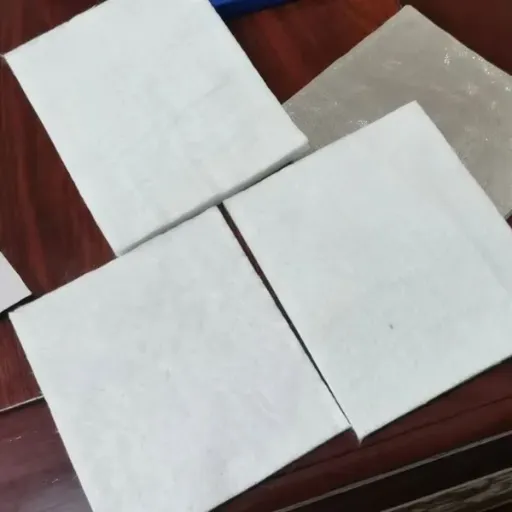
Even the best high temperature insulation blanket will underperform if installed incorrectly. Field installation quality directly affects thermal performance, durability, and safety.
Surface Preparation
The substrate must be clean, dry, and free of oil, rust, and loose scale. On hot equipment, insulation should be installed during a planned shutdown to allow proper fitting and fastening.
Layering and Offset Joints
For multi-layer installations, stagger the seams between layers. This prevents heat from bypassing the insulation through aligned joints. Each layer should be installed tightly against the previous one with no gaps.
Mechanical Fastening
Blankets must be secured with appropriate pins, clips, bands, or wire mesh. On vertical surfaces, use insulation pins with washers to prevent sagging. On ducts and cylindrical equipment, stainless steel banding at regular intervals holds the blanket in place.
Protective Facing
A facing protects the insulation from mechanical damage, moisture, and air erosion. Common facings include:
Aluminum foil: Reflects radiant heat, provides moisture barrier
Fiberglass cloth: Durable, breathable, high-temperature resistant
Stainless steel mesh: Heavy mechanical protection for harsh environments
Thermal Expansion Joints
Large equipment expands and contracts with temperature cycles. Insulation systems must include expansion joints or segmented sections to prevent cracking, buckling, or compression failure over time.
How DaCheng BangMei Supports High Temperature Insulation Specification
Specifying the right high temperature insulation blanket means balancing temperature rating, thermal conductivity, mechanical demands, and total installed cost. At DaCheng BangMei, we help industrial buyers and engineers navigate these choices with:
Material selection support: Rock wool, ceramic fiber, and aerogel blankets for temperatures from ambient to 1,260°C
Custom dimensions and facings: Blankets cut to size and finished with aluminum foil, fiberglass cloth, or wire mesh
Thermal calculations: Heat loss, surface temperature, and insulation thickness analysis for your equipment
Certification documentation: ISO9001, ISO14001, OHSAS18001, and FM Global certification support
Export logistics: Sea freight packaging, container loading, and documentation for 35+ countries
Our Huaneng Zhongtian manufacturing base produces 100,000 tons of rock wool annually, including blankets, boards, and pipe sections. For high-temperature applications beyond 650°C, we work with certified partners to supply ceramic fiber and aerogel solutions that meet international standards.
For a refinery expansion project in Southeast Asia, our team supplied 120 kg/m³ rock wool blankets with stainless steel wire mesh facing for boiler and duct insulation up to 600°C. We also provided ceramic fiber backup layers for areas where surface temperatures exceeded 650°C during upset conditions. The combined specification met the client's heat-loss targets while staying within the mechanical installation budget.
Ready to specify high temperature insulation for your project? Request a custom quote and our technical team will review your operating temperatures, equipment geometry, and code requirements.
Conclusion
A high temperature insulation blanket is not a one-size-fits-all product. The right choice depends on the actual maximum temperature, thermal conductivity needs, mechanical environment, and chemical exposure of your application.
Key takeaways:
Rock wool blankets handle temperatures up to 650°C and are the standard choice for boilers, ducts, and industrial equipment.
Ceramic fiber blankets extend service temperature to 1,260°C and are used for furnace linings and high-temperature process equipment.
Aerogel blankets offer the best thermal performance in the thinnest profile, ideal for space-constrained applications up to 650°C.
Request thermal conductivity data across the full temperature range, not just at ambient conditions.
Installation quality matters. Stagger joints, use proper fastening, and specify the right facing for the environment.
If you're planning an industrial insulation project and need help selecting the right high temperature insulation blanket, our engineers are available to review your specifications. We'll help you match the material to the operating conditions and deliver consistent, certified quality to your job site.
Recently Posted
-
Insulation for Metal Buildings: Complete Buyer's Guide 2026
June 24, 2026A warehouse manager in Texas watched his electricity bill climb every summer. The metal roof turned the building into a solar oven Read More
 -
Insulation Materials Comparison: How to Select the Right Type for Your Project
June 24, 2026The procurement manager stared at six quotations on her screen. Each supplier recommended a different insulation material for the Read More
 -
Thermal Conductivity of Insulation Materials: A Specifier's Guide
June 24, 2026Ahmed Hassan spent three weeks reconciling quotes for a cold storage expansion in Dubai. One supplier quoted 80 mm rubber-plastic Read More
 -
Basement Insulation Board: Complete Buyer's Guide | DaCheng BangMei
June 24, 2026A homeowner in Michigan finished their basement with standard fiberglass batts and drywall. Two winters later, the bottom plates w Read More

Contact Us
Recommended Products
-
 Eco-Friendly Aluminum Foil Foam Board for Underfloor Heating SolutionsNegotiableMOQ: 100 Pieces
 -
Rubber Plastic Insulation Board Waterproof for Industrial Thermal InsulationNegotiableMOQ: 500 Square Meters
-
Premium Soft Silica Nano Aerogel Felt Sheets for Industrial Heat InsulationNegotiableMOQ: 50 Meters
-
Customizable PVC Magnetic Door Curtain Roll for Home & Kitchen UseNegotiableMOQ: 500 Kilograms
-
XPS Waterproof Board for Underground Garage Moisture BarrierNegotiableMOQ: 50 Square Meters
-
Heavy Duty Titanium Steel Mesh Magnetic Door Curtain With Reinforced EdgesNegotiableMOQ: 10 Pieces
-
Rubber Plastic Insulation Tube for Refrigeration & Cold Storage PipelineNegotiableMOQ: 500 Square Meters
-
Durable Aluminum Dry Floor Heating Panel With High Thermal ConductivityNegotiableMOQ: 100 Pieces
-
Nano Aerogel Felt Insulation Material for Cold Protection and Energy EfficiencyNegotiableMOQ: 50 Meters
-
High-Temperature Nano Silica Aerogel Felt for Pipe Fire and Thermal InsulationNegotiableMOQ: 50 Meters
-
Insulated PVC Magnetic Door Curtain for Thermal Insulation in Bedroom & KitchenNegotiableMOQ: 500 Kilograms
-
Professional Aluminum Foil Foam Board for Dry Underfloor Heating SystemsNegotiableMOQ: 100 Pieces
-
Aluminum Underfloor Heating Module for Commercial and Residential UseNegotiableMOQ: 100 Pieces
-
XPS Waterproof Board 10mm Thickness for Roofing InsulationNegotiableMOQ: 50 Square Meters
-
Custom Size Titanium Steel Mesh Magnetic Door Curtain for Warehouse Pest ControlNegotiableMOQ: 10 Pieces
-
Flame Retardant Thermal Insulation Sponge for Rubber & Plastic Pipes - Fireproof Factory DirectNegotiableMOQ: 500 Square Meters
-
Cold Insulation Rubber Plastic Board for HVAC and Industrial Pipeline ApplicationsNegotiableMOQ: 500 Square Meters
-
20mm XPS Thermal Insulation Panel for Dry Underfloor Heating SystemsNegotiableMOQ: 100 Pieces
-
High Temperature Resistant Foam Insulation Tube for Air Conditioner DuctsNegotiableMOQ: 500 Meters
-
XPS Tile Backer Board Waterproof Insulation for Wall & BathroomNegotiableMOQ: 500 Square Meters