
 Business License

Insulation Board for Concrete Floor: A Specifier's Guide
Tom Brennan watched the screed crack across the warehouse floor only eight months after handover. The insulation board for concrete floor beneath the slab had been specified by an architect who chose the lowest thermal conductivity value without checking compressive strength. Forklifts rolling over the floor compressed the EPS boards, causing differential settlement that telegraphed through the concrete. The repair cost the developer €127,000 and six weeks of lost rent.
Choosing the right insulation board for concrete floor is not only about keeping heat in. Under a slab, the board must support the building load, resist ground moisture, and maintain thermal performance for decades while buried in soil. The wrong specification can cause structural movement, thermal bridging, and energy loss that are expensive and disruptive to fix.
This guide explains which insulation board for concrete floor works below or above the slab, how to compare compressive strength and thermal conductivity, where each type performs best, and how to avoid the specification mistakes that lead to failure.
At DaCheng BangMei, operating under Huaneng Zhongtian's 40-year manufacturing group, we produce XPS extruded polystyrene insulation boards and rock wool boards for floor, foundation, and industrial applications. Our technical team provides load-bearing calculations, thermal modeling, and specification support for projects worldwide.
What Is an Insulation Board for Concrete Floor?
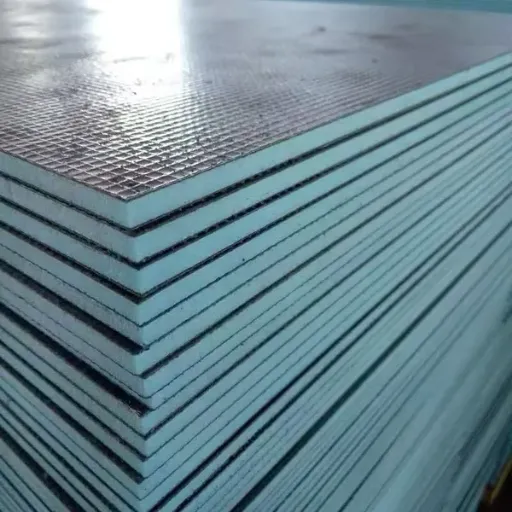
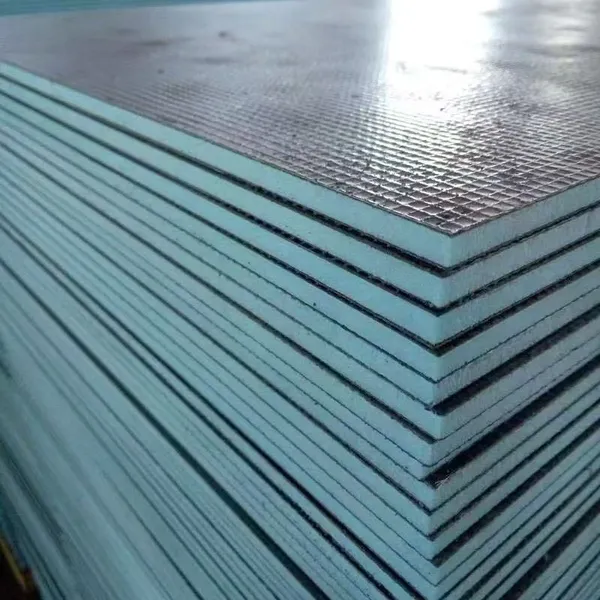
An insulation board for concrete floor is a rigid thermal insulation panel installed either beneath a ground-bearing slab, within a suspended floor, or on top of an existing concrete floor before a screed or finish layer. The board reduces heat loss to the ground, improves energy efficiency, and helps meet building code requirements for floor U-values.
Unlike wall or roof insulation, a thermal insulation board for floors must often support structural loads. In ground floors, this under slab insulation board sits below the concrete slab and carries the weight of the slab plus any imposed loads from occupancy, storage, or vehicle traffic. In industrial floors, it may need to support point loads from racking systems or forklift wheels. This makes compressive strength one of the most important selection criteria.
The board must also resist moisture from the ground. Even with a damp-proof membrane, a concrete floor insulation board can remain damp for long periods. Materials that absorb water lose thermal performance and can degrade over time. Closed-cell materials with low water absorption are therefore preferred for below-slab applications.
Where Floor Insulation Boards Are Used
Beneath ground-bearing concrete slabs in residential and commercial buildings
Under industrial floors subject to vehicle traffic and heavy loading
Within suspended concrete floors between beams or joists
Above existing concrete floors as part of a retrofit buildup
Below refrigerated floor slabs to prevent frost heave and heat gain
Under heated floor systems to direct heat upward into the occupied space
Need help selecting an insulation board for concrete floor with the right compressive strength for your load conditions? Speak with our insulation engineers about load calculations or download our XPS technical data sheets.
Key Properties to Compare
Specifying an insulation board for concrete floor requires balancing several properties. No single material is best for every situation.
Thermal Conductivity
Thermal conductivity, measured in W/(m·K), indicates how easily heat passes through the material. Lower values mean better insulation. For floor applications, common values range from 0.024 W/(m·K) for PIR to 0.035 W/(m·K) for XPS and 0.040 W/(m·K) for rock wool.
The required thickness depends on the target U-value, the ground conditions, and the perimeter-to-area ratio of the floor. A lower thermal conductivity allows a thinner board for the same performance, which can reduce excavation depth in new builds.
Compressive Strength
Compressive strength measures the material's ability to resist deformation under load, typically expressed in kPa. For residential ground floors, 150-200 kPa is usually sufficient. For commercial and industrial floors, 300-700 kPa may be required. Point loads from racking legs or forklift wheels require careful calculation because they create higher stress concentrations than distributed loads.
XPS boards are available with compressive strengths from 150 kPa to over 700 kPa. Rock wool boards suitable for floors typically range from 40 kPa to 100 kPa, making them more appropriate for suspended floors or light-load applications.
Water Absorption and Moisture Resistance
Below-slab insulation must resist ground moisture. Closed-cell materials such as XPS and PIR absorb little water even when exposed to damp soil. Open-cell or fibrous materials such as rock wool and fiberglass require protection from moisture and are rarely used directly below ground-bearing slabs.
Long-term water absorption is a critical specification. Some materials may perform well when dry but lose 30-50% of their thermal efficiency when wet. Always request long-term water absorption test data, not just initial values.
Dimensional Stability
Floor insulation boards must maintain their dimensions over decades of service. Temperature cycling, moisture exposure, and creep under sustained load can cause some materials to shrink, expand, or settle. XPS and extruded polystyrene generally offer excellent dimensional stability. Polyisocyanurate can degrade if exposed to high temperatures during installation or if moisture penetrates the facings.
Fire Performance
While fire performance is less critical for buried floor insulation than for wall or roof insulation, it still matters. Building codes may require specific fire ratings for exposed floor soffits or for insulation in parking garages and service areas. Rock wool offers the best fire performance (A1 non-combustible), while XPS and PIR are combustible and may require separation from occupied spaces.
Types of Insulation Board for Concrete Floor
The following table compares the most common under slab insulation board options for concrete floor applications.
| Material | Thermal Conductivity | Compressive Strength | Water Absorption | Best Application | Limitations |
|---|---|---|---|---|---|
| XPS (Extruded Polystyrene) | 0.030-0.038 W/(m·K) | 150-700 kPa | Very low | Ground-bearing slabs, industrial floors, perimeter insulation | Combustible, requires fire detailing |
| EPS (Expanded Polystyrene) | 0.030-0.040 W/(m·K) | 70-300 kPa | Low to moderate | Residential ground floors, light commercial | Lower compressive strength than XPS |
| PIR (Polyisocyanurate) | 0.022-0.028 W/(m·K) | 100-200 kPa | Low with foil facing | Suspended floors, retrofit floors where thin insulation matters | Lower load-bearing capacity, fire concerns |
| Rock Wool | 0.036-0.045 W/(m·K) | 40-100 kPa | Hydrophobic treatments available | Suspended floors, fire-rated floors, acoustic control | Not suitable for ground-bearing slabs without protection |
| Phenolic Foam | 0.018-0.024 W/(m·K) | 100-150 kPa | Low with facing | Space-constrained floors | Higher cost, limited availability |
| Spray Foam (PU) | 0.024-0.030 W/(m·K) | Variable | Low | Irregular surfaces, complex geometries | Requires skilled installation, variable quality |
The most common choice for below-slab concrete floors is XPS because it combines good thermal performance with high compressive strength and low water absorption. This insulation board for concrete floor remains dimensionally stable under the heavy loads typical of ground-bearing slabs. PIR is often chosen where space is limited and loads are light. Rock wool is used where fire performance or acoustic insulation is the priority.
Sarah Okafor, a structural engineer in Lagos, specified floor insulation for a pharmaceutical warehouse that needed both high load capacity and moisture resistance. "We compared XPS and EPS for the ground slab," she said. "The EPS had a lower unit price, but the compressive strength was only 100 kPa. We needed 300 kPa minimum for the forklift traffic. We selected XPS at 300 kPa with long-term water absorption below 0.7%. After two years of operation, floor level surveys show no settlement, and the client reports cooling energy is down 14% compared to the older warehouse they replaced."
XPS Floor Insulation vs. Other Floor Insulation Boards
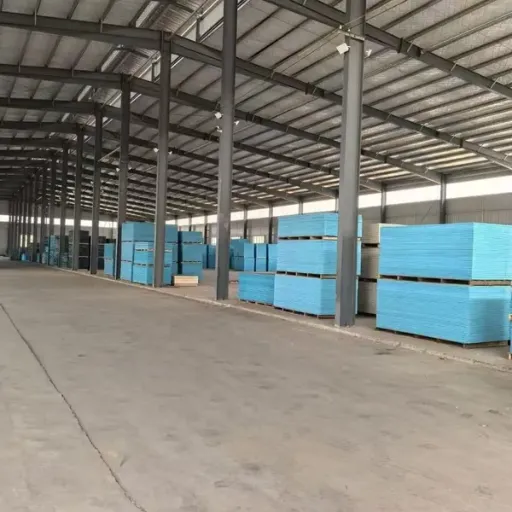
XPS floor insulation deserves special attention because it is the most widely specified high compressive strength insulation board for concrete floor in ground-bearing and industrial applications.
XPS Advantages for Concrete Floors
XPS is manufactured through an extrusion process that creates a closed-cell structure with continuous skin surfaces. This structure gives XPS several advantages for floor applications:
High compressive strength, up to 700 kPa in standard grades
Very low water absorption, typically below 1% by volume even after long-term submersion
Consistent thermal conductivity across the service life
Good dimensional stability under load and temperature cycling
Resistance to soil chemicals and biological degradation
Availability in large boards that reduce installation joints
DaCheng BangMei XPS boards are produced with compressive strengths ranging from 150 kPa to 700 kPa and thermal conductivity as low as 0.030 W/(m·K). Boards can be supplied with shiplap edges, tongue-and-groove joints, or flat edges depending on the installation method.
When EPS Makes Sense
EPS is lower in cost than XPS and provides similar thermal conductivity when dry. It is suitable for residential ground floors with light loading where cost is a primary concern. However, EPS has lower compressive strength and higher water absorption than XPS. For commercial or industrial floors, or where ground conditions are damp, XPS is the safer choice.
When PIR Makes Sense
PIR offers the best thermal conductivity of the common board materials, allowing thinner buildups. It is often used in retrofit floors where headroom is limited or in suspended floors where loads are moderate. PIR is not generally suitable for direct ground-bearing slabs under heavy loads due to lower compressive strength.
When Rock Wool Makes Sense
Rock wool is non-combustible and provides acoustic insulation in addition to thermal performance. It is used in suspended floors, separating floors between occupancies, and any floor assembly where fire rating is required. Rock wool is not typically used below ground-bearing slabs because it can absorb moisture unless fully protected.
Installation Best Practices
Proper installation of a high compressive strength insulation board is essential to achieve the design thermal performance and prevent long-term problems.
Below-Slab Installation
Prepare the subgrade to the specified levels and compaction. Soft or uneven ground will cause differential settlement regardless of the insulation quality.
Install a blinding layer of lean concrete or sand to create a level surface.
Place the damp-proof membrane according to the project specification.
Lay the insulation boards tightly together, staggering joints where multiple layers are used.
Protect the boards from damage during reinforcement and concrete placement.
Pour the concrete slab on top of the insulation.
Above-Slab Installation
Clean the concrete surface and repair any defects.
Install a separating layer or damp-proof membrane if required.
Lay the insulation boards in a bonded or floating arrangement depending on the floor system.
Install a screed or finish layer over the insulation.
Ensure perimeter expansion joints are provided to accommodate movement.
Thermal Bridging at Edges and Penetrations
The perimeter of a ground floor is where most heat loss occurs. Insulation should extend to the foundation wall or be connected to perimeter insulation to create a continuous thermal envelope. Penetrations for pipes, ducts, and columns must be sealed to prevent heat loss and moisture ingress.
Protection During Construction
Floor insulation boards can be damaged by heavy traffic, dropped materials, and exposure to UV or rain. Protect high compressive strength insulation boards during storage and installation. XPS can generally support light foot traffic but should be protected from concentrated loads before the slab is placed.
Common Mistakes to Avoid
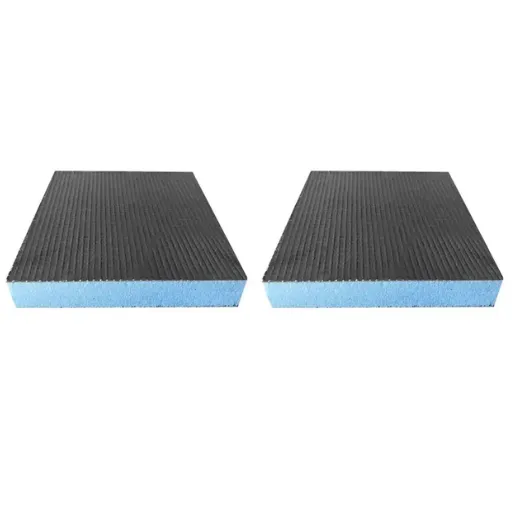
Even experienced specifiers make errors when selecting a thermal insulation board for floors.
Ignoring Compressive Strength
The most common mistake is selecting a concrete floor insulation board based on thermal conductivity alone. A board with excellent thermal performance but insufficient compressive strength will compress under load, causing settlement, cracking, and loss of thermal performance. Always calculate the actual loads, including point loads and dynamic loads from vehicles.
Marcus Jensen, a facilities manager in Copenhagen, learned this lesson on a cold storage expansion. "The design specified PIR boards under the freezer slab for their low thermal conductivity," he explained. "What nobody checked was the racking load. The rack legs created point loads of 45 kN each on a 50 mm PIR board rated at 120 kPa. Within six months, we had indentations in the floor surface and the freezer was using 18% more electricity. We had to cut out the slab, replace the PIR with 200 kPa XPS, and re-lay the concrete. The total cost was more than double what proper XPS from the start would have cost."
Underestimating Moisture Exposure
Ground moisture is predictable but often underestimated. Boards that absorb water lose insulating value and can degrade. Always specify boards with proven long-term water absorption performance for below-slab use. Provide a damp-proof membrane where required by code.
Inadequate Edge Insulation
Heat loss at the exposed edges of ground floors can account for a significant portion of total floor heat loss. Skipping edge insulation or using a thinner board at the perimeter creates a thermal bridge that undermines the center-of-floor U-value.
Poor Joint Sealing
Gaps between boards allow air movement and heat loss. Boards should be laid tightly together, and joints in multi-layer systems should be staggered. Tape or sealant may be required for exposed applications.
Specifying the Wrong Product for the Load
Residential products are not suitable for industrial loads. Always match the insulation board for concrete floor grade to the application. Check the manufacturer's declared compressive strength at 10% deformation and confirm it exceeds the calculated design load with an appropriate safety factor.
Neglecting Fire Requirements
In parking garages, service areas, and some commercial buildings, exposed insulation must meet fire rating requirements. Specify non-combustible rock wool or protected XPS/PIR systems where required.
Conclusion
An insulation board for concrete floor must do more than reduce heat loss. It must support the building loads, resist ground moisture, maintain dimensional stability, and meet fire and acoustic requirements where applicable. XPS is the most common choice for ground-bearing and industrial floors due to its high compressive strength and low water absorption. This makes XPS floor insulation the default solution for specifiers who need reliable long-term performance under load.
Successful specification of an insulation board for concrete floor starts with understanding the loads, the ground conditions, and the required thermal performance. Thermal conductivity alone should never drive the decision. Compressive strength, moisture resistance, and long-term durability are equally important.
Key takeaways:
An insulation board for concrete floor must support structural loads, not just insulate
XPS offers the best balance of compressive strength, moisture resistance, and thermal performance for most ground-bearing floors
Compressive strength must account for distributed loads, point loads, and dynamic loads
Moisture resistance is critical for below-slab applications; closed-cell materials perform best
PIR concrete floor insulation boards suit space-constrained retrofits; rock wool suits fire-rated and acoustic floors
Edge insulation and joint detailing are essential for achieving the design U-value
If you are specifying an insulation board for concrete floor on a commercial, industrial, or residential project, our technical team can help you calculate the required compressive strength, select the appropriate XPS grade, and provide full certification documentation. We supply XPS boards and rock wool boards from our 225,000 m² manufacturing base with export support to 35+ countries.
Recently Posted
-
Insulation for Metal Buildings: Complete Buyer's Guide 2026
June 24, 2026A warehouse manager in Texas watched his electricity bill climb every summer. The metal roof turned the building into a solar oven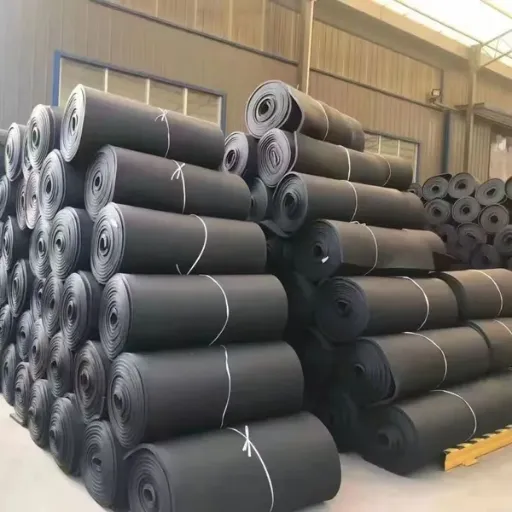 Read More
 -
Insulation Materials Comparison: How to Select the Right Type for Your Project
June 24, 2026The procurement manager stared at six quotations on her screen. Each supplier recommended a different insulation material for the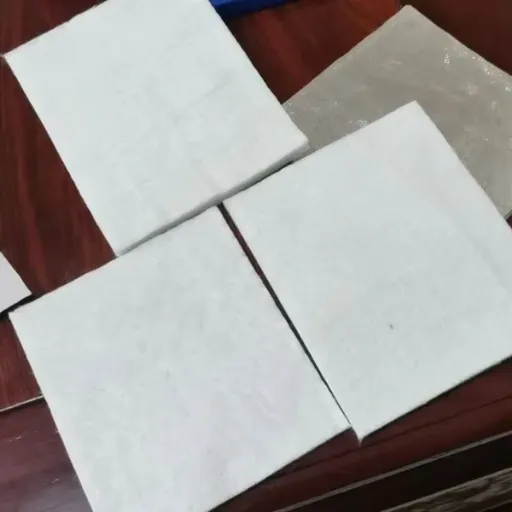 Read More
 -
Thermal Conductivity of Insulation Materials: A Specifier's Guide
June 24, 2026Ahmed Hassan spent three weeks reconciling quotes for a cold storage expansion in Dubai. One supplier quoted 80 mm rubber-plastic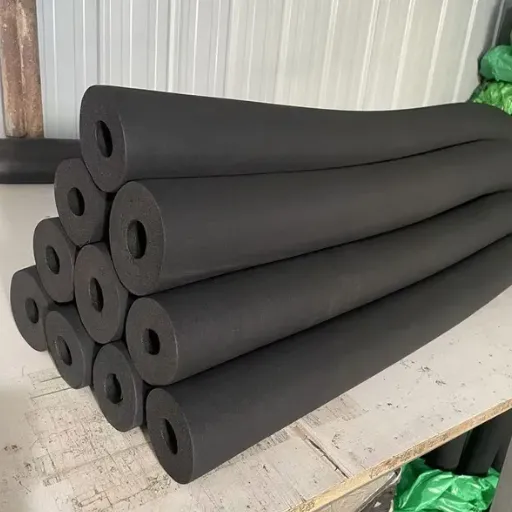 Read More
 -
Basement Insulation Board: Complete Buyer's Guide | DaCheng BangMei
June 24, 2026A homeowner in Michigan finished their basement with standard fiberglass batts and drywall. Two winters later, the bottom plates w Read More

Contact Us
Recommended Products
-
 Eco-Friendly Aluminum Foil Foam Board for Underfloor Heating SolutionsNegotiableMOQ: 100 Pieces
 -
Rubber Plastic Insulation Board Waterproof for Industrial Thermal InsulationNegotiableMOQ: 500 Square Meters
-
Premium Soft Silica Nano Aerogel Felt Sheets for Industrial Heat InsulationNegotiableMOQ: 50 Meters
-
Customizable PVC Magnetic Door Curtain Roll for Home & Kitchen UseNegotiableMOQ: 500 Kilograms
-
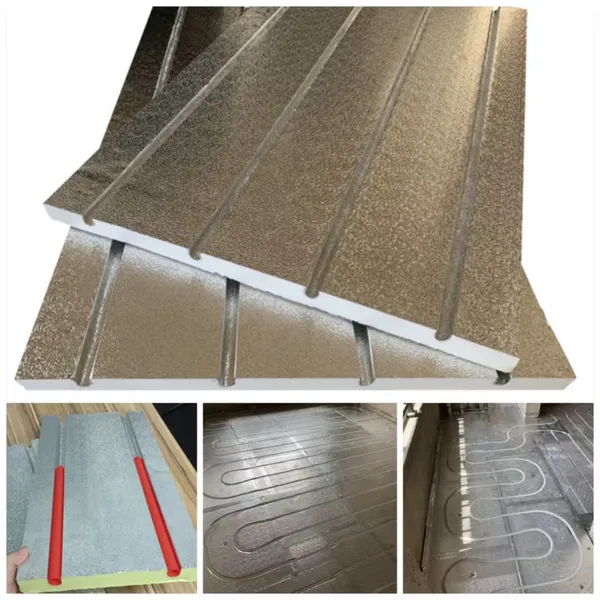
XPS Waterproof Board for Underground Garage Moisture BarrierNegotiableMOQ: 50 Square Meters
-
Heavy Duty Titanium Steel Mesh Magnetic Door Curtain With Reinforced EdgesNegotiableMOQ: 10 Pieces
-
Rubber Plastic Insulation Tube for Refrigeration & Cold Storage PipelineNegotiableMOQ: 500 Square Meters
-
Durable Aluminum Dry Floor Heating Panel With High Thermal ConductivityNegotiableMOQ: 100 Pieces
-
Nano Aerogel Felt Insulation Material for Cold Protection and Energy EfficiencyNegotiableMOQ: 50 Meters
-
High-Temperature Nano Silica Aerogel Felt for Pipe Fire and Thermal InsulationNegotiableMOQ: 50 Meters
-
Insulated PVC Magnetic Door Curtain for Thermal Insulation in Bedroom & KitchenNegotiableMOQ: 500 Kilograms
-
Professional Aluminum Foil Foam Board for Dry Underfloor Heating SystemsNegotiableMOQ: 100 Pieces
-
Aluminum Underfloor Heating Module for Commercial and Residential UseNegotiableMOQ: 100 Pieces
-
XPS Waterproof Board 10mm Thickness for Roofing InsulationNegotiableMOQ: 50 Square Meters
-
Custom Size Titanium Steel Mesh Magnetic Door Curtain for Warehouse Pest ControlNegotiableMOQ: 10 Pieces
-
Flame Retardant Thermal Insulation Sponge for Rubber & Plastic Pipes - Fireproof Factory DirectNegotiableMOQ: 500 Square Meters
-
Cold Insulation Rubber Plastic Board for HVAC and Industrial Pipeline ApplicationsNegotiableMOQ: 500 Square Meters
-
20mm XPS Thermal Insulation Panel for Dry Underfloor Heating SystemsNegotiableMOQ: 100 Pieces
-
High Temperature Resistant Foam Insulation Tube for Air Conditioner DuctsNegotiableMOQ: 500 Meters
-
XPS Tile Backer Board Waterproof Insulation for Wall & BathroomNegotiableMOQ: 500 Square Meters